In today’s digital age, prolonged screen time has become inevitable, making eye care more crucial than ever. While taking breaks and adjusting screen settings help, a diet rich in eye-protecting nutrients plays a vital role in maintaining vision health.
First, leafy greens like spinach and kale are packed with lutein and zeaxanthin, antioxidants that filter harmful blue light and reduce the risk of macular degeneration. These compounds act as a natural "sunscreen" for the eyes, shielding them from screen-induced damage.
Next, colorful vegetables such as carrots and sweet potatoes are rich in beta-carotene, which the body converts into vitamin A—a key nutrient for preventing night blindness and dry eyes. Berries, especially blueberries and strawberries, offer anthocyanins that improve blood circulation in the eyes, reducing eye strain.
Don’t forget omega-3 fatty acids from fish like salmon or flaxseeds. They support retinal function and alleviate dryness, a common issue for frequent computer users. Additionally, nuts and seeds provide vitamin E, which protects eye cells from oxidative stress.
Incorporating these foods into your diet, paired with regular screen breaks, can significantly alleviate digital eye fatigue. Nourish your eyes naturally, and they’ll thank you for years to come.
 Fish rice"
 Clear the soup and lamb"
 It's sharp"
 Animals holding almond cookies"
 Strawberry Dafu"
 Dragonfish steaming fans"
 Spicy pelvis"
 Onion fried the rabbit"
 Cabbage with goose legs"
 Pumpkin rolls"
 Dry shrimp"
 Salted pineapple"
 Porridge of rice with green bean goose sausages"
 Steamed eggs from celery leaves"
 Spaghetti peas"
 Cleaning up cattle nest bones"
 I'll bet you that"
 Fish dumplings"
 Plum sauce"
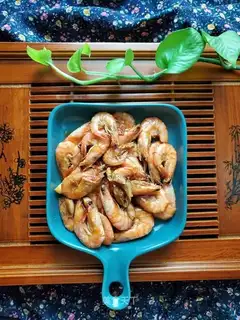 Shrimp"
 A groceries"
 Pumpkin"
 The radishes"
 Too soft-hearted cocoa cake"
 Black soy"
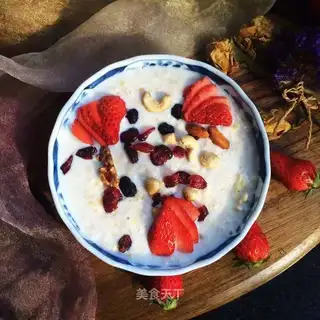 Milk oatmeal bowl"
 Steam beef"
 The sea cucumbers"
 Slurp cake"
 I don't know"
 Pineapple rice"
 Holy fruit"
 Homemade Virgin jam"
 Sausage and black wood"
 Oily fragrance"
 Homemade groundfish"
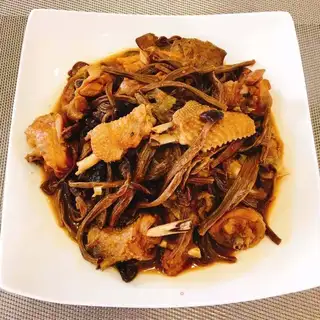 Chicken stew mushrooms"
 Carrot soup"
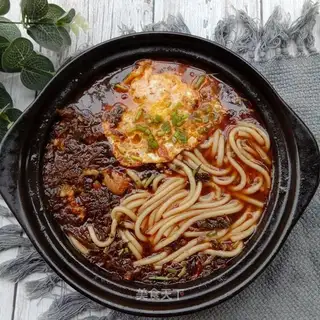 Powder rice"
 Garlic paste"