Steaming is a timeless cooking technique that preserves nutrients, enhances natural flavors, and requires minimal oil. Mastering this method opens a world of healthy, vibrant dishes. Here’s a basic guide to get you started.
Vegetables are the easiest entry point. Trim broccoli, carrots, or bell peppers into uniform pieces, then steam for 5–8 minutes until crisp-tender. For extra flavor, toss with a drizzle of olive oil, garlic, or lemon juice post-steaming.
Seafood shines when steamed. Fish fillets, such as salmon or cod, cook in 10–12 minutes with a sprinkle of soy sauce, ginger, and scallions. Shrimp turn pink in just 3–4 minutes, ideal for a light appetizer.
Proteins like chicken or tofu benefit from marination. Coat bite-sized chicken pieces in a mix of soy sauce, sesame oil, and pepper, then steam for 15–20 minutes. Firm tofu, pressed and cubed, absorbs flavors beautifully when steamed with garlic and herbs.
Desserts are a delightful surprise. Steamed custards, made with eggs, milk, and sugar, set in 15 minutes. Mochi, a sweet rice cake, becomes chewy and soft when steamed, often filled with red bean paste or fruit.
The key to perfect steaming is even heat distribution. Use a bamboo steamer for texture or a metal colander over a pot. Always ensure water simmers, not boils vigorously, to prevent overcooking. With practice, steaming becomes a versatile, healthy way to enjoy meals at their freshest.
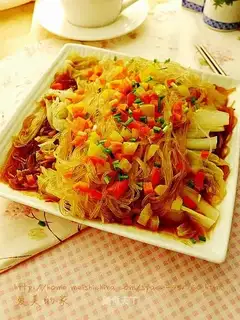 Steamed cabbage with garlic vermicelli"
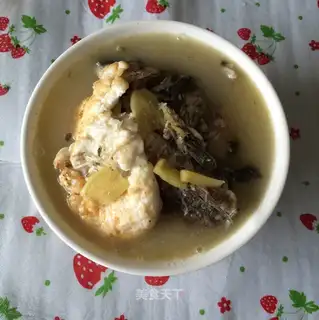 Squid egg soup"
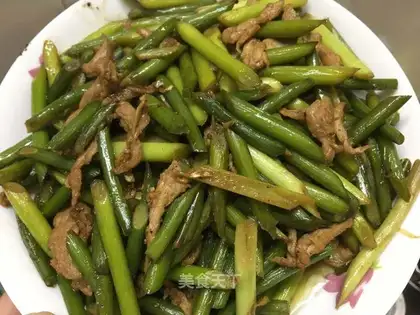 Garlic fried meat"
 I'm sorry"
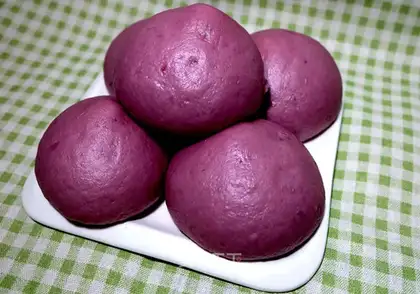 Potato buns"
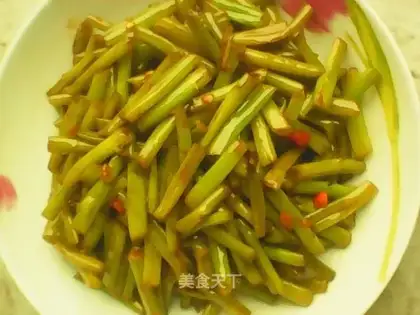 Sour emptiness"
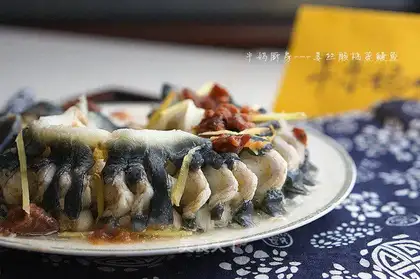 Gingersulate eel"
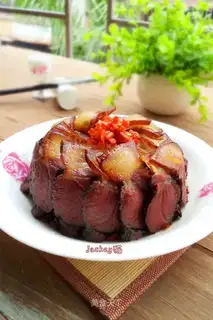 Salt gravy"
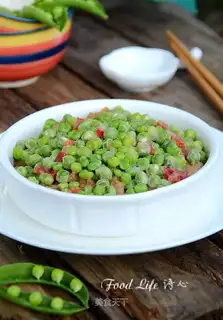 Ventilated peas"
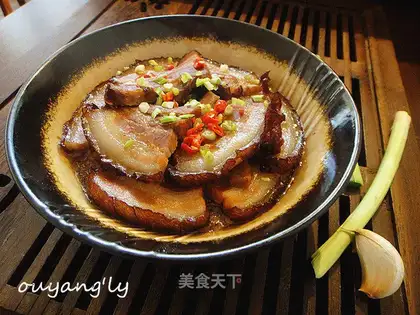 Plumsy saffron"
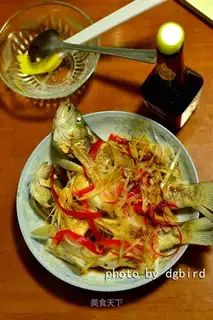 Vacuate herring"
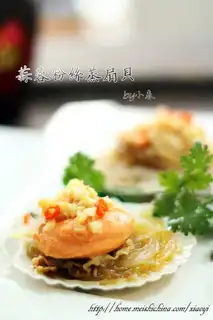 Garlic fan sap"
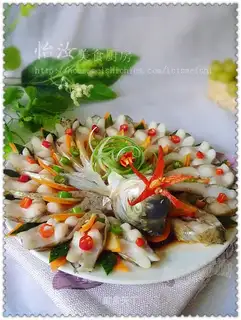 Peacock Opens Fish"
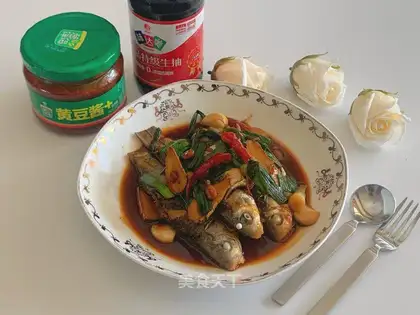 Creamfish"
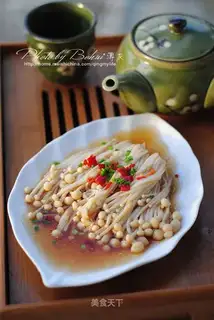 A pepper-stealing needle mushroom"
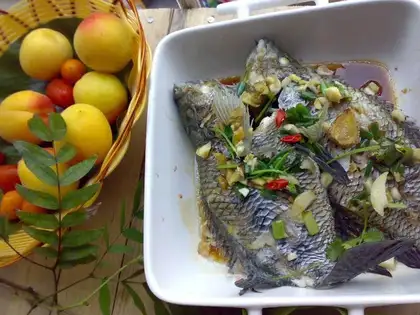 Steamed ginger and shallot with small flower spots"
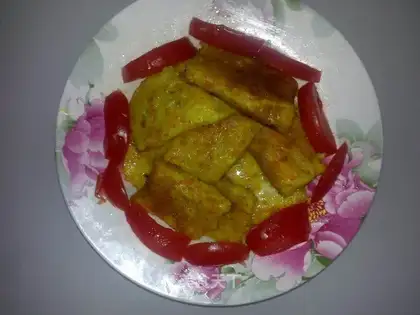 Egg carrot cake"
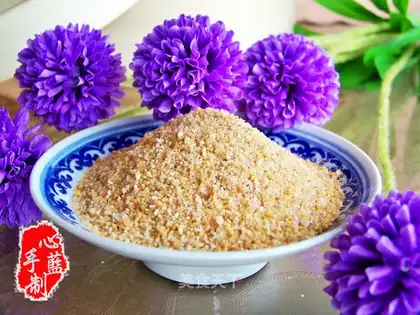 Special five-spice steamed pork flour"
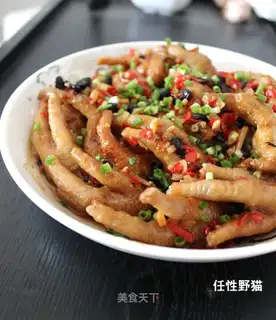 Steamed chicken feet with black bean sauce"
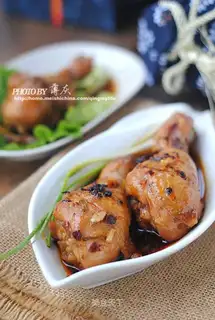 Steamed chicken legs with black bean sauce"
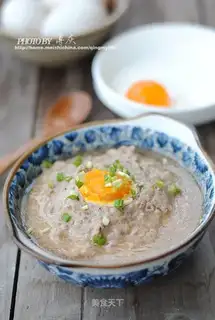 Steamed patty with salted egg yellow"
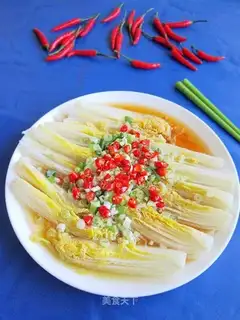 ♪ Golden and silver garlic veggie ♪"
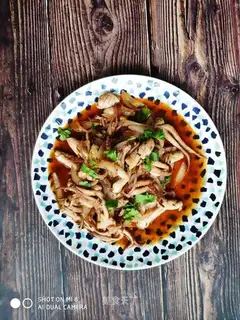 Barbecue squid"
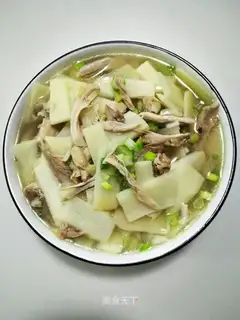 Chicken Juice"
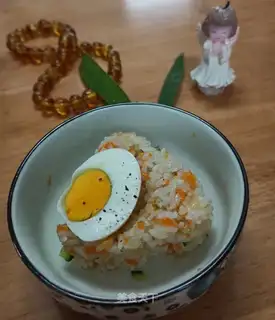 Carrot fried eggs"
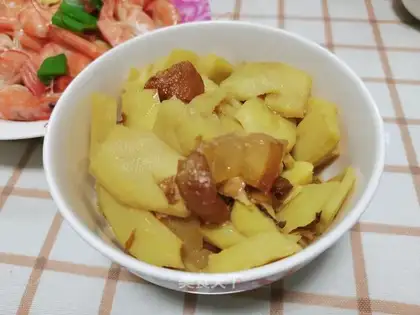 The meat burns"
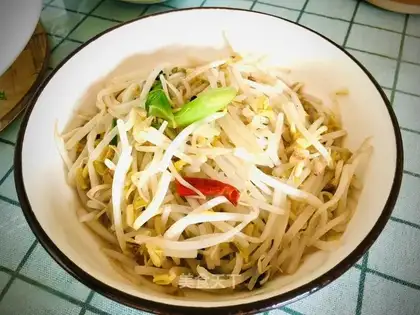 Jealous green bean sprouts"
 Egg noodles"
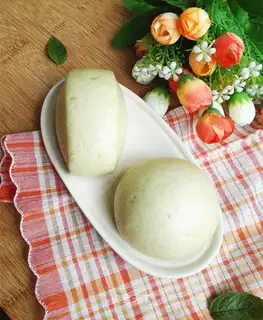 Mint buns"
 Beef onions"
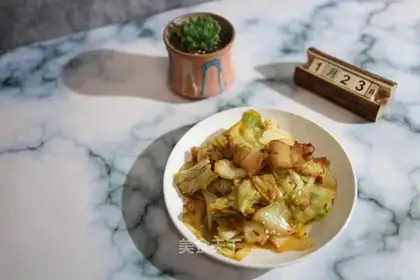 I'll make some meat"
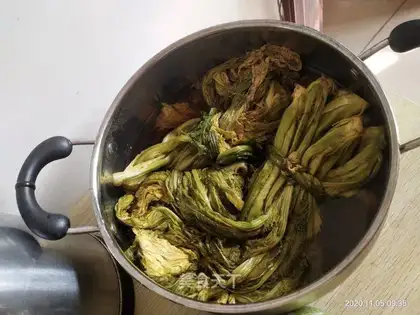 It's a guest"
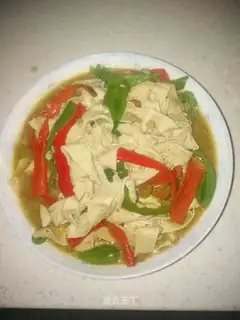 Twin pepper bean peel"
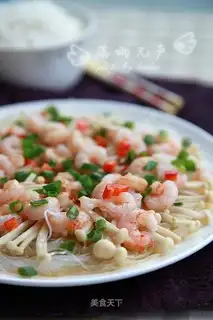 Gold needle fan steamed shrimp"
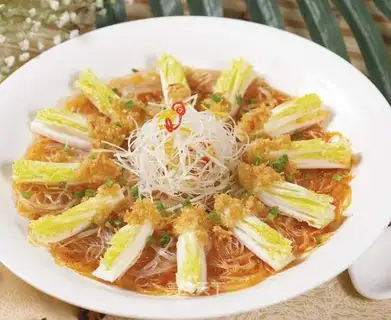 A fan of garlic veggies"
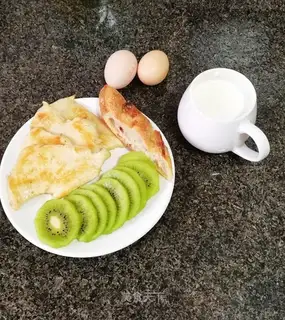 Fried chicken chest"
 Steamed eggplant with chopped pepper"
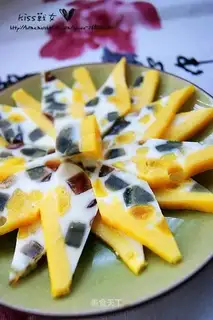 Three-color steamed egg"
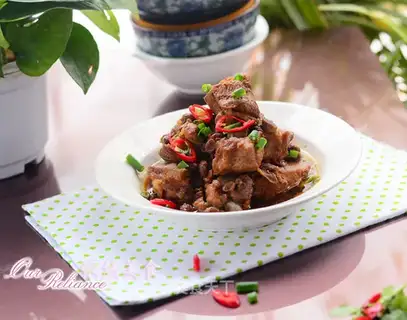 It's fragrance"
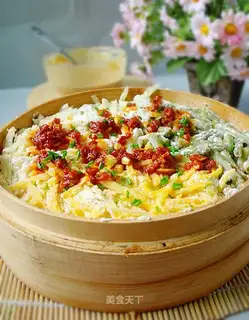 auspicious sanbao"