Ever find your meals bland, even when cooked with care? The solution might lie in a humble root: ginger. For centuries, this pungent spice has been more than just a flavor booster—it’s a natural appetite enhancer, turning dull dishes into satisfying feasts.
Ginger’s magic starts with its bioactive compound, gingerol. This compound stimulates saliva and digestive enzyme production, priming the body to break down food and heighten the perception of taste. When your taste buds are activated, even simple flavors like rice or steamed vegetables feel more vibrant. It also triggers the release of gastric juices, easing indigestion and preventing that heavy, post-meal lethargy that makes eating feel like a chore.
Culturally, ginger bridges tradition and science. In Asian cuisines, it’s paired with rich or fatty foods to cut through richness, balancing flavors and aiding digestion. Modern studies back this: ginger’s anti-inflammatory properties soothe the stomach, while its zesty aroma awakens the senses, making meals smell and taste more inviting.
So next time your food tastes flat, reach for ginger. Whether grated into soups, blended into teas, or stir-fried with vegetables, it doesn’t just add spice—it reignites your joy in eating. After all, the best meals are those that nourish both body and appetite.
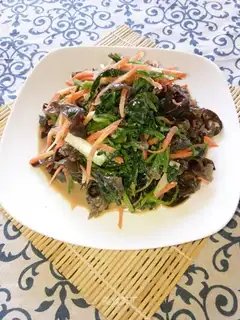 Wood and spinach"
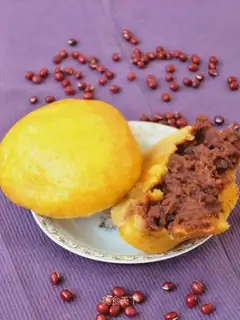 Corn pasta bag"
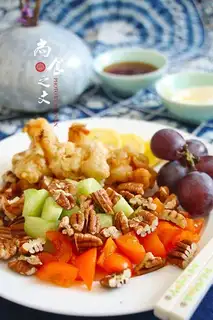 Beagan fried shrimp and vegetable salad"
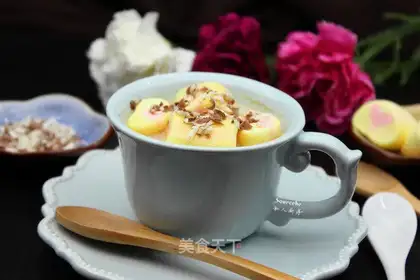 Hot chocolate, hot coffee"
 Chocolate-flavored peach pie"
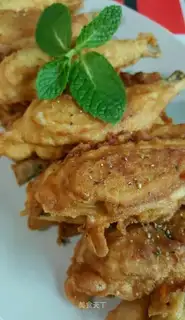 Tow the yellowfish"
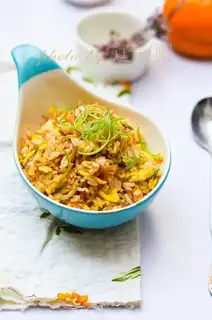 Mustard fried rice"
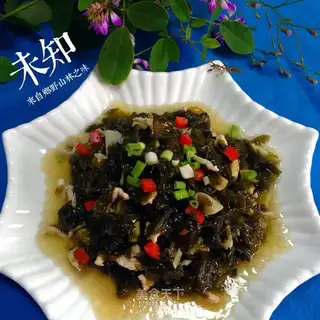 Meat loaf"
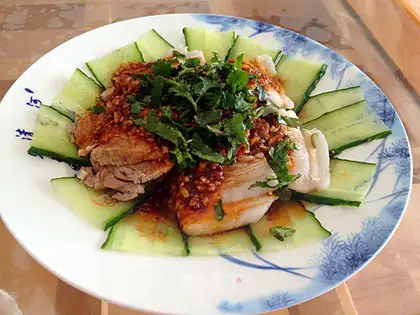 Garlic white meat"
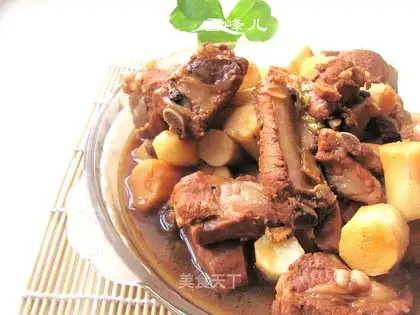 It's homemade"
 Ginger tea"
 Chi Fung Cake"
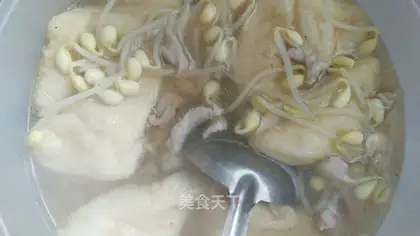 Lazy soup"
 The scented willows"
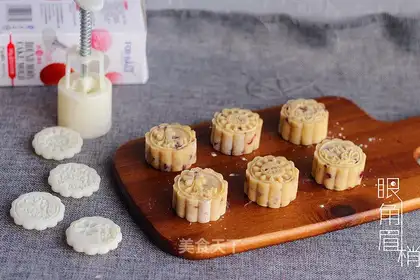 Cranberry green beans"
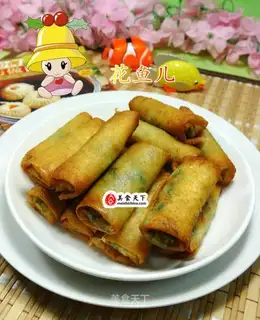 The meatloaf"
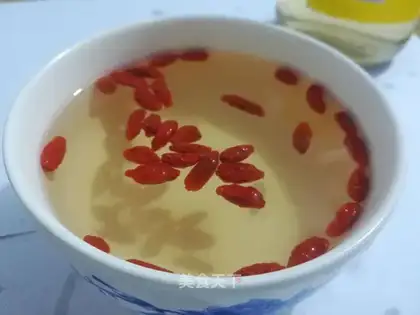 ♪ Trees with tongues ♪"
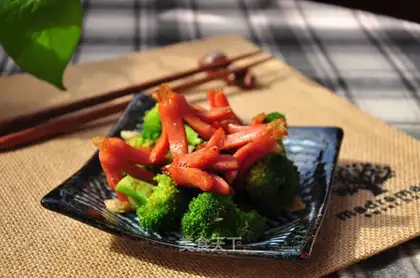 Nicco broccoli"
 Curry seafood"
 Vietnamese rice salmon rolls"
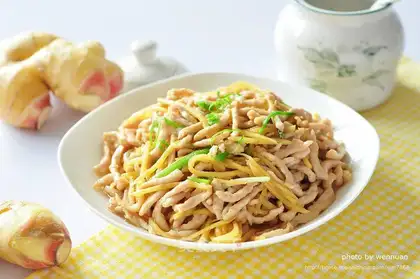 Ginger"
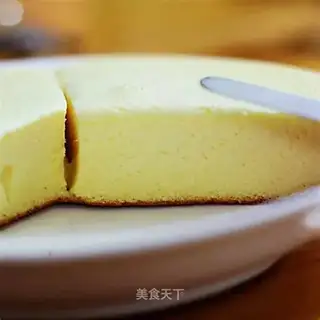 I'll make a cake"
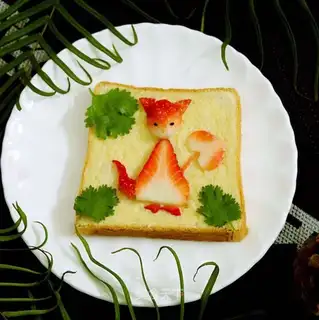 Little fox toast"
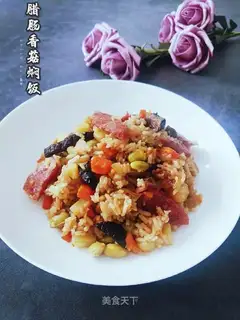 Weenie mushroom rice"
 Milk and yellow"
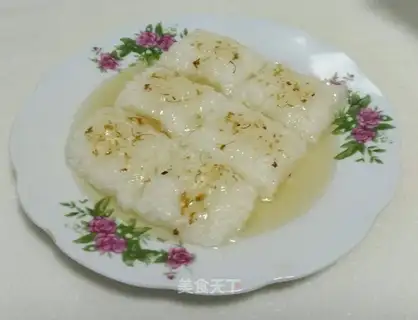 Quick, cinnamon cake"
 They used to make potato chips"
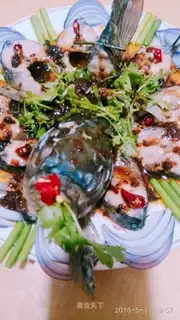 Look at the stars"
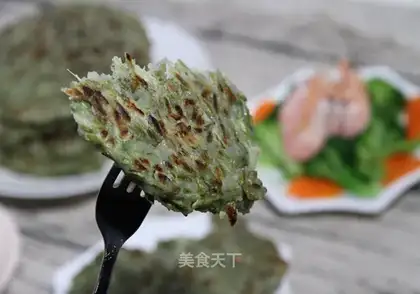 A bouquet"
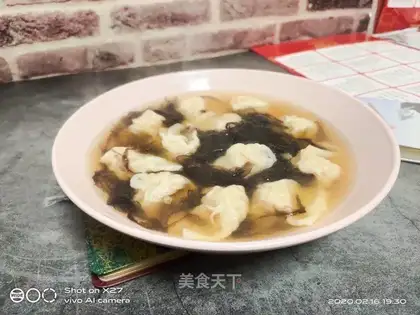 The cabbage meatpoll"
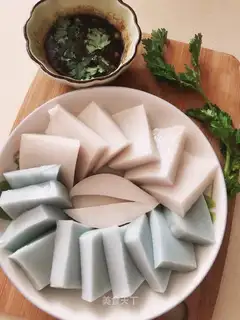 Tasty leather"
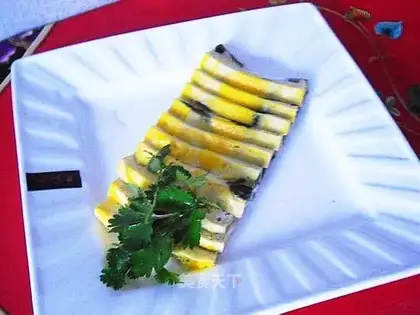 The pine omelet"
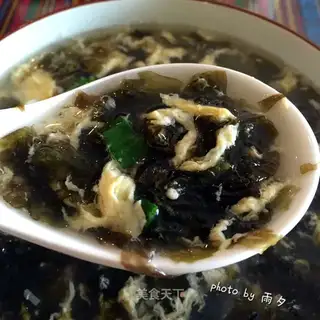 Soup"
Soup"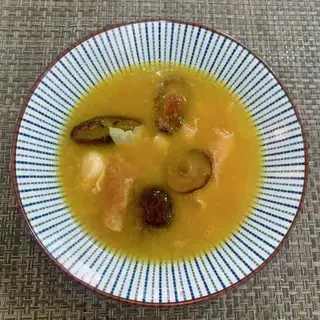 Buddha jumps the wall"
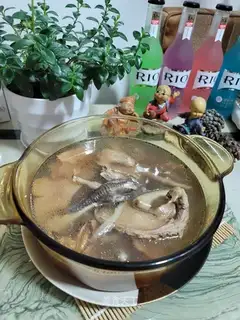 Fresh ground pigeon soup"
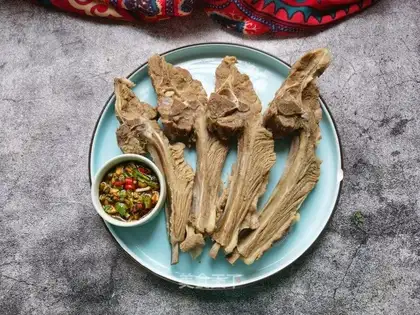 White lamb chops"
 Tomato shrimp soup"
 radish gravy"
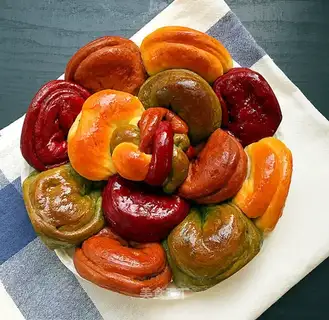 Four colored bean-bread"
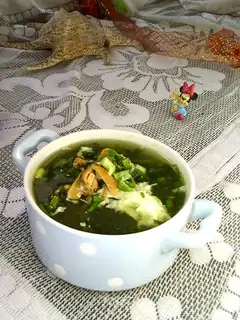 ♪ The egg Queens ♪"
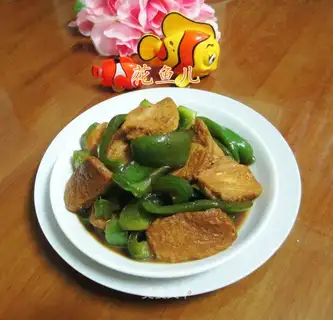 Plumb peppers and sour chickens"
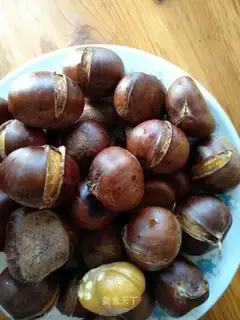 Steam chestnuts"
 Potato beans"
 Kang-mei"