In today’s fast-paced world, processed foods often dominate our diets, but incorporating whole grains offers a simple yet powerful path to better health. These unrefined grains—such as brown rice, oats, quinoa, and whole wheat—are packed with nutrients that refined grains lack, making them a cornerstone of balanced nutrition.
Whole grains retain the bran, germ, and endosperm, ensuring a rich supply of fiber, vitamins (like B and E), minerals (such as magnesium and iron), and antioxidants. Fiber aids digestion, prevents constipation, and promotes gut health by feeding beneficial bacteria. It also helps regulate blood sugar levels, reducing the risk of type 2 diabetes, and lowers cholesterol, supporting heart health. Studies suggest that regular whole grain consumption is linked to a lower risk of obesity, hypertension, and even certain cancers.
Beyond physical health, whole grains contribute to sustained energy release. Unlike refined grains that cause rapid spikes and crashes in blood sugar, their complex carbohydrates provide steady fuel, keeping you full and focused longer. This makes them ideal for busy individuals and athletes alike.
Incorporating whole grains is easy: swap white rice for brown, choose whole-wheat bread, or start your day with oatmeal. By making this small change, you invest in long-term vitality—proof that sometimes, the simplest foods offer the greatest rewards.
 Bean saloon bread"
 Spicy beef"
 Rice rolls"
 Green bean pie"
 Eggs, pine sausages"
 Beef potatoes"
 Eggcake"
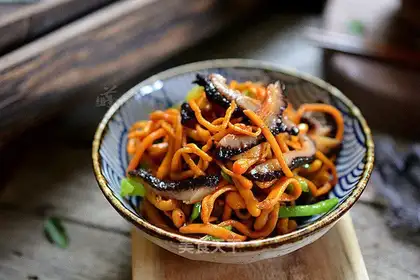 It's red"
 Red dates for blood"
 Strawberry salad"
 It's red meat"
 Fried bunhead"
 Dust ribs"
 It's a lot of money"
 Easy-haired pancakes"
 Three-coloured Maisala"
 Pumpkin boiled balls"
 Curry chicken"
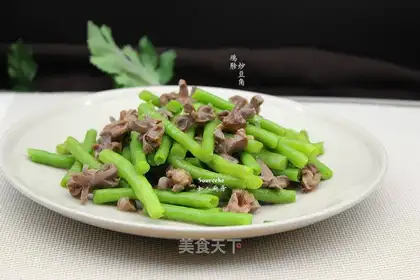 Chicken and beans"
 Strawberry-fruit ice"
 Mustard"
 Pumpkin Chifeng"
 Chestnuts"
 Forks"
 Scrambled eggs"
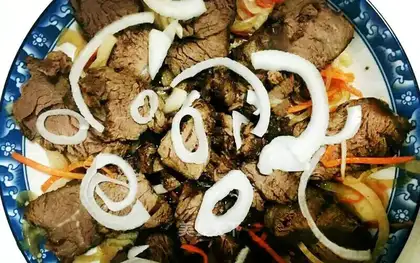 Beer and beef"
 Five fingers of peach wheat soup"
 Corn wheat soy"
 Apple, lemon, wheat grass juice"
 Barbecue"
 Gold pear celery juice"
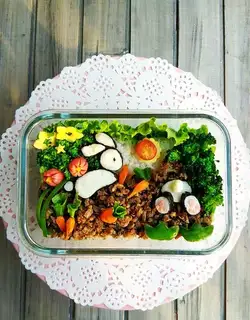 Vegetable veal for rabbits"