As people age, their bodies undergo changes that make proper nutrition crucial yet challenging. Reduced appetite, slower metabolism, and difficulty absorbing nutrients from food can lead to deficiencies, increasing the risk of chronic diseases, frailty, and a lower quality of life. For seniors, targeted nutritional supplementation is not just a choice but a proactive step to avoid future health struggles.
Essential nutrients like vitamin D, calcium, and B12 become particularly vital. Vitamin D and calcium support bone density, preventing osteoporosis and fractures, while B12 aids nerve function and energy production, combating fatigue and cognitive decline. Omega-3 fatty acids, found in fish oil supplements, reduce inflammation, protecting heart and brain health. Additionally, protein supplements help maintain muscle mass, addressing sarcopenia (age-related muscle loss) that can lead to weakness and mobility issues.
However, supplements should complement, not replace, a balanced diet. Seniors should consult healthcare professionals to identify individual needs, as excessive intake of certain nutrients (e.g., iron or vitamin A) can be harmful. Personalized plans—whether through multivitamins, specific nutrient doses, or fortified foods—ensure safe and effective support.
By prioritizing nutritional supplementation, seniors can enhance their immune function, stay active, and reduce the likelihood of debilitating health issues. Investing in nutrients today means fewer health struggles tomorrow, allowing older adults to enjoy their golden years with vitality and independence.
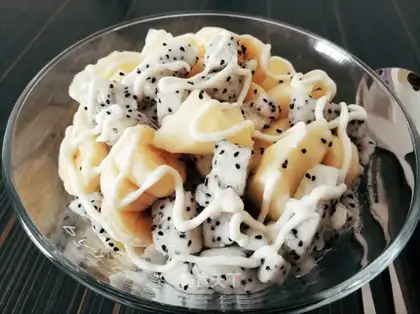 Flamingo salad"
 Caramel milk tea"
 Slurp cake"
 Soy sauce"
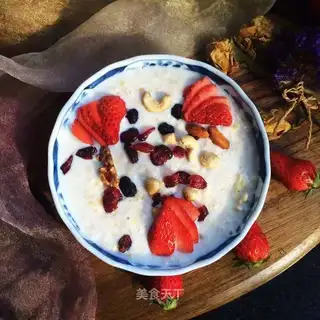 Milk oatmeal bowl"
 Vegetables, Vietnamese spinach"
 Shrimp pickles and egg soup"
 Delicious sausage rolls"
 Big meatballs"
 Pineapple pie"
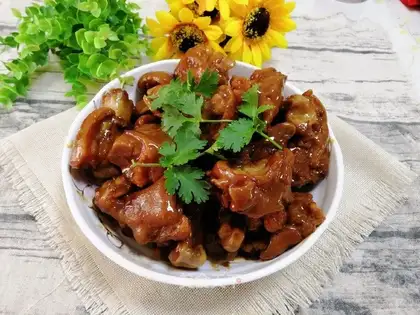 Roasted pig hoof"
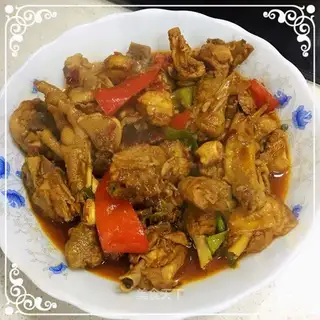 Spicy chicken"
 Zephyr"
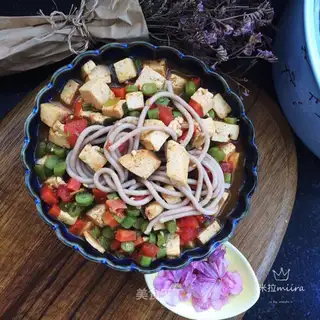 Tofu soup"
 Egg dumplings"
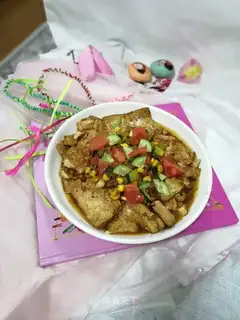 Homemade corn tofu"
 Air-cooked tofu"
 Cheese potato shrimp"
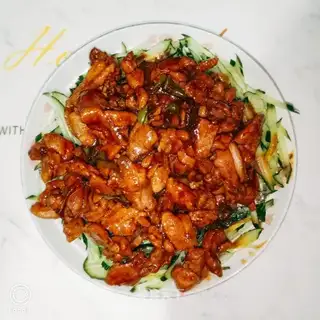 Soy duck"
 Roasted rice"
 Sausage roll"
 ♪ ♪ Blasted snails ♪"
 Skinny mushrooms, red bean oatmeal"
 Roast eggplant sandwich"
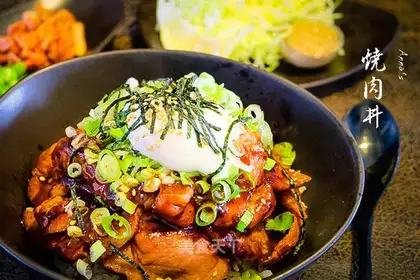 Meat and rice"
 Onion fried beef noodles"
 Cowboy hoof"
 Silver ear pumpkin porridge"
 The tofu is burning on the wings"
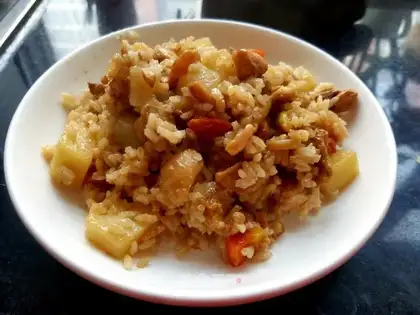 Potato chicken gravy"
 Too soft-hearted cocoa cake"
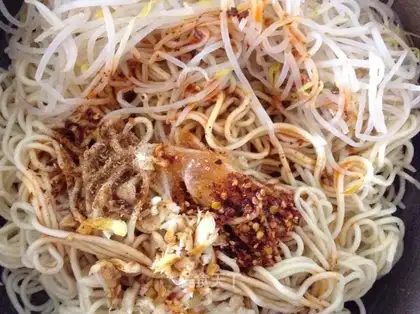 Sichuan"
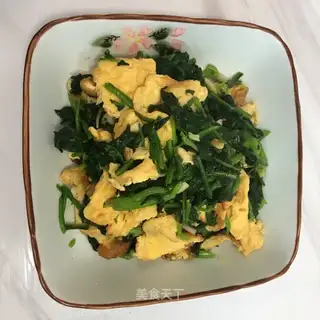 Eggs and spinach"
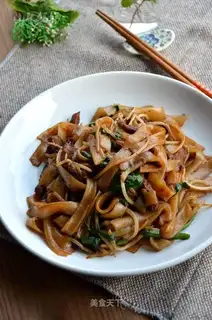 Scrambling"
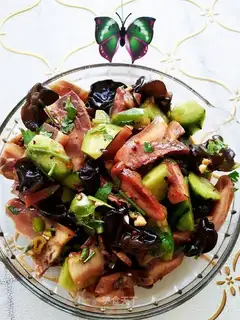 Cold-headed pork"
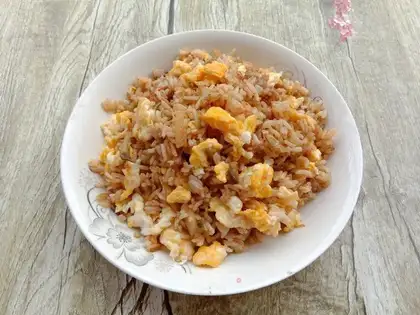 Meatloaf for egg and rice"
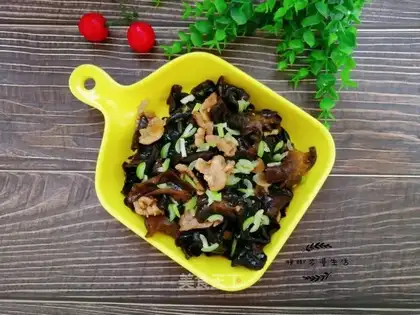 Wood and pork"
 It's a weird cookie"
 Gold rice shrimp ball"
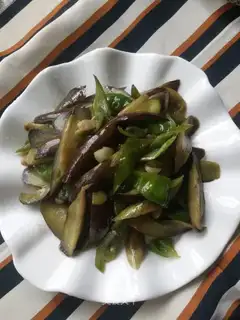 Fried eggplant"
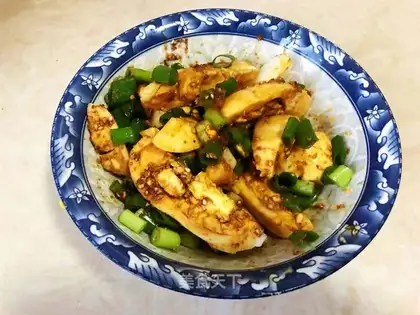 Goose eggs"
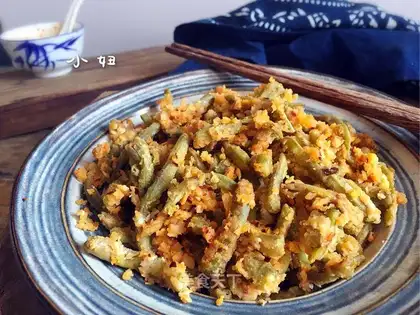 Steam Beans"
 Robb soup"
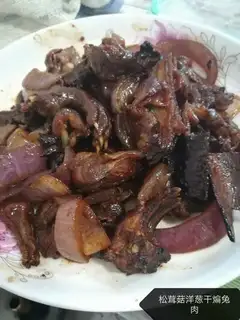 Puffy mushroom onion dry rabbit"
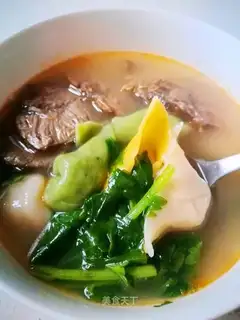 Colored clouds"
 Garlic sausage"
 Kitty Cookies"
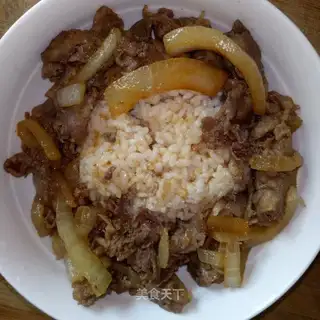 Fat cow rice"