Xinjiang pilaf, or "Zhuafan," is a beloved Uyghur dish celebrated for its fragrant rice, tender meat, and vibrant flavors. Mastering this dish involves key steps and creative variations.
The classic recipe begins with carrots and onions, sautéed until golden in sheep tail fat or oil. Tender lamb is then browned, followed by the addition of rice, typically basmati for its long grains. Water or broth is poured in, and the simmers gently until the rice absorbs all liquid, creating a fluffy, caramelized crust at the bottom (*qawap*).
For a twist, try vegetarian pilaf with pumpkin, raisins, and almonds, or spiced pilaf using cumin, coriander, and dried apricots for a sweet-savory kick. Some regions add quails or chicken instead of lamb, while others incorporate saffron for a golden hue and aroma.
The secret lies in balancing textures: the crispiness of *qawap*, the softness of the rice, and the melt-in-your-mouth meat. Garnished with fresh herbs and served with a side of yogurt salad, Xinjiang pilaf is more than a meal—it’s a celebration of cultural richness and culinary artistry. Whether traditional or innovative, each version tells a story of Xinjiang’s diverse flavors.
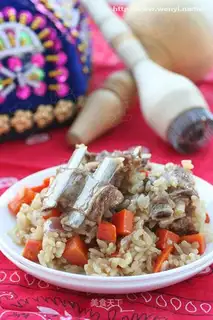 Fool version of Xinjiang pilaf"
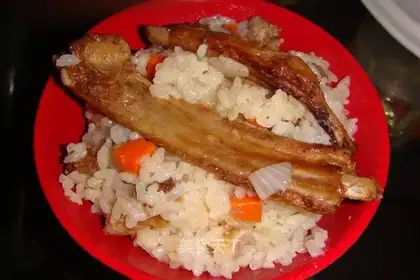 Xinjiang mutton pilaf"
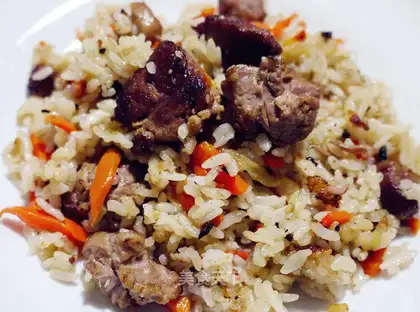 Xinjiang pilaf"
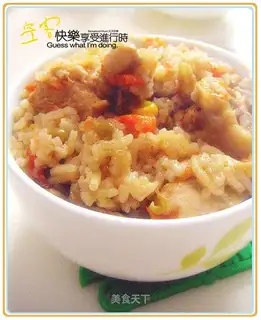 Chicken pilaf"
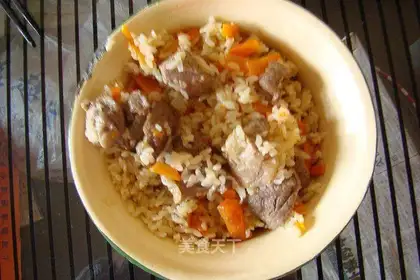 Xinjiang mutton pilaf"
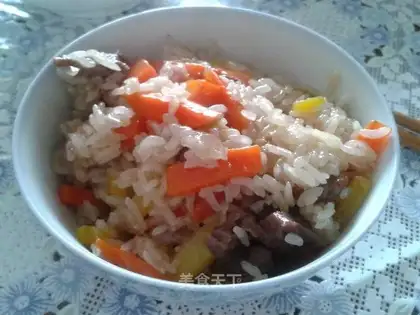 Xinjiang pilaf"
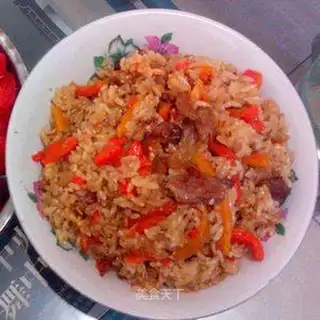 Xinjiang pilaf"
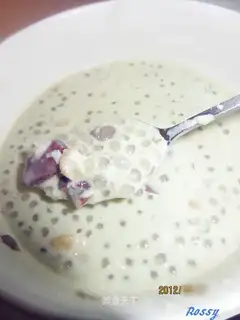 Coconut sweet bean sago dew"
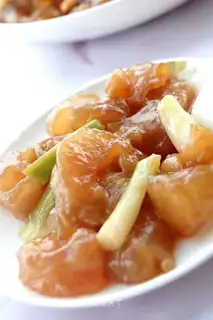 Grilled tendons"
 Egg skin perch roll"
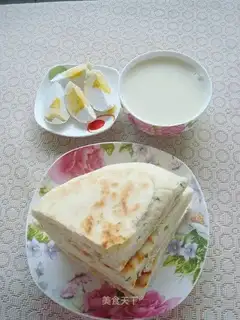 cured cake"
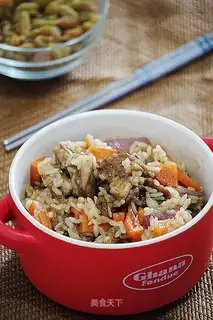 Xinjiang's hands grab rice"
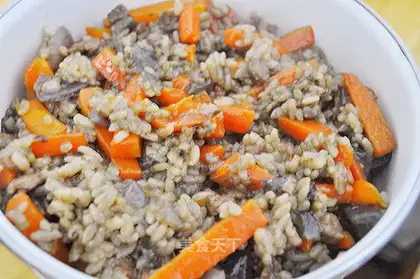 Scrap and rice"
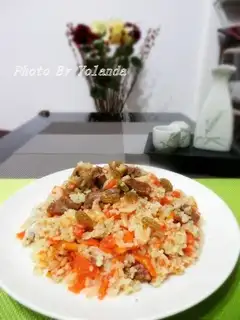 Xinjiang's meat and rice"
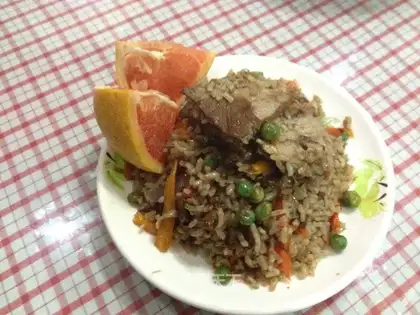 Xinjiang's hands grab rice"
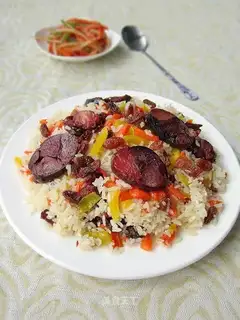 Scrambling"
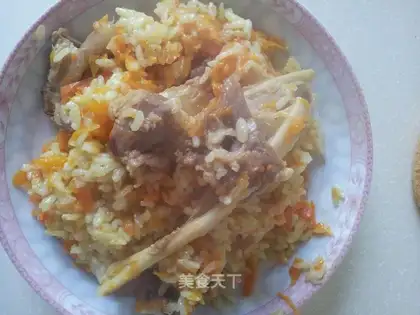 Hands on rice"
 Red chips"
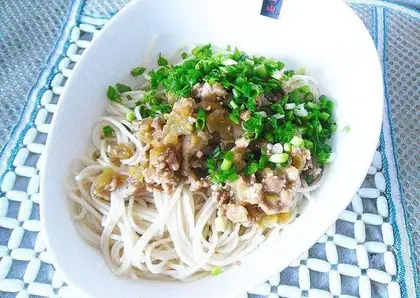 - Noodles"
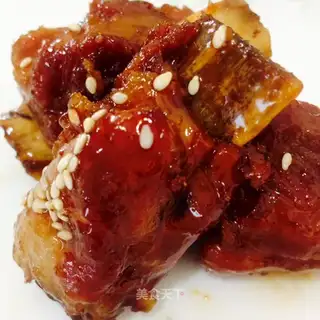 Sweet ribs"
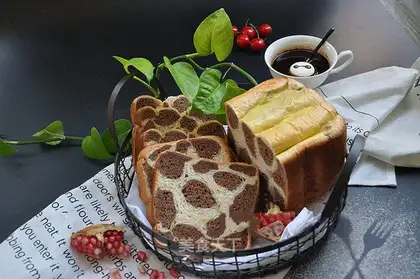 A giraffeed toast"
 Flower clams steam eggs"
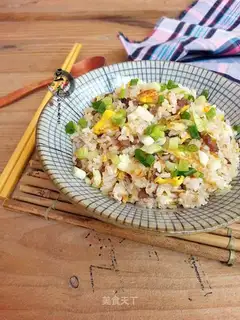 Homemade beef fried rice"
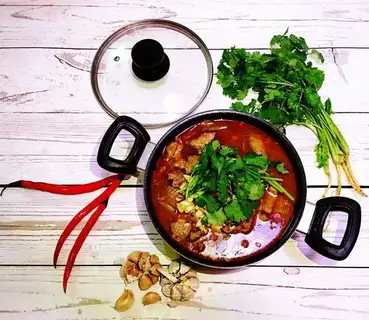 Boiled beef"
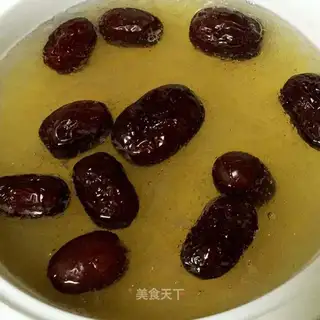 "Red dates, ice cream, oat nest.""
 Apricot milk cup"
 Bean potato toast"
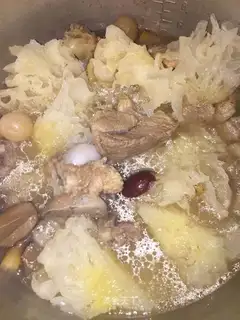 Cherokee pork soup"
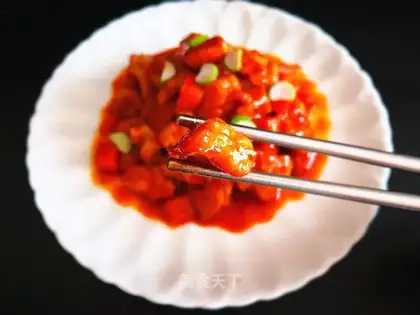 Cherry"
 oatmeal cookies"
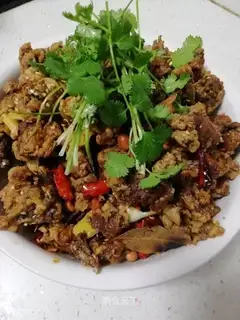 Spicy chicken"
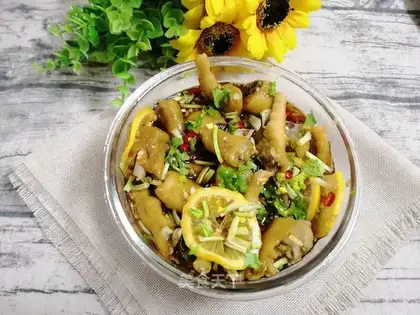 Lemon sour chicken claws"
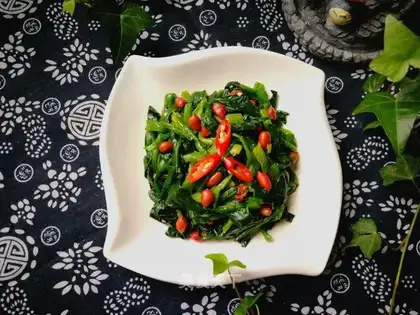 Peanut spinach"
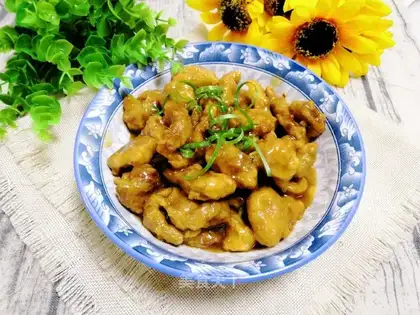 Sugar and vinegar"
 Pumpkin"
 Fry the woods"