Old Beijing Zhajiang Noodles, a beloved staple with over 200 years of history, are celebrated for their rich, savory flavor and hearty texture. Mastering this dish requires attention to three key elements: the fermented soybean paste (zhajiang), fresh vegetables, and perfectly cooked noodles.
First, prepare the zhajiang. Heat 3 tablespoons of peanut oil in a wok over medium-low heat. Add 200 grams of finely diced pork belly (or a mix of pork and beef) and stir-fry until crispy. Add 1 tablespoon of finely chopped ginger, 2 cloves of minced garlic, and cook until fragrant. Then, stir in 4 tablespoons of yellow fermented soybean paste (黄酱) and 1 tablespoon of sweet bean paste (甜面酱), frying slowly for 5–7 minutes until the oil turns reddish-brown and the aroma deepens.
Next, prep the toppings. Julienne 2 cucumbers, 2 carrots, and 2 radishes. Blanch 200 grams of bean sprouts in boiling water for 30 seconds and drain. For the noodles, use fresh or dried wheat noodles (about 150 grams per serving). Boil in salted water until al dente, then rinse under cold water to stop cooking and enhance chewiness.
To serve, place the noodles in a bowl and top with the julienned vegetables, bean sprouts, and a dollop of the zhajiang sauce. Mix thoroughly, ensuring every strand is coated. For extra authenticity, add a drizzle of sesame oil or a sprinkle of chopped scallions.
This harmonious blend of savory, fresh, and crunchy elements makes Zhajiang Noodles a timeless comfort food, embodying the warmth and tradition of Old Beijing’s culinary heritage.
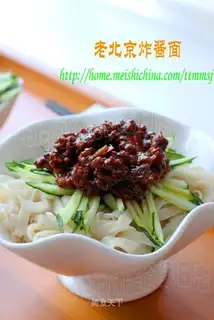 noodles with soy bean paste, Beijing"
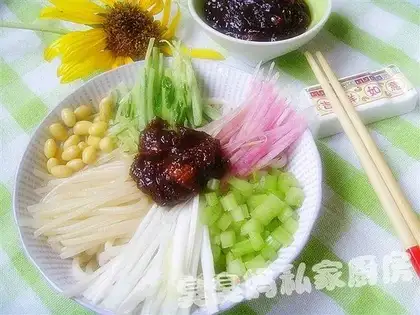 noodles with soy bean paste, Beijing"
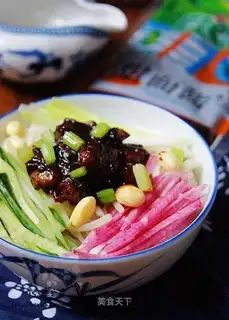 noodles with bean"
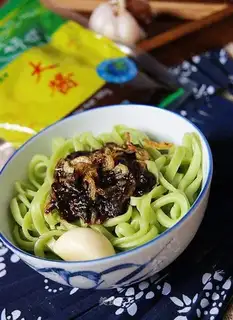 Old Beijing noodles with vegetarian sauce"
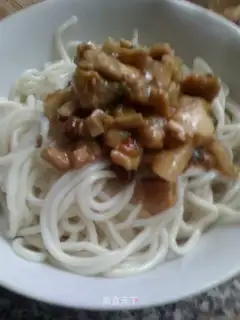 noodles with soy bean paste, Beijing"
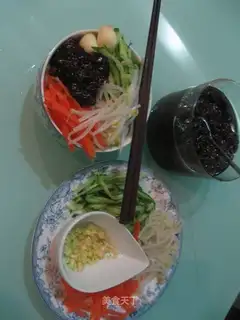 noodles with soy bean paste, Beijing"
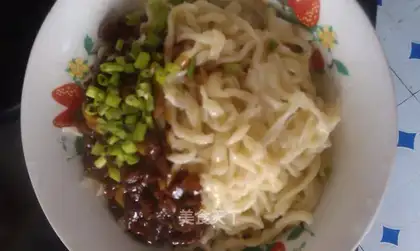 Old Beijing noodles"
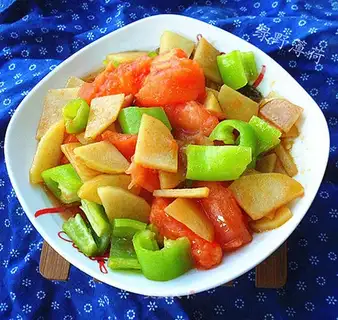 Potato chips"
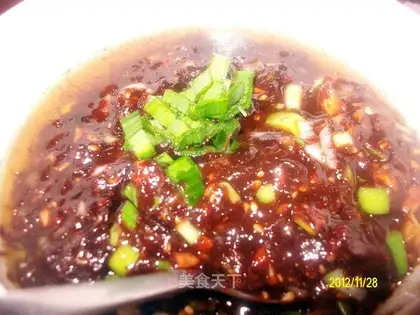 Old Beijing Soy sauce"
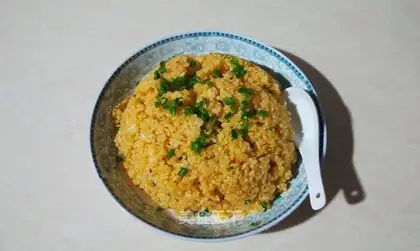 Spicy sauce and rice"
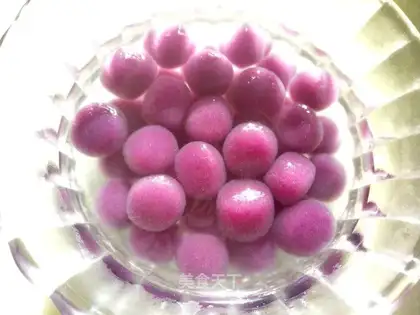 Taco"
Taco"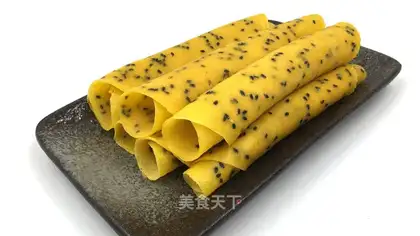 Sesame omelet"
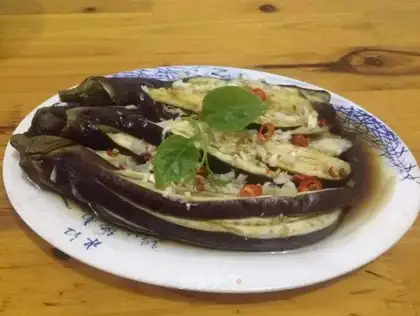 Steamed eggplant"
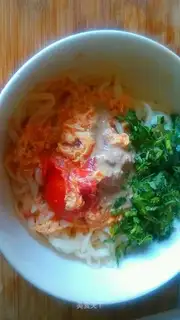 Tomato egg noodles"
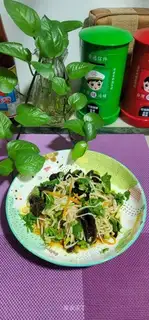 ♪ A cold golden needle ♪"
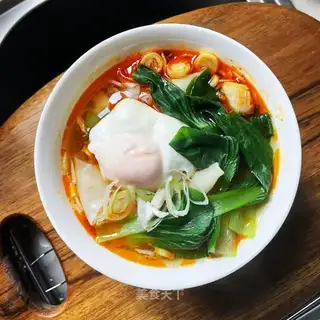 Sour soup and eggs"
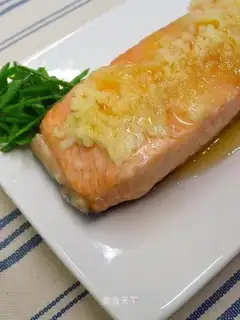 Garlic cream salmon"
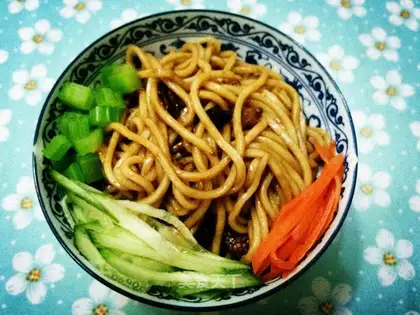 Old Beijing noodles"
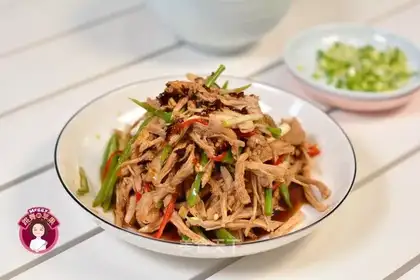 Frozen chicken soup and sour chicken silk"
 Country cherry cheesecake"
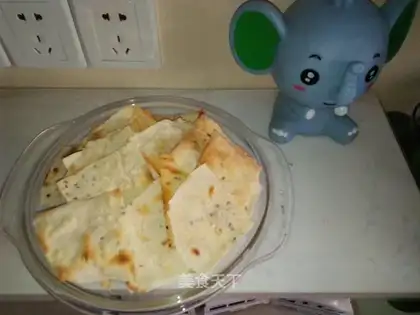 Sesame pretzels"
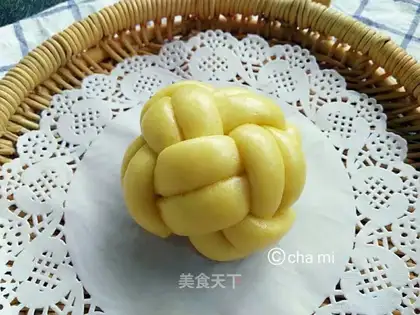 The embroidery bun"
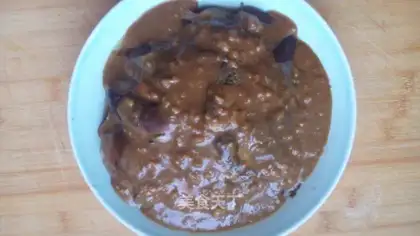 Hands tore up the eggplant"
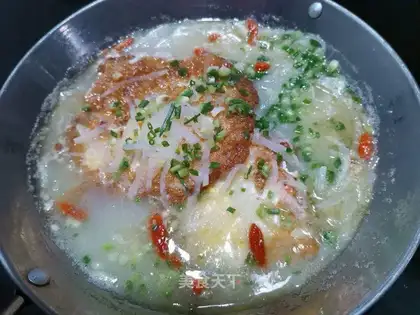 Rhobbes boiled eggs"
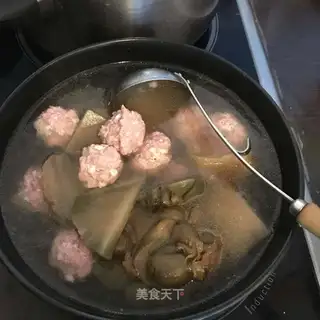 Squeaky soup"
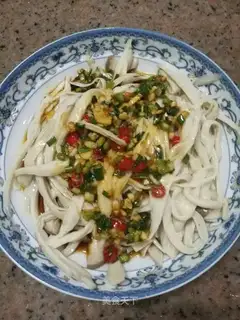 Cook chicken leg mushrooms"
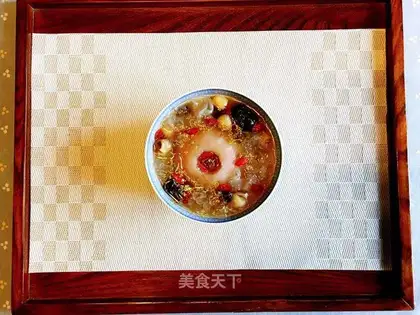 ♪ Lotus silver-eared Sydney ♪"
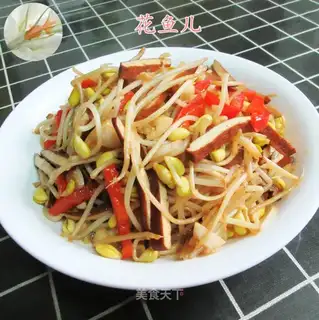 Scrambled soybeans"
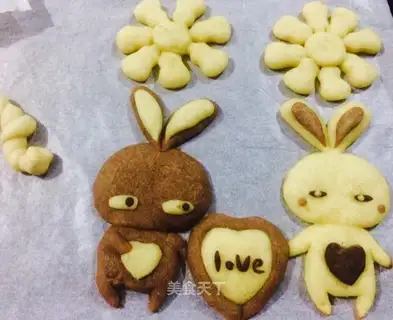 Green Bean cartoons"
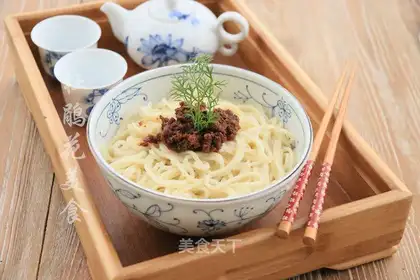 Old Beijing noodles"
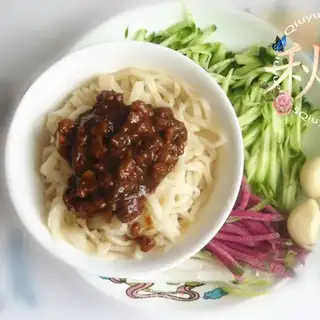 Old Beijing noodles"
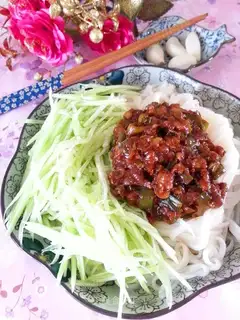 Old Beijing noodles"
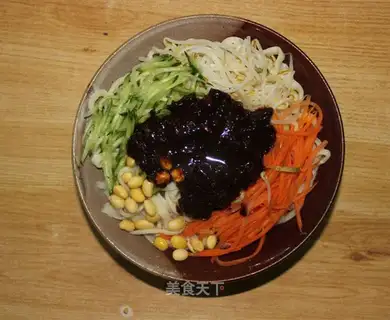 Old Beijing noodles"
 Honey celery"
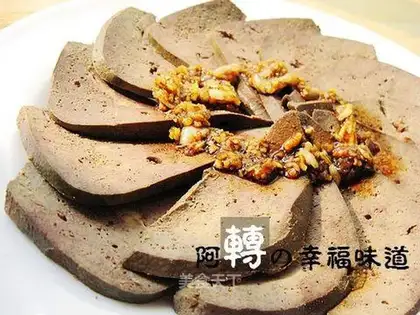 Pork liver"
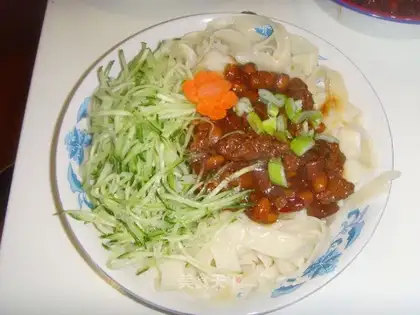 Old Beijing home-cooked noodles with bean paste"
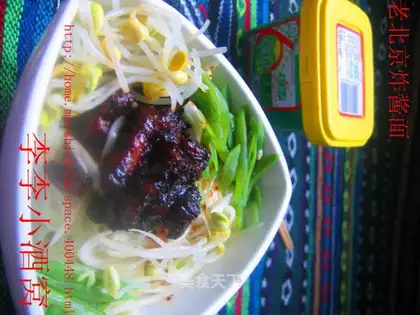 noodles with soy bean paste, Beijing"
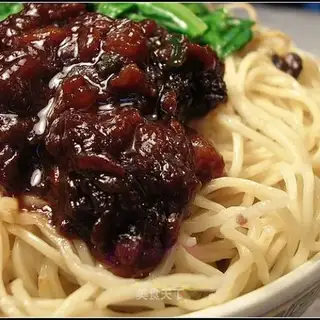 Small stewed pork noodles with dried bean paste"
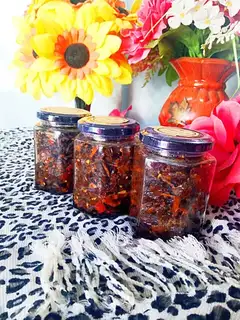 Cheese cans"
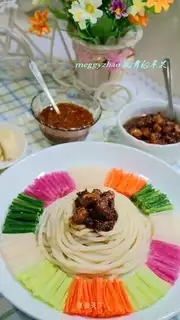 Old Beijing noodles"