For many women, excessive internal dampness manifests as fatigue, bloating, dull skin, or a heavy body feeling, often linked to humidity, poor diet, or sedentary lifestyles. To alleviate this, a targeted approach is key.
First, adjust your diet: Avoid cold, raw, and greasy foods that disrupt digestion. Opt for warm, cooked meals and incorporate natural diuretics like barley, Job’s tears, red beans, and ginger. Herbal teas with chrysanthemum or poria cocos also help expel dampness.
Second, boost circulation through movement. Regular exercise such as yoga, brisk walking, or taiqi promotes qi and blood flow, aiding the body’s natural detoxification. Avoid prolonged sitting or exposure to cold drafts post-workout, which can worsen dampness.
Third, lifestyle habits matter. Keep warm, especially the abdomen and feet, as cold can trap dampness. Ensure adequate sleep to support the spleen, a key organ in dampness regulation. Consider soaking feet in warm water with ginger slices before bed to enhance circulation.
Finally, manage stress. Chronic tension impairs digestion, so practices like meditation or deep breathing can maintain balance.
By combining dietary wisdom, gentle movement, and mindful habits, women can effectively reduce dampness and restore vitality. Consistency is key to long-term results.
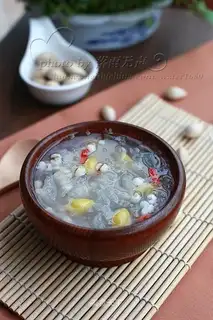 ♪ The sweet soup of the corn ♪"
 Green Bean Lotus Rice"
 Pie pie"
 It's lamb soup"
 Shrimp pie"
 Farmer"
 The evaporation ribs"
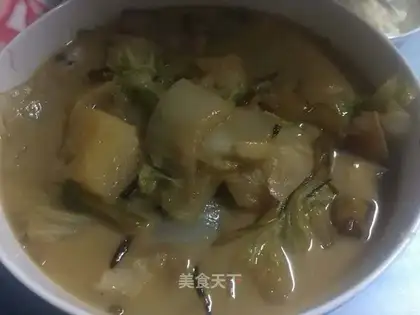 Big pot"
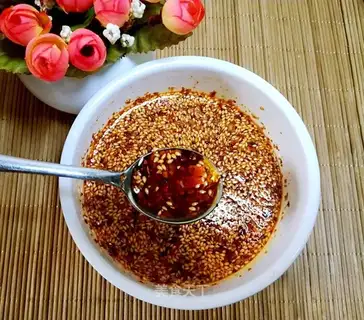 The kitchen needs pepper oil"
 Cheese buns"
 Blueberry Mush"
 A vegetable and fruit salad"
 Sushi"
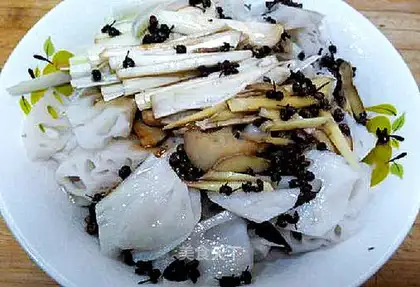 Snack"
 Double chopping fish head"
 Red dates for blood"
 Family sushi"
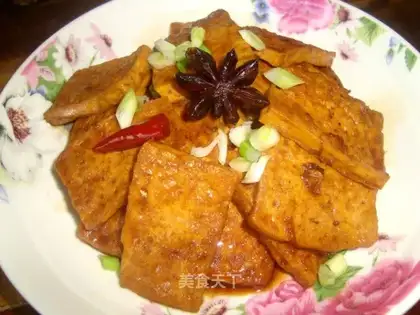 Red tofu"
 Fresh meat mooncake"
 Porridge"
 A cucumber puzzle"
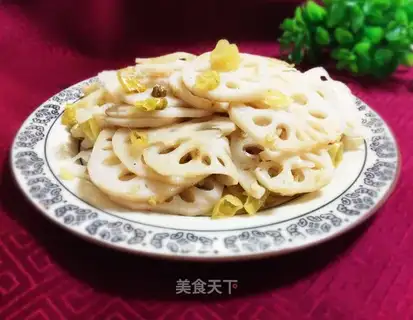 Fried chips"
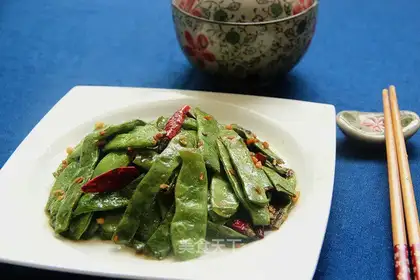 Dry lentils"
 Succubus"
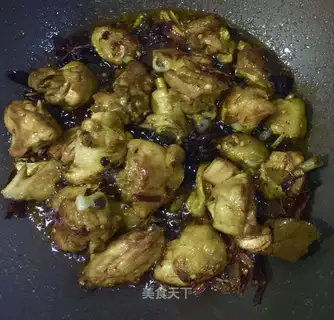 Chicken pieces"
 A margarita"
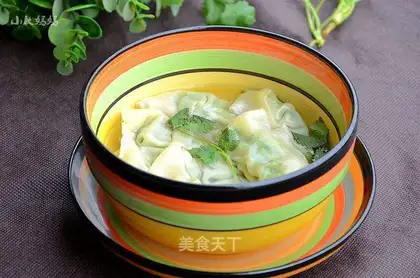 The meatloaf"
 Hokkaido Chi Feng"
 Zipper"
 Boiled meat"
 A cabbage stew fan"
 Meat and eggs"
 I'll be back"
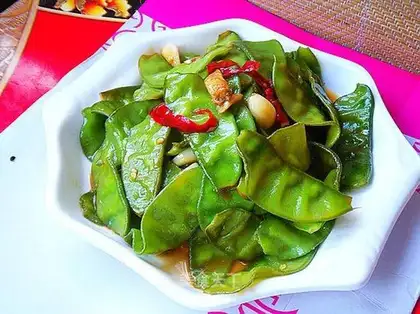 Fish-flavored lentils"
 Bloody blood"
 Red pork"
 Tomato sauerkraut"
 Honey lemon tea"
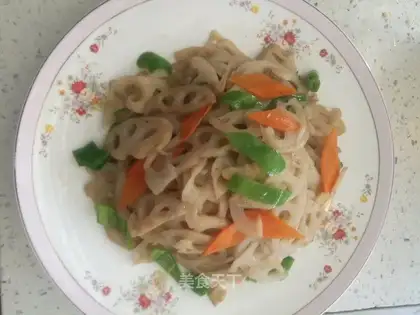 Clear the tablets"
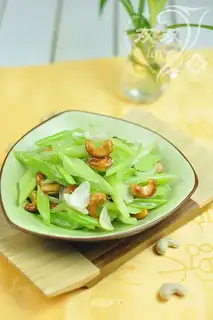 A cashew-fruit celery"