Nearsightedness, or myopia, has become a global health concern, especially among younger generations. Characterized by blurred distance vision, it often develops in childhood and progresses if left unmanaged. However, adopting simple eye care habits can significantly reduce the risk and slow its progression.
Firstly, limit screen time and follow the "20-20-20" rule: every 20 minutes, look at something 20 feet away for 20 seconds. This reduces eye strain from prolonged close-up work, such as using computers or reading. Secondly, ensure proper lighting—avoid dim environments when reading or studying, and position light sources to prevent glare on screens or books.
Thirdly, take regular breaks and engage in outdoor activities. Natural light exposure stimulates dopamine release, which may protect eye elongation, a key factor in myopia. Aim for at least 1-2 hours outdoors daily. Additionally, maintain a healthy distance from screens (about arm’s length) and adjust font sizes to minimize squinting.
Lastly, schedule regular eye check-ups, especially for children. Early detection allows timely intervention, such as corrective lenses or orthokeratology lenses, which can slow myopia progression.
In conclusion, preventing nearsightedness starts with small, consistent habits. By prioritizing eye health today, we can safeguard clear vision for a lifetime.
 Homemade red bean sand"
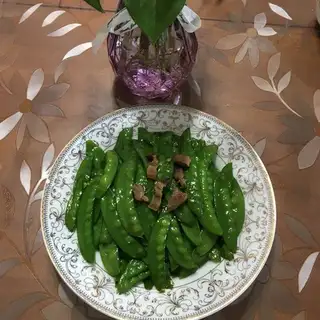 It's oil"
 Seafood congee"
 One person eats eggs and meatloaf"
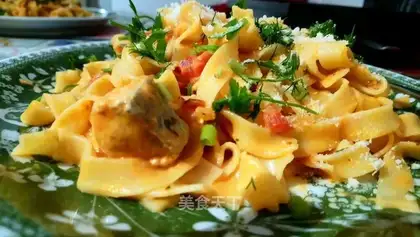 Spaghetti"
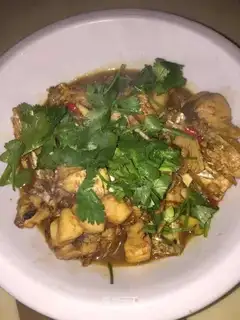 Red-burned fish"
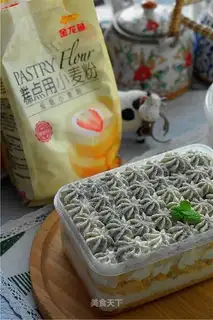 Fresh fruit box cake"
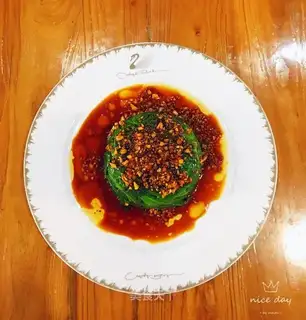 Ginger spinach"
 A duck's broth"
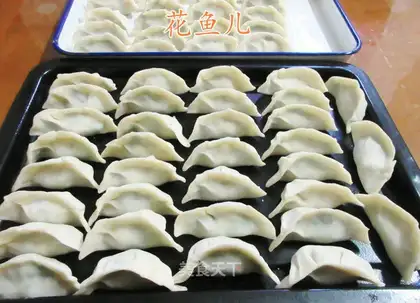 Eggs and dumplings"
 Shrimp fried eggs"
 Black sugar. Twin rice"
 Pretzels of meat"
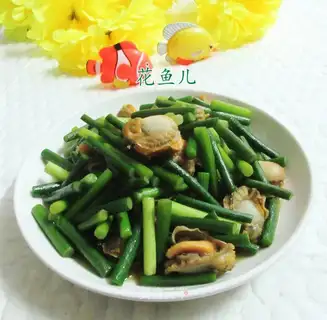 Scallops and gibberish"
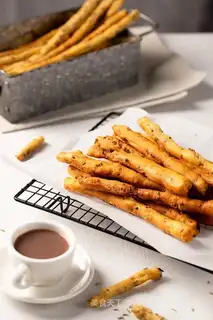 Cracker fragrance"
 Pumpkin dumpling"
 SIX-INCH KITTY STEAM CAKE"
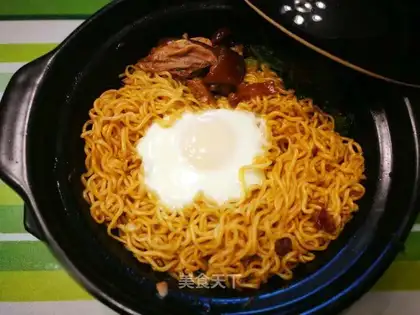 Cinnamon noodles"
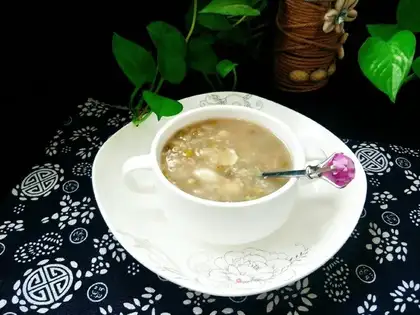 Lily Lotus green bean congee"
 Peanut walnut honeycake"
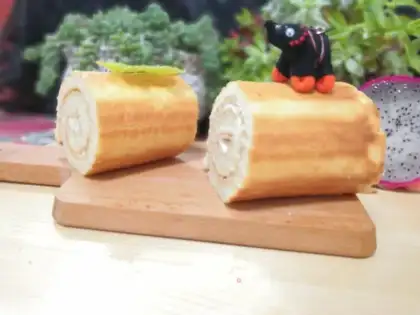 The original cake roll"
 Pearl milk tea"
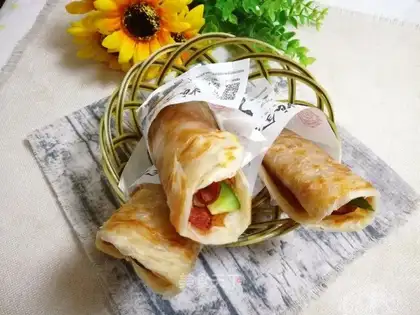 Hand grab cake"
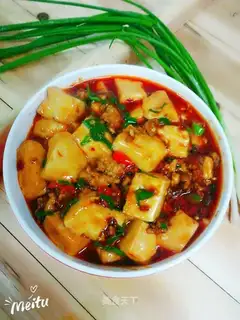 Spicy meat and tofu"
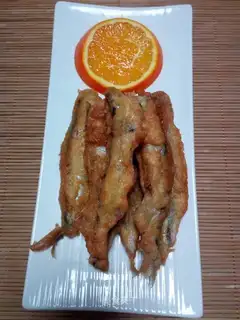 Fried fish"
 Strawberry cake"
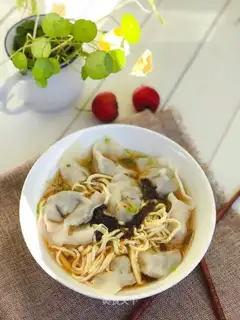 Shrimp"
 Onions with ginger beef"
 Fruit omelet"
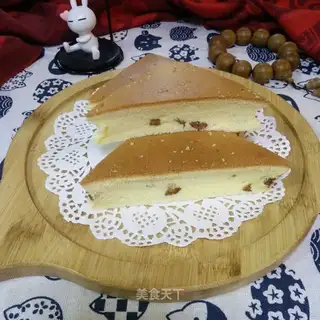 Cut the red date cake"
 The potato lunar pie"
 Cinnamon butter cake"
 Pumpkin toast"
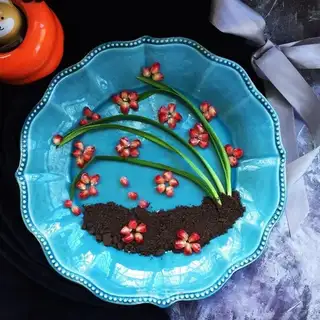 Swinging"
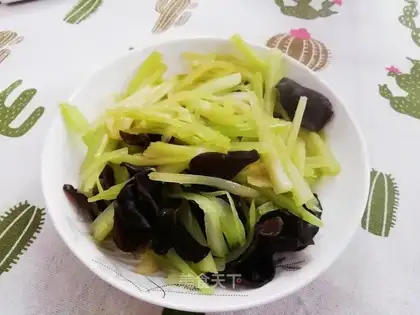 Mocked celery"
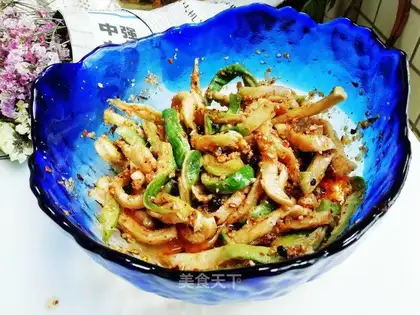 A radish"
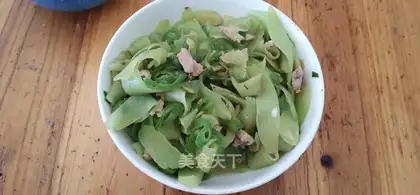 Fried meat"
 Fried rice"
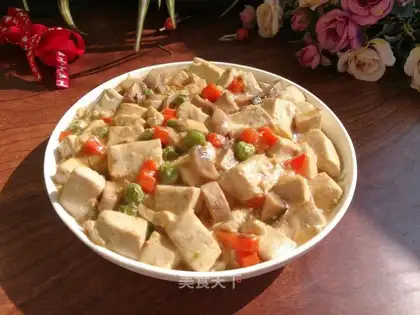 Mushroom tofu"
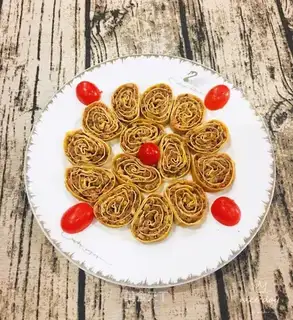 Beef mushroom bean rolls"