Chinese New Year’s Eve, or "Chuxi," is incomplete without the reunion dinner, a feast where "Nianye Fan" (年夜饭) symbolizes harmony and prosperity. Among its cherished dishes, "Huakai Fugui" (花开富贵), or "Blooming Fortune," steals the spotlight—not just for its vibrant beauty, but for the joy it brings to the family table.
Huakai Fugui is a culinary masterpiece, often crafted as a whole steamed fish, braised pork belly, or lotus root salad, artfully arranged to resemble a blooming flower. The fish, "yu" (鱼), echoes "yu" (余), meaning abundance, while lotus roots, "lian" (莲), sound like "lian" (连), signifying continuous prosperity. Its petals, sometimes made from dyed eggs or radish, burst with colors of red and gold—traditional hues of luck and wealth. Beyond aesthetics, the dish carries deep meaning: each petal represents a family member, and the "blossom" symbolizes unity, growth, and a flourishing year ahead.
As family gathers around the table, sharing this dish, laughter and warmth fill the air. Huakai Fugui is more than food; it is a edible wish, a reminder that love, like a flower, thrives in togetherness. In its delicate layers and rich flavors, it captures the essence of Chinese New Year: hope, renewal, and the beauty of shared blessings.
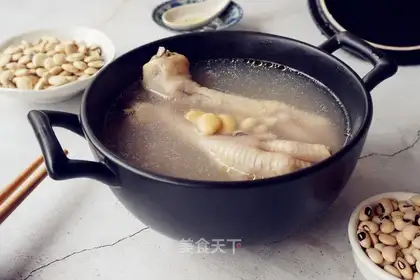 lentils, bean, chicken feet soup"
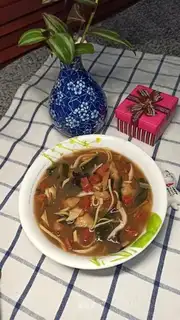 Spicy soup"
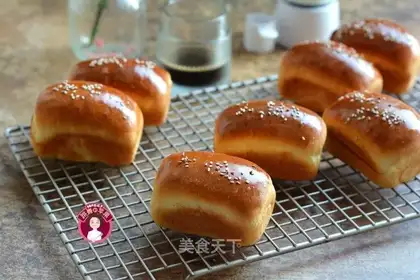 Old bread"
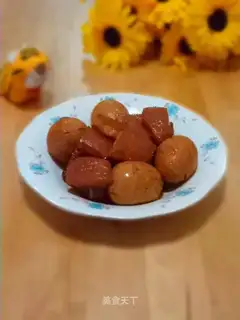 The meat"
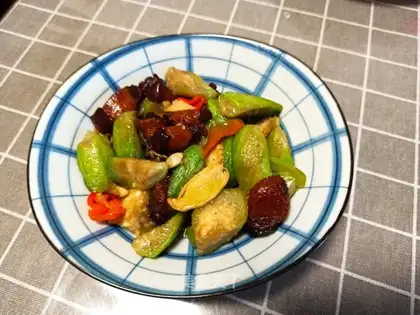 Red roasted smelt"
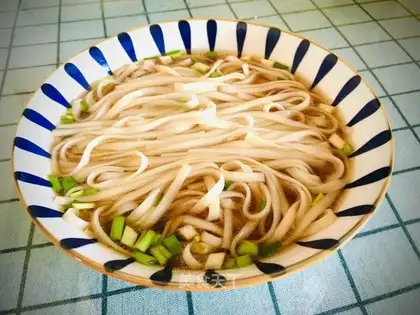 Yin-chun"
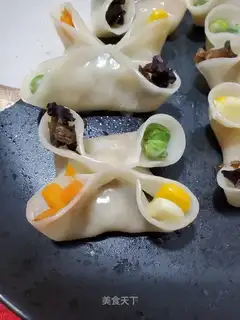 Four-Girl dumplings"
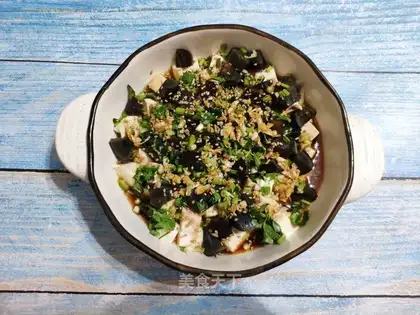 Eggs, tofu"
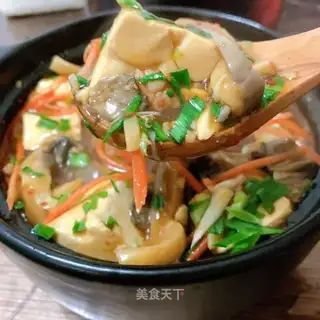 Spicy tofu"
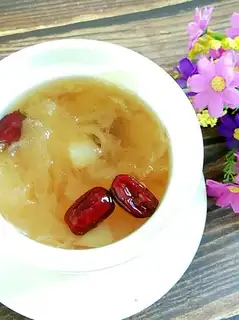 Silver Syd"
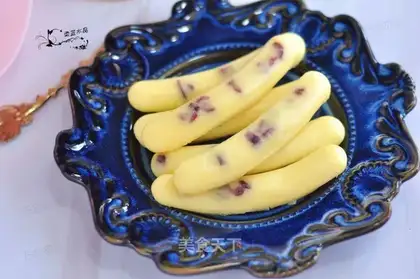 Almond milk"
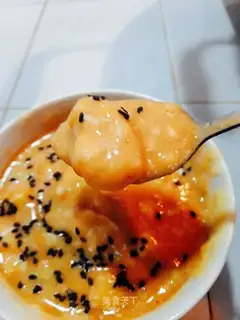 Sour spicy"
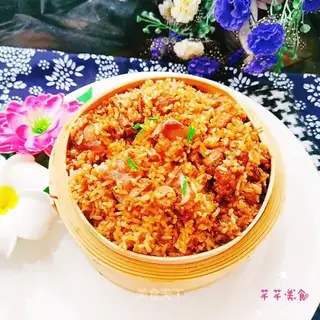 The rice ribs"
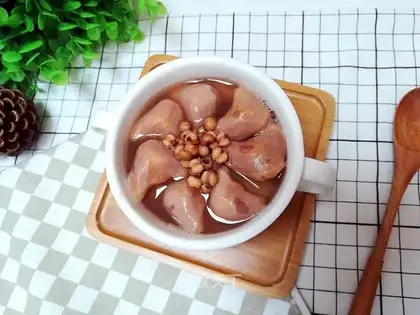 ♪ The horn of a windmill ♪"
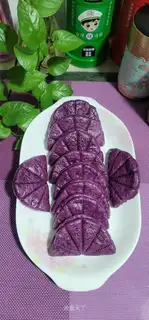 Potato loaf"
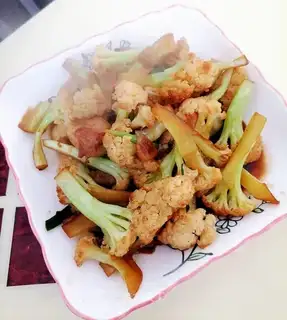 Pickles"
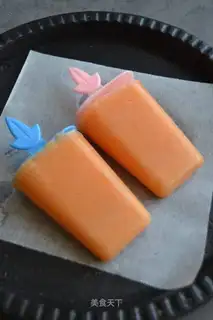 Cucumber ice cream"
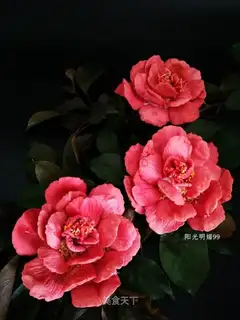 A national fragrance crotch"
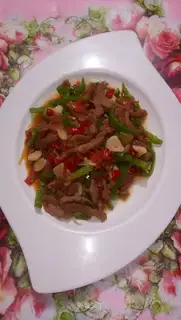 Precious beef"
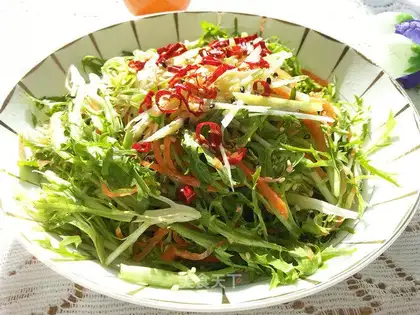 It's cold"
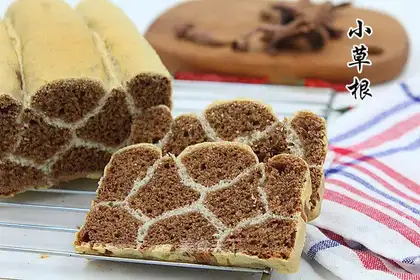 Little leopard toast"
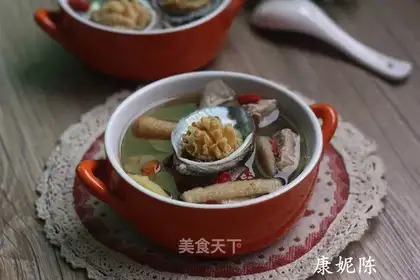 Fresh abalone skinny broth"
 Seamus cake"
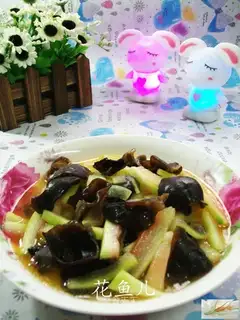 Black-muteed watermelon"
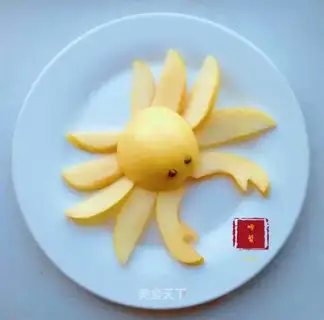 Apple crabs"
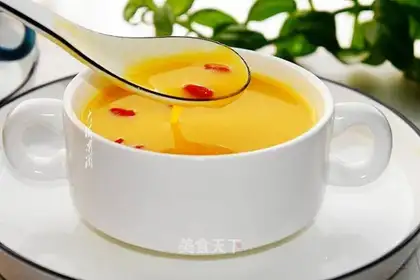 Pumpkin"
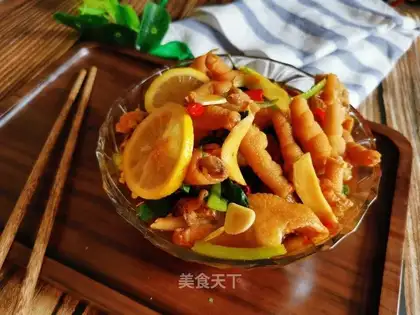 Lemon chicken claws"
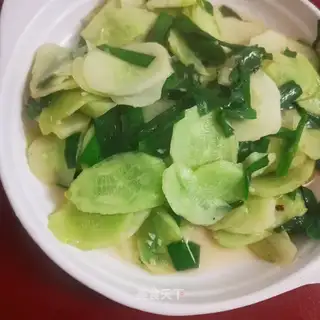 cucumber casserole"
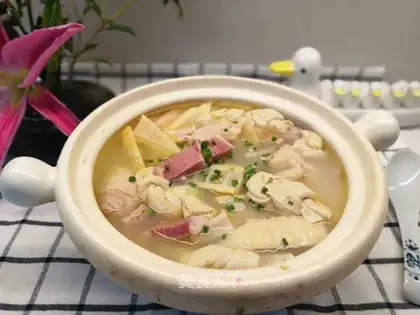 Quizumi"
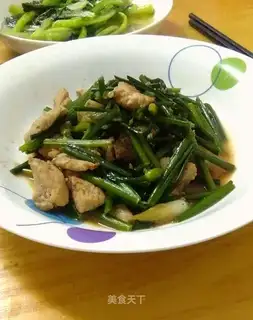 Cream-fruit"
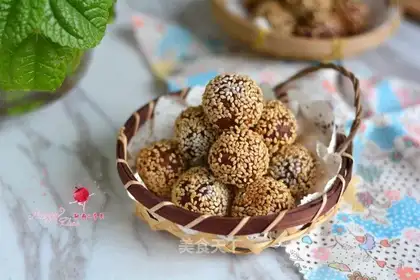 Potato sesame ball"
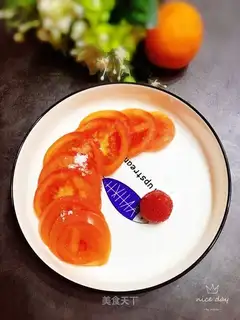 Sugar with tomatoes"
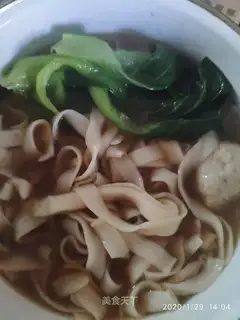 ♪ Squirty fish ♪"
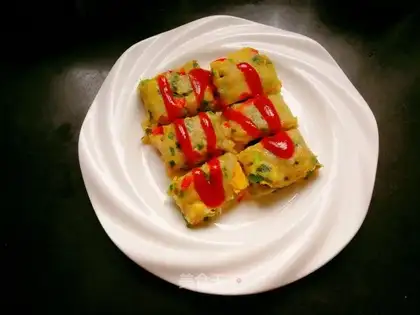 An egg roll with a pickle"
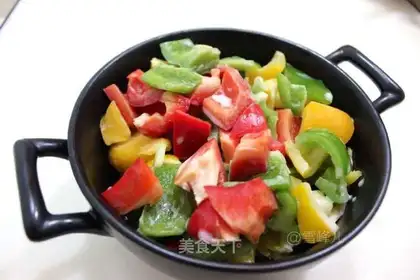 Pepper salad"
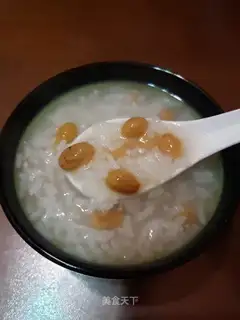 Porridge raisin"
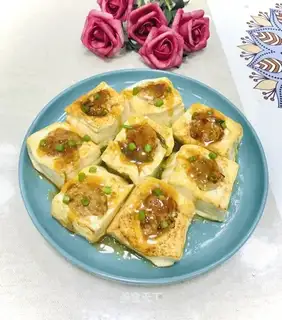 Fried tofu"
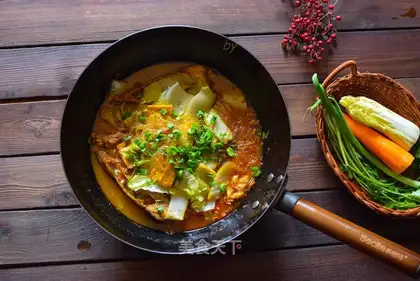 Fish tofu fans"
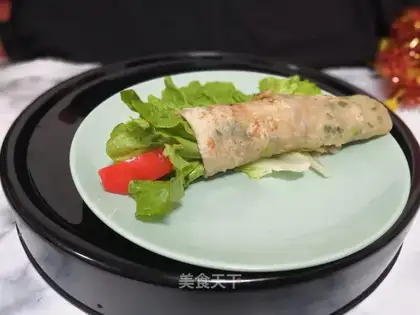 Beef pickles"
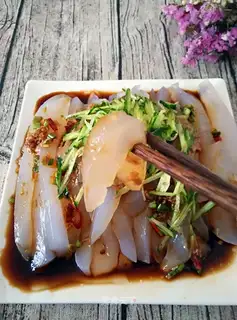 It's sour"