In the world of superfoods, some nutrients earn their "royal" status not by being flashy, but by embracing darkness—proving that deeper hues often mean greater power. Take anthocyanins, the pigments that paint berries, eggplants, and black rice in deep purples and blacks. These compounds are more than just visually striking; they are potent antioxidants that combat oxidative stress, reduce inflammation, and support heart health. Blackberries, for instance, pack twice the anthocyanins of their lighter-colored relatives, making them a frontline defender against cellular damage.
Then there’s chlorophyll, the "blood of plants" that gives spinach, kale, and matcha their rich green hues. While not black, its dark concentration signals a density of vitamins, minerals, and detoxifying properties. Studies suggest chlorophyll aids in heavy metal chelation and may even inhibit cancer cell growth. Similarly, black garlic, aged until its cloves turn soft and ebony, amplifies allicin (a sulfur compound with antibacterial benefits) while losing pungency, gaining sweetness, and boosting bioavailability.
Even cacao, the base of dark chocolate, thrives in darkness. Its high flavonoid content, responsible for its bitter profile, is linked to improved cognitive function and lower blood pressure. The darker the chocolate, the higher the cacao content—and the greater the nutritional payoff.
These dark-hued wonders remind us: nature’s most potent treasures often wear their value on their sleeve—or, rather, their skin. From berries to garlic, their richness is a testament to the adage that good things, indeed, come in dark packages.
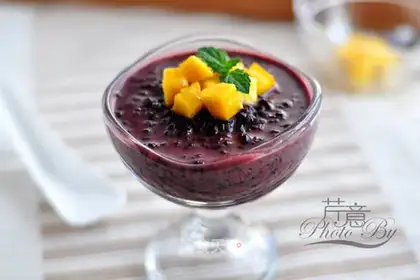 Mango coconut, black rice"
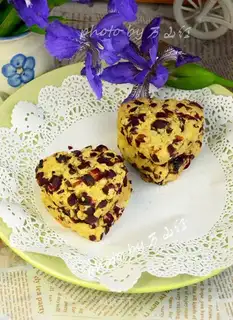 Rose waffles"
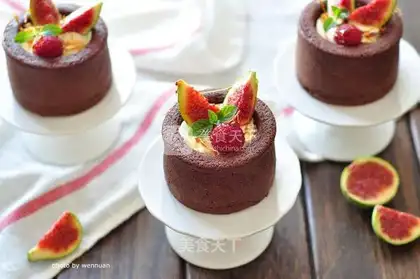 Fort Merke"
 Black-skinned candy"
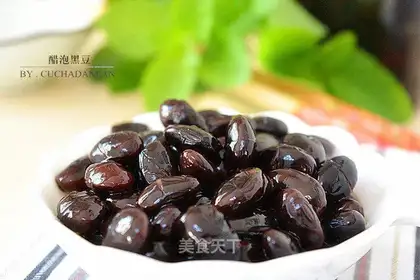 Jealous and black beans"
 Peach cookies"
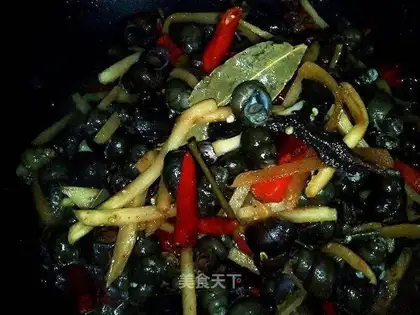 The snail"
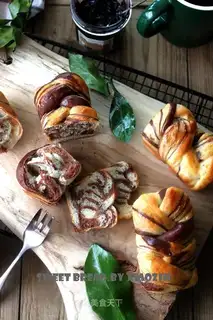 Coco double toast"
 Bacon snack"
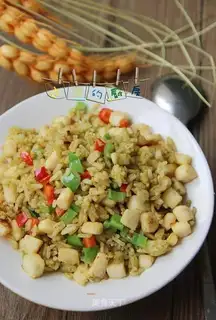 ♪ Curry rice and bouquet ♪"
 Toast"
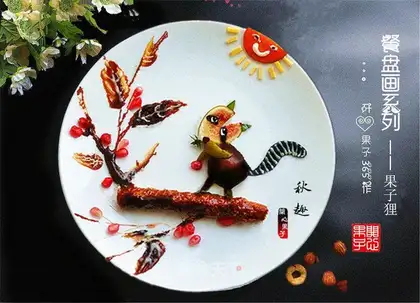 Autumn in a puzzle"
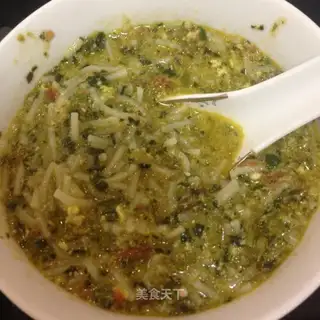 Comprehensive nutrition"
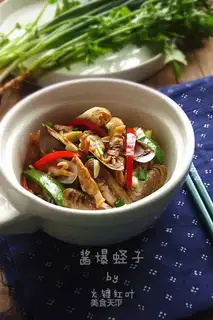 It's a hot sauce"
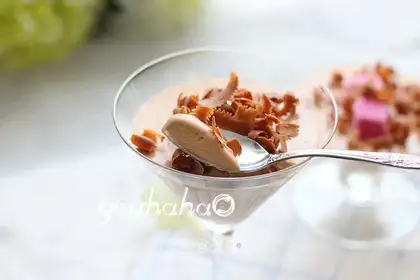 Chocolate Moose"
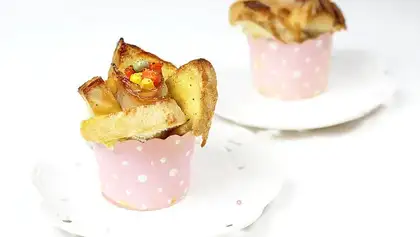 Toast eggs"
 Mini shrimp veggie pizza"
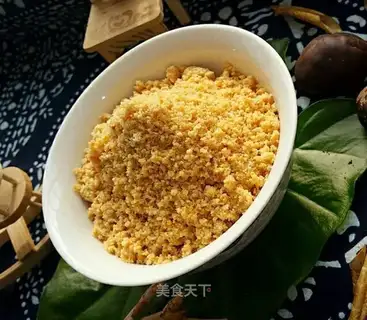 Peanut salt"
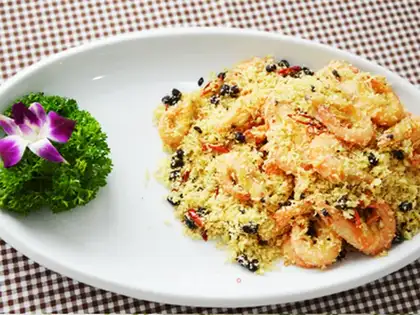 Pond shrimp"
 Vacuate herring"
 Ham sprouts"
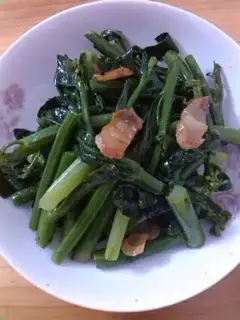 I'll make a mustard"
 Duck eggs and powdered skin"
 Tomato fried eggs"
 Spicy intestines"
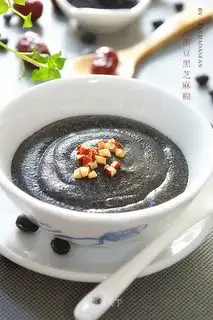 Black bean sesame paste"
 Shrimp chicken casserole"
 Black malt"
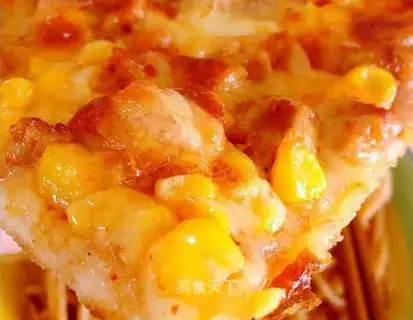 Chicken pizza"
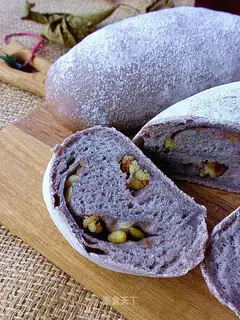 A pecan pine bag of black wheat"
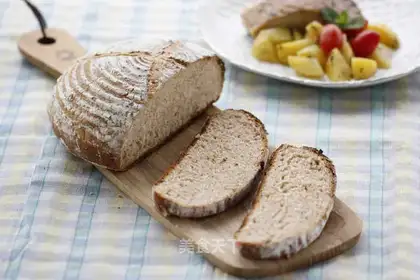 Black and French country bread"
 The silver spoon"
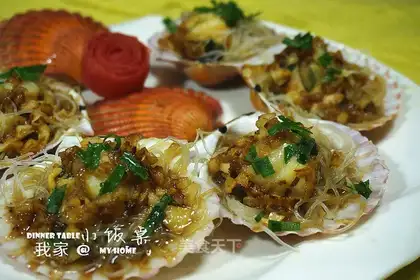 Garlic scallops"
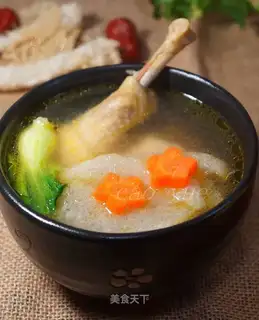 Chicken soup"
 Make your own soy sauce"
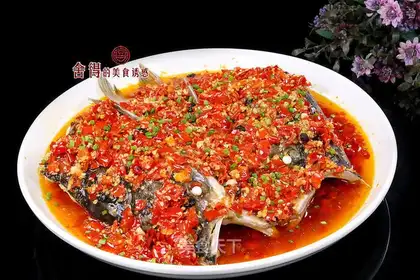 Pepper chopper head"
 Black gallon almond"
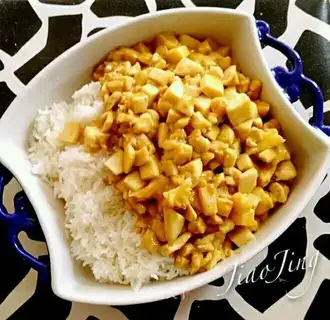 Curry chicken chest mushrooms"
 Sydney's ass drink"
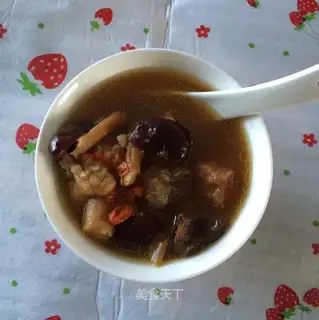 Steak soup"
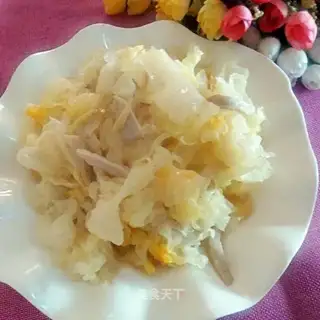 Silver ears"
 Potato bag"
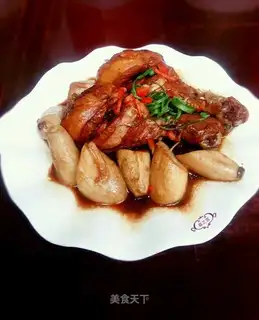 The apricot"
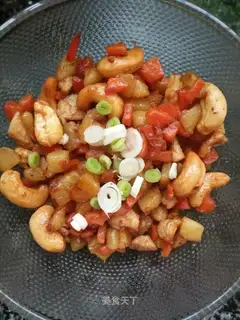 Five-coloured cashew nut chicken"
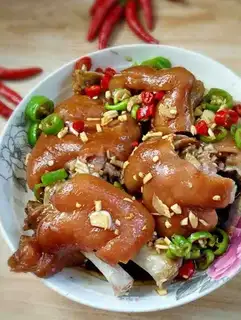 Spicy pig hoof"
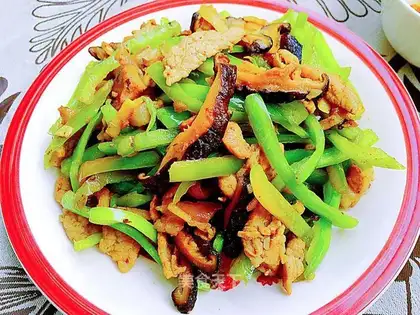 Pepper mushroom meat"
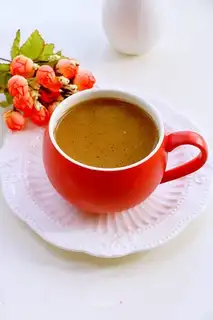 The silver spoon of red dates"
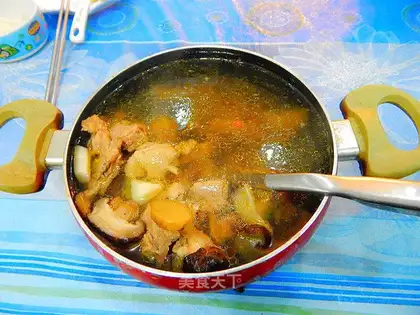 Chicken soup"
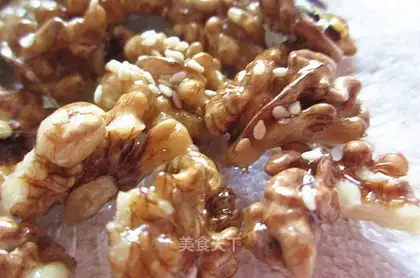 Amber walnuts"
 Tomato cod"