The old Chinese saying “Eating radish in winter is better than ginseng” holds profound wisdom, rooted in traditional health practices. Winter, with its cold, dry air, often weakens the body’s immunity and digestive functions. Radish, a common yet mighty root vegetable, emerges as a natural remedy to counter these seasonal challenges.
Rich in vitamins C, B6, and folate, radish boosts the immune system, helping the body fend off colds and flu. Its high fiber content aids digestion, alleviating the bloating and indigestion that often result from heavy winter meals. What truly sets radish apart is its unique compound, glucosinolate, which supports respiratory health by reducing inflammation and clearing mucus—crucial for combating winter dryness.
Unlike ginseng, which can be potent and costly, radish is affordable, versatile, and gentle on the body. It can be stir-fried, stewed, or even eaten raw, making it easy to incorporate into daily diets. Whether in a warm soup or a crisp salad, radish nourishes from within, balancing the body’s “yin” and “yang” in traditional Chinese medicine.
In essence, radish is a winter superfood, offering a simple, accessible path to health that rivals even the most prized tonics. Its humble power reminds us that nature often provides the best solutions for seasonal well-being.
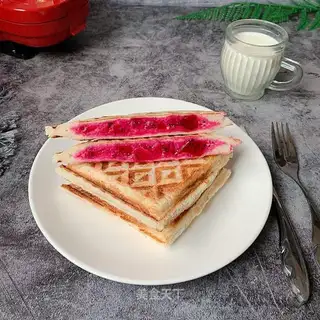 Flamingo yogurt sandwich"
 Pumpkin corn juice"
 Orléans"
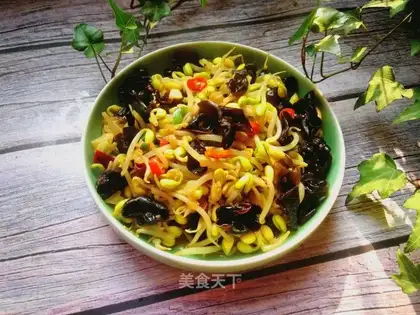 Soybeans"
 The halogenated quail egg"
 Potato ball"
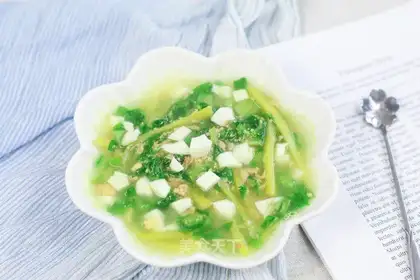 Go to the barley"
 Sour radish"
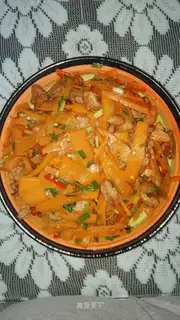 Carrot"
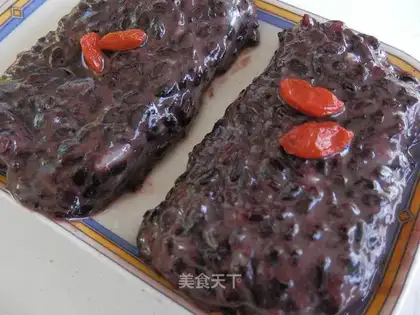 ♪ I've got ♪"
 Applewater"
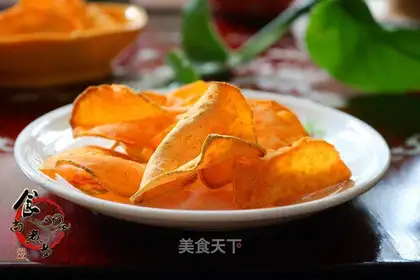 Baking red chips"
 Milk stew"
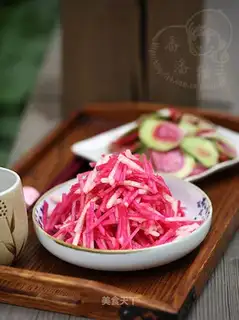 Sweet and sour radish pear shredded"
 Ham egg cake"
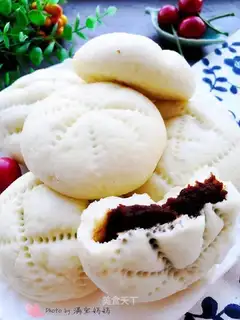 Bean bag"
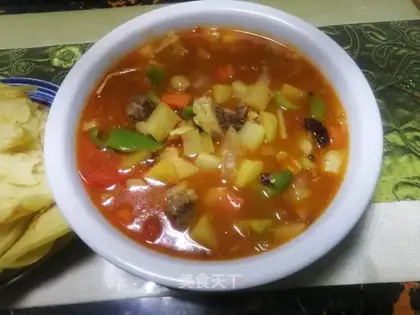 radish ketchup"
 Fish play Lotus Pond"
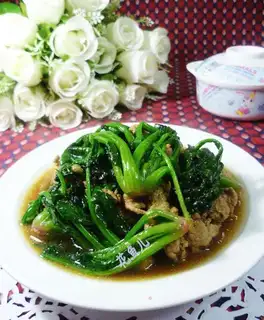 Skinned spinach"
 Weenie veggies"
 Shrimp fried eggs"
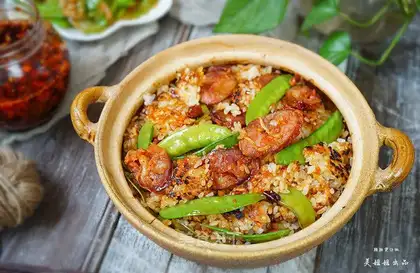 Weenie Dutch beans"
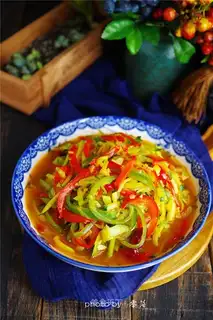 Twin pepper pumpkins"
 Lian Yum rice meatballs"
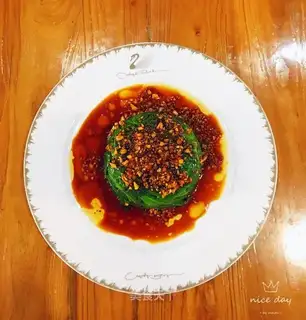 Ginger spinach"
 Coke ribs"
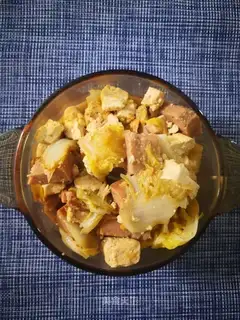 Bean curd with cabbage"
 Shrimp and celery"
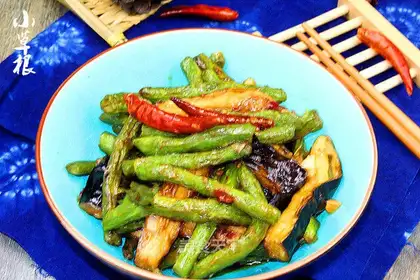 ♪ Four seasons of beans and eggplant ♪"
 Hot pancakes"
 oatmeal sesame"
 Blueberry cheese toast"
 I'll make some cake"
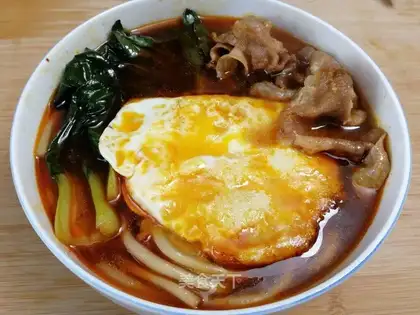 Spicy, fat cow potatoes"
 Dove potato salad"
 Stir radish skin in a stir-fried manner"
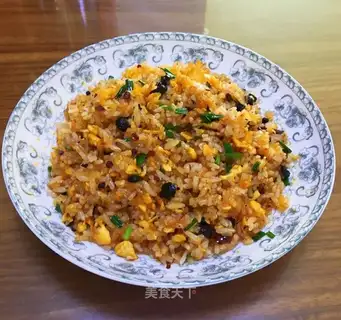 Godmother's making a fool of himself"
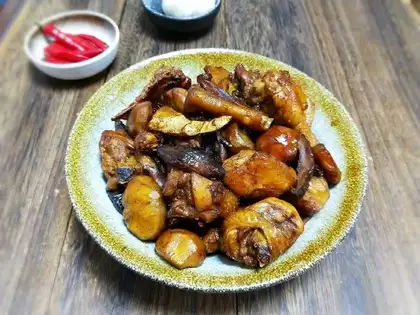 Chestnut chicken"
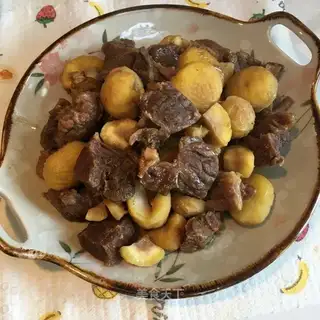 Crunch roasted the cow"
 Horseshoe Sydney Sweets"
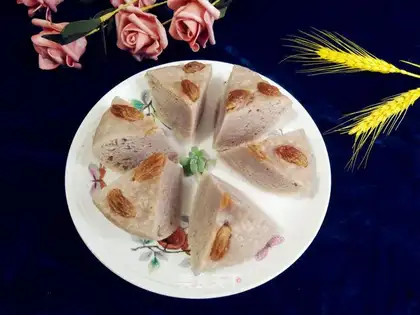 Purple potato silver-eared chicken cake"
 Squeeze meat soup"
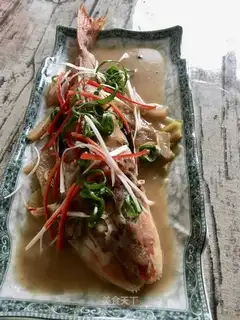 Rusty Rusty Redfish"
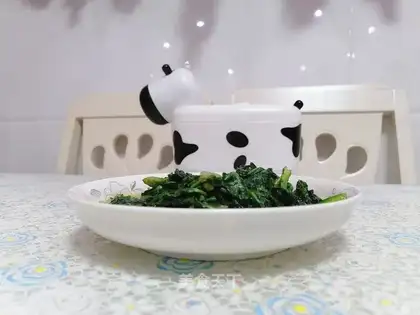 Sodium artery"
 Salt shrimp"
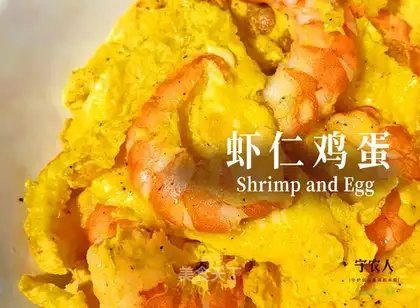 Shrimp eggs"
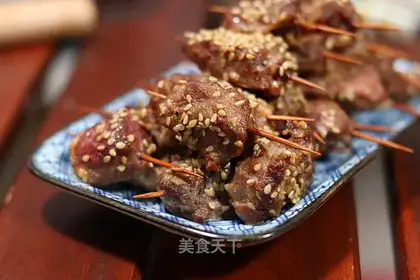 Toothpick beef"
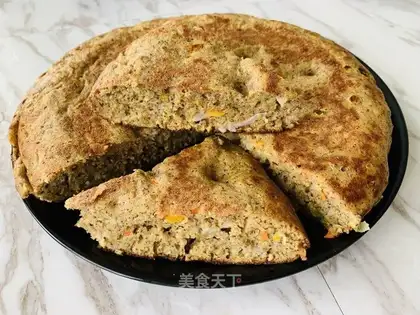 Pyramid, two metres of rye"
 Beanie chips for sausage"
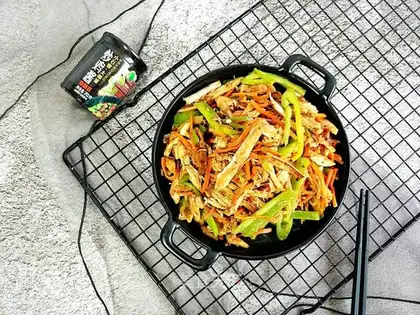 Delicious fried chicken"
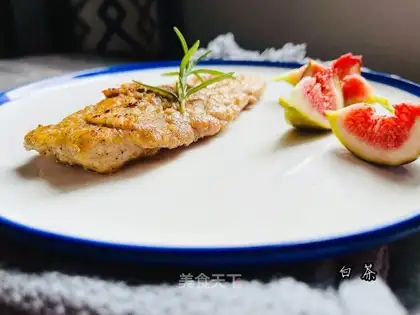 Fried pig ridge"
 Colored plum soup"
 Peas soup"
 Rainstone chocolate with heart and soup"
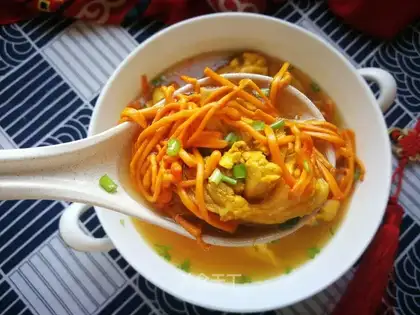 Chicken leg soup"
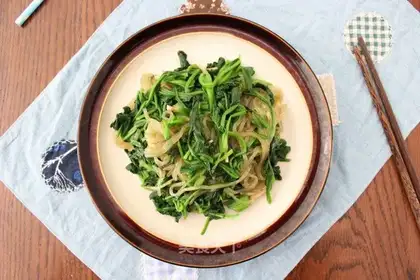 A spinach mix fan"
 Fried pork"
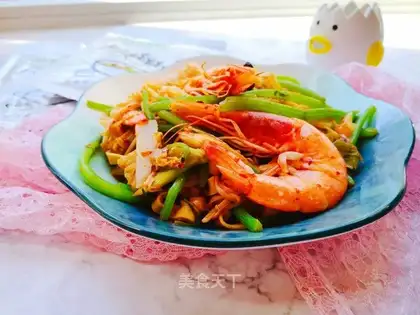 Spicy pot"
 Quaffle"
 Six inches and a twilight cake"
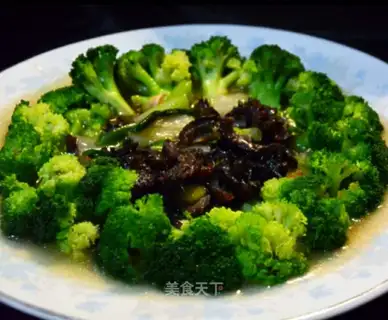 Sea cucumbers for broccoli"
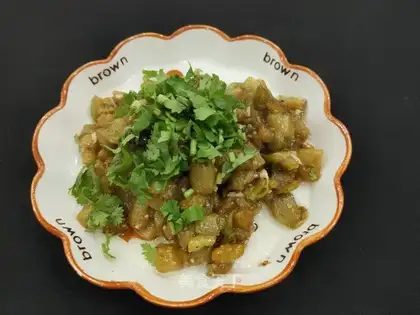 Fried eggplant"
 ♪ When you're soft ♪"
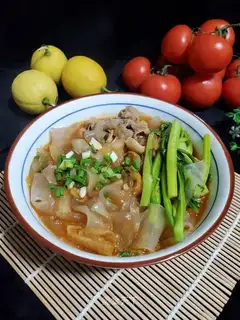 Powder-cow-cow"
 Family version of Buffalo chicken wings"
 Fresh crabs"
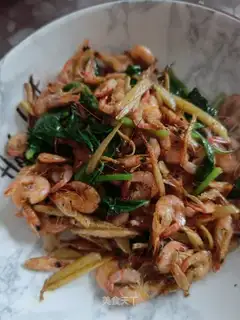 Chon-seok"
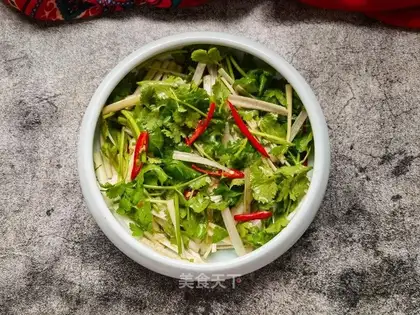 The fragrance is white"
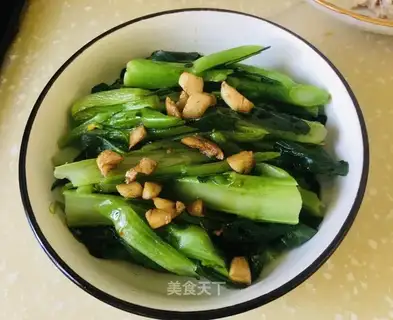 Garlic oil for mustard"
 French sweet bread"
 Roach stew"