Once symbols of childhood nostalgia, the "Calabash Brothers" reveal a surprisingly nuanced narrative upon revisiting. Far from one-dimensional heroes, they embody a spectrum of personalities and flaws that mirror human complexity.
The eldest,大红, embodies dutiful leadership but often lacks flexibility, relying on brute strength over strategy. 二娃, with his "千里眼" and "顺风耳," represents surveillance yet is vulnerable to manipulation, hinting at the dangers of unchecked perception. 三娃, "铁娃," showcases unwavering resilience but also stubbornness, reminding us that strength without adaptability can be a double-edged sword.
Even the youngest, 小娃, though seemingly naive, possesses unique wisdom, challenging the notion that vulnerability equals weakness. Their individual weaknesses—大红’s impulsiveness, 四娃’s fire’s unpredictability, 五娃’s water’s uncontrollable force—collectively underscore a deeper theme: unity thrives not on perfection, but on balancing complementary flaws.
Beyond their battles with the Snake Demon, the Calabash Brothers subtly critique blind obedience to hierarchy and the cost of prioritizing collective goals over individual growth. In reimagining them, we find not just fairy tale characters, but a timeless allegory: true strength lies in embracing imperfection and leveraging diversity. Their legacy, it turns out, is less about saving the world, and more about teaching us to save ourselves—by understanding, and accepting, the "calabashes" within.
 Fried beef"
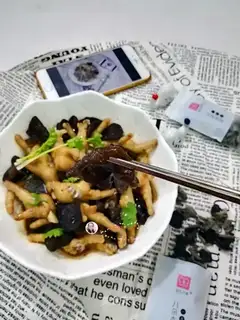 Wood-eared chicken feet"
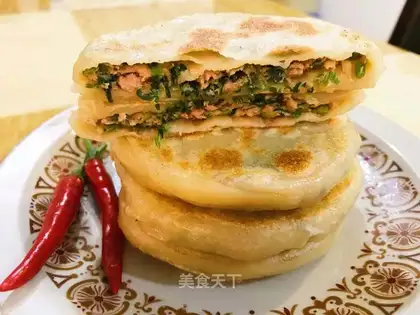 Celery pork pie"
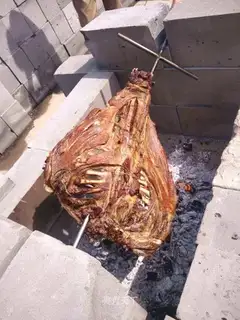 Roasted lamb ribs"
 Roach duck blood soup"
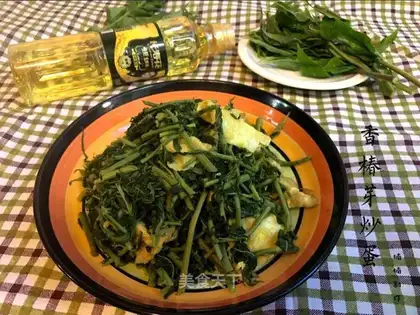 Sprouts and eggs"
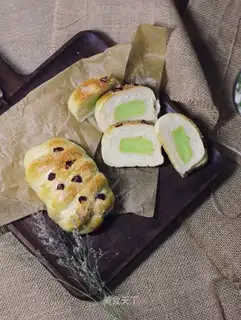 Cake bread"
 A bouquet soup"
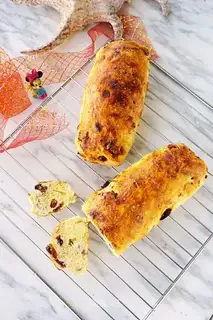 Sicilian lemon nut bread"
 Bacon fried rice"
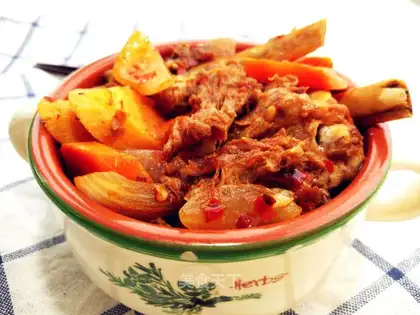 Spicy back to the lamb"
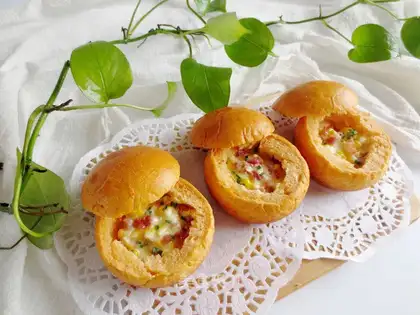 Tomato salt bread"
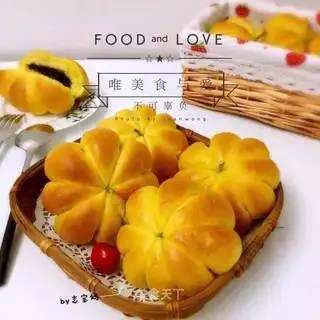 Super pumpkin"
 Vegetable cheese rice"
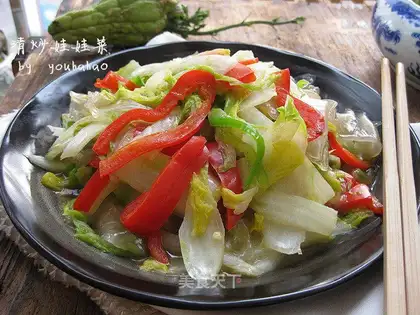 Cleaning up doll food"
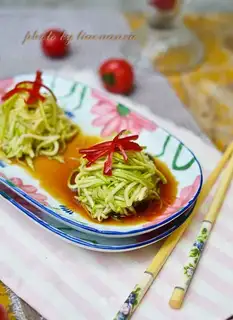 I'll get you some water"
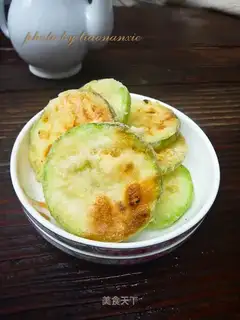 Fried Zippo"
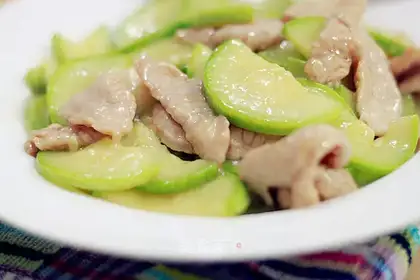 Cracker meat"
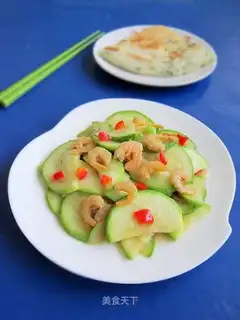 Shrimp-shrimp"
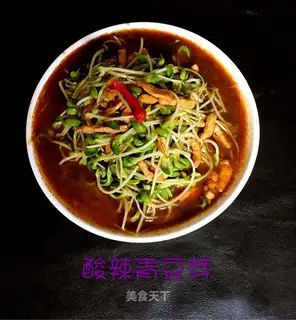 Sour sprouts"
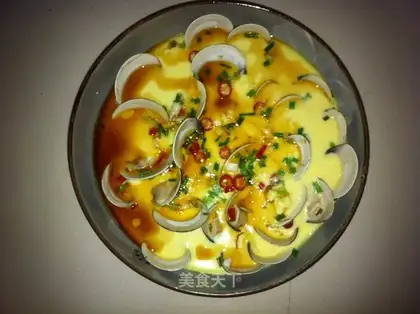 Slurping eggs"
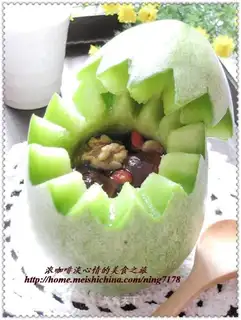 Melon five-fruit soup cup"
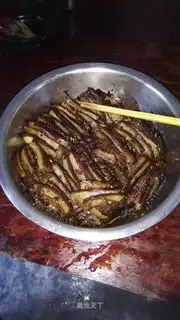 Burn"
Burn"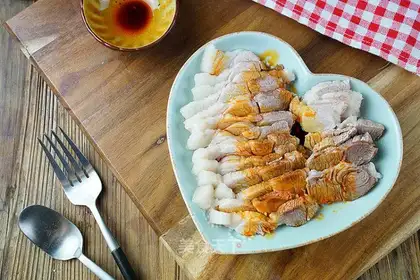 The sauce is white"
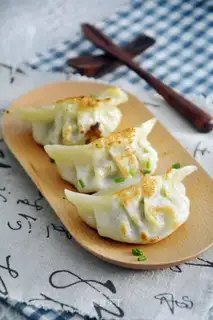 Porridge pork dumplings"
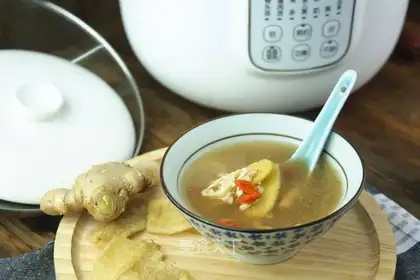 Pork stew"
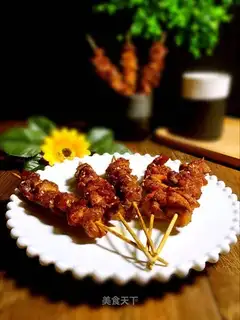 Spicy roast"
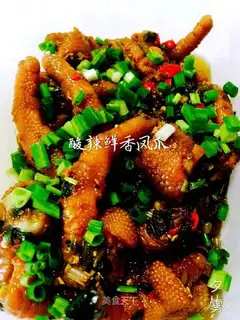 Spicy claws"
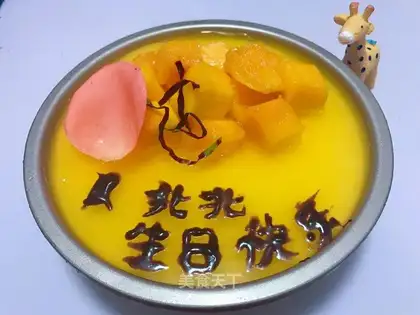 Mango Moose"
 Corn blossoms"
 Blueberry Muse"
 A sandwich"
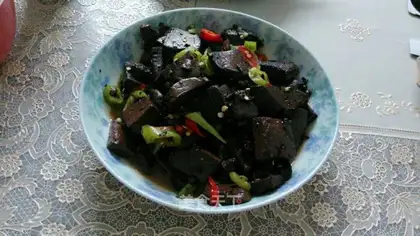 Piggy blood"
 All wheat toast"
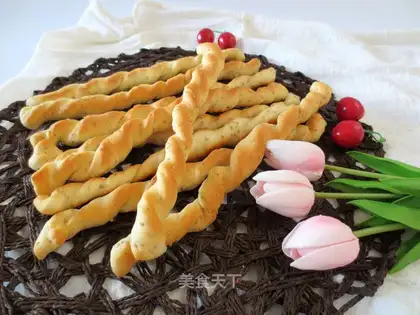 The fragrant bread bar"
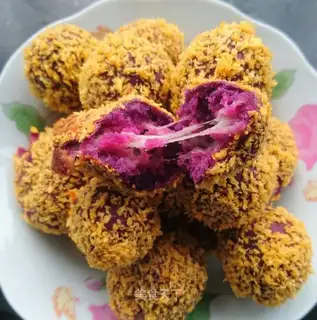 Potato cheeseball"
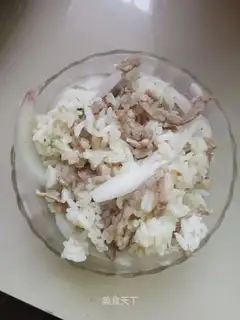 Measles and rice"
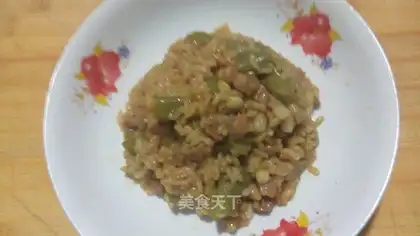 Soybean rice"
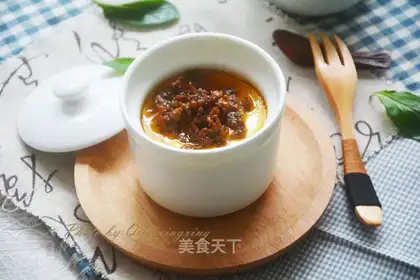 Meat and eggs"
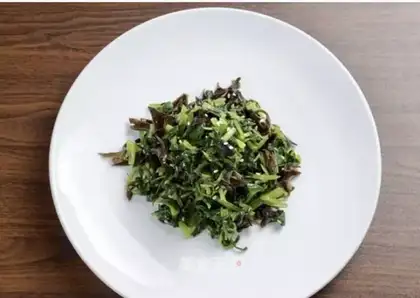 Celery leaves with black ears"
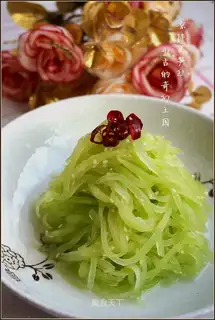 It's cold"
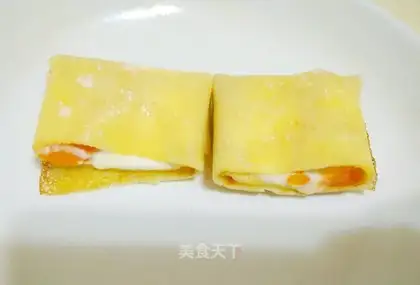 Mango Band"
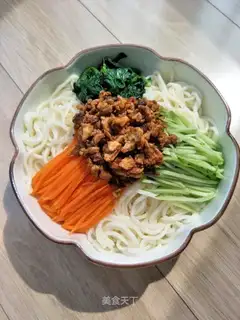 Fried noodles"
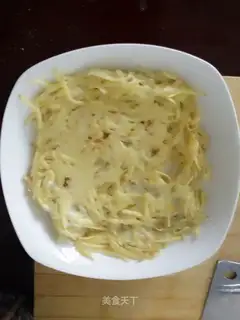 Potatocakes"
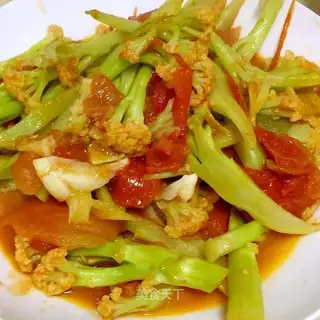 Tomato blossoms"
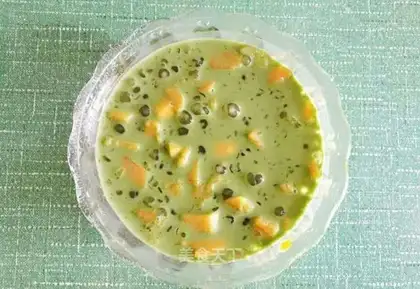 The mango similiau"
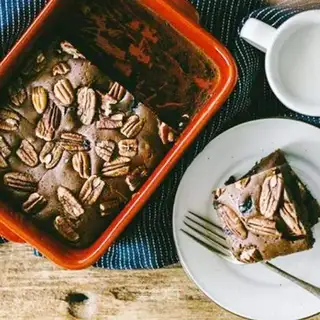 Brownie"
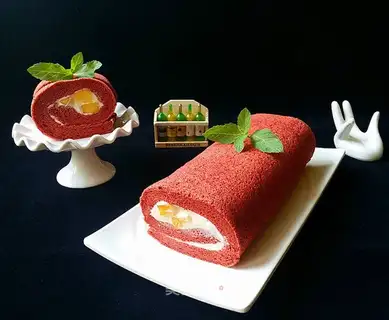 Red velvet cake rolls"
 Milk steamed eggs"
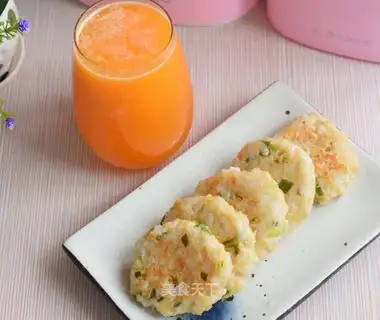 Tofu leftover pancakes"
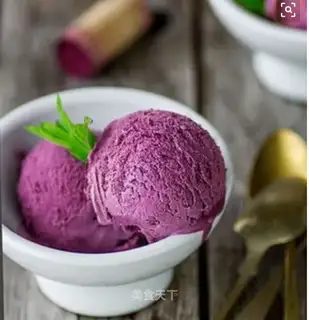 Red ice cream"
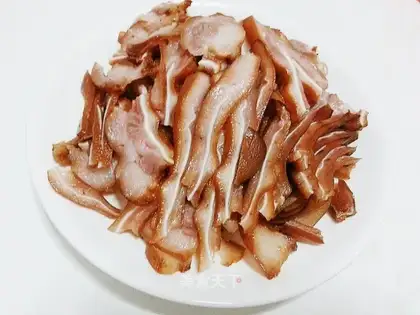 Five fragrance pig ears"
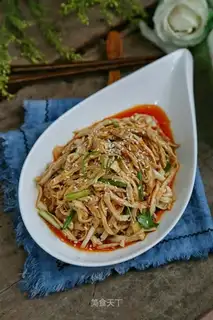 A greasy chicken silk"
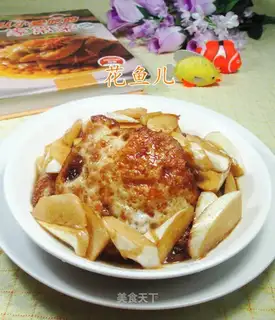 White-hot eggs"
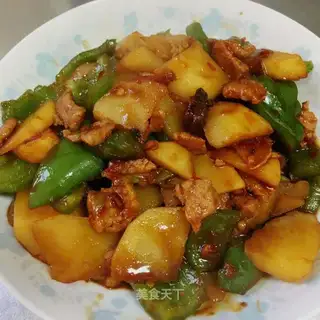 Fish fragrance potato peppers"
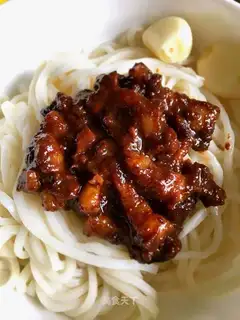 Fried noodles"