Mini vegetables, often called microgreens or baby veggies, are tiny but pack a surprising nutritional punch. Grown from the seeds of herbs, vegetables, or grains, these young plants are harvested at an early stage, usually when their first true leaves appear. Despite their small size, they are dense in vitamins, minerals, and antioxidants, making them a superfood in disguise.
Research shows that microgreens can contain up to 40 times higher levels of nutrients than their mature counterparts. For example, red cabbage microgreens boast six times more vitamin C than full-grown cabbage, while radish microgreens are rich in vitamin E and calcium. These tiny greens also offer a concentrated dose of beneficial plant compounds like polyphenols, which help fight inflammation and chronic diseases.
Beyond nutrition, mini vegetables add vibrant color and bold flavors to dishes, enhancing both visual appeal and taste. They are easy to grow at home, require minimal space, and can be incorporated into salads, smoothies, or as garnishes. Their quick growth cycle and high nutrient density make them a sustainable and efficient choice for healthy eating.
In a world where nutrient-rich food is key to wellness, mini vegetables prove that good things truly come in small packages. By adding these microgreens to your diet, you can boost your nutrient intake effortlessly while enjoying their fresh, delicious taste.
 A tea twilight cake"
 Beef skates"
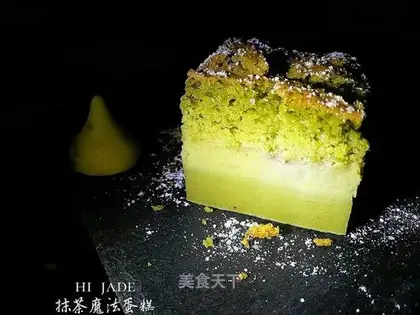 Tea magic cake"
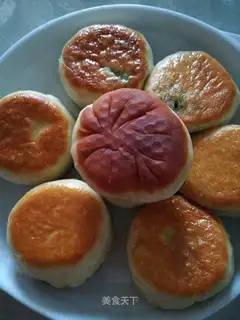 Soccer"
 Eggstick"
 A salad pine pine cake"
 Light milk cookies"
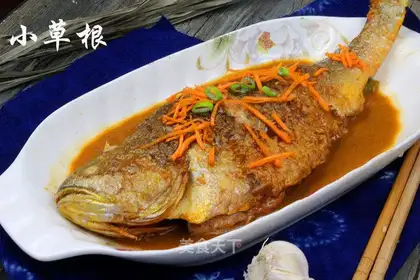 There are fish all the time"
 Pumpkin rice"
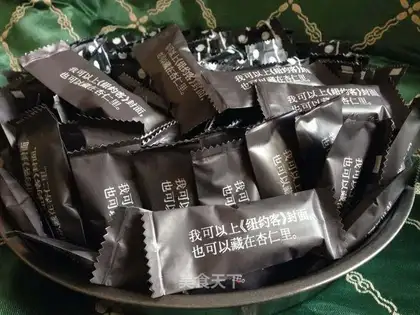 Coffee Cow Rolling Sugar"
 Roasted chicken"
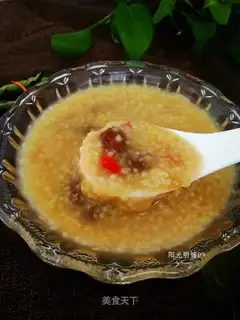 Peaches and rice porridge"
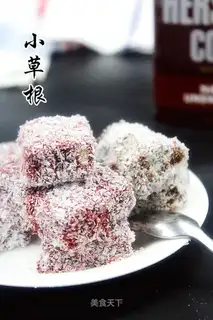 Austral Lemington"
 Cheese bread"
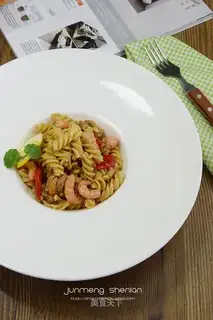 Big pair of shrimp sauce and pasta"
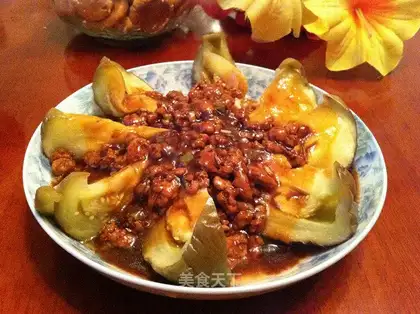 Meat and eggplant"
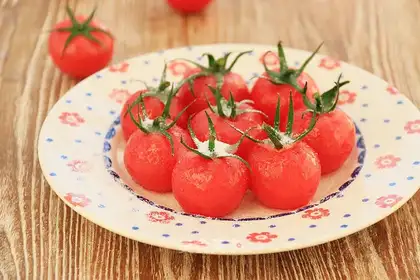 Frosty tomato"
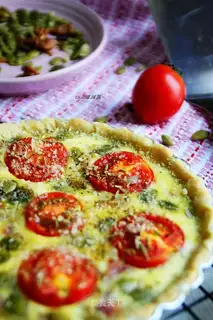 Tomato bacon cheesetta"
 Honey tomato"
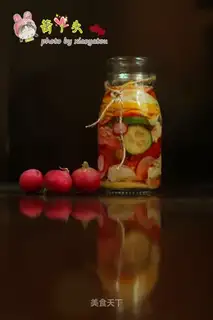 Jealousy cherry carrots"
 Cranberry cookies"
 Lemon mint tea"
 Vegetable omelet"
 Six inches of light cream in the air"
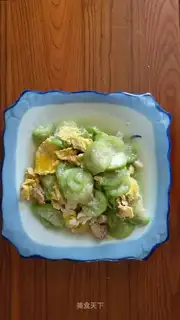 Smelting eggs"
 Ice melon juice"
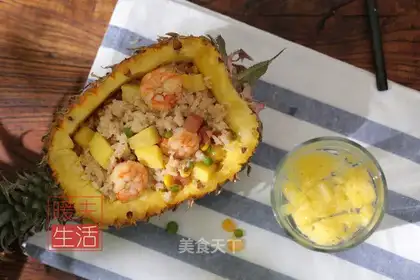 Pineapple rice"
 Peach and jam bread"
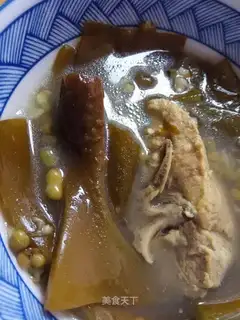 The fresh sea with green bean bone soup"
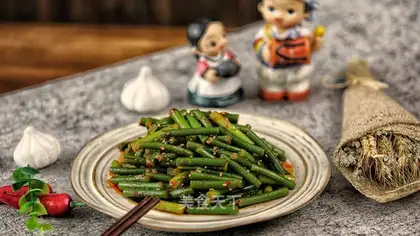 Garlic"
 Cowbread"
 Cream spinach sandwich"
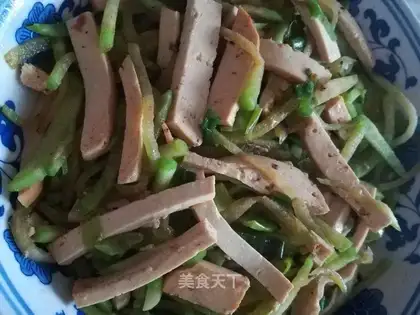 Tofu and radish"
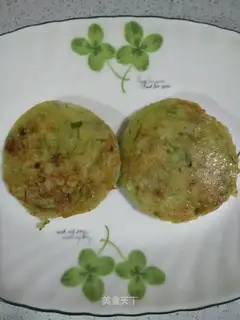 Carrot"
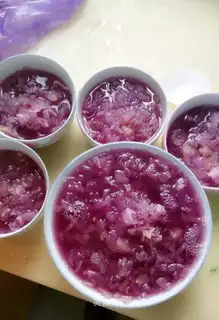 Spam, ice cream, silver ear soup"
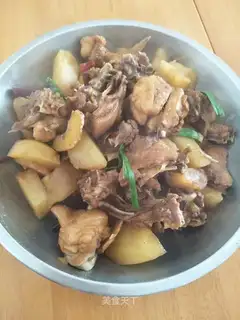 Potato chicken"
 Red burning lion head"
 Chicken calves"
 Roasted chicken wings"
 It's the black soy"
 Breakfast burrito"
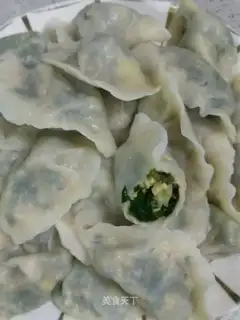 Cream eggs, mushroom shrimp dumplings"
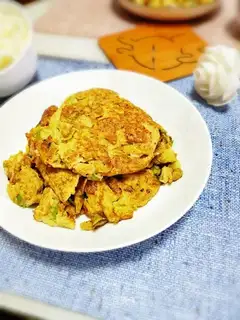 Soy fried eggs"
 Beef omelet"
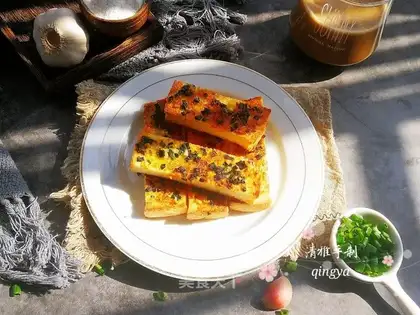 Scribble garlic toast"
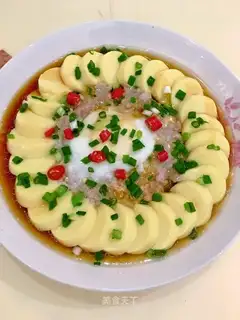 Tofu folly eggs in Japan"
 Sugar Jell-O"
 Shrimp mashed potatoesballs"
 Fried fish"
 Five peanuts"
 Yogurt ball"
 Light cream cookies"
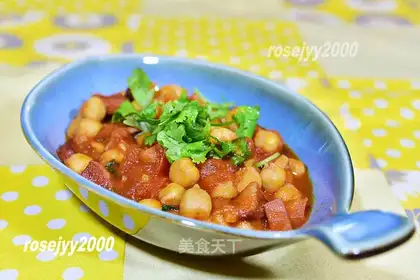 Eggplant"
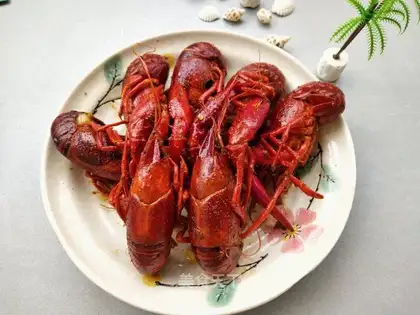 Spicy lobster"
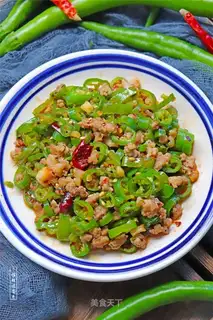 Spicy pepper"