The human face is nature’s most exquisite masterpiece, a canvas painted with infinite diversity that tells the story of our shared yet unique existence. No two faces are identical, each a symphony of features that blend biology, culture, and emotion into a singular portrait of identity.
Some faces are soft and rounded, with curves that echo warmth and approachability, like those of cherubs in Renaissance paintings. Others are angular and defined, with sharp jawlines and high cheekbones that convey strength or intensity. Skin tones, too, form a breathtaking spectrum—from the deep, rich hues of melanin-rich complexions to the fair, porcelain tones that catch the light like alabaster, each a testament to humanity’s global tapestry.
Eyes, often called the “windows to the soul,” vary widely: almond-shaped, wide-set, hooded, or deep-set, in colors of warm brown, cool blue, or hazel that flecks with gold. They crinkle into crow’s feet when we laugh, narrow in focus, or well up with unspoken words, revealing the emotions words cannot capture.
Noses, full or petite, straight or curved, shape the face’s profile, while lips—full and bold or thin and delicate—curve into smiles, frowns, or thoughtful purses. Even expressions transform faces in an instant: a grin can light up a room, a furrowed brow can signal concentration, and a gentle gaze can offer comfort.
In their endless variety, faces are more than physical features—they are maps of our stories, carriers of our history, and bridges to connection. They remind us that diversity is not just beautiful, but essential to the richness of human experience.
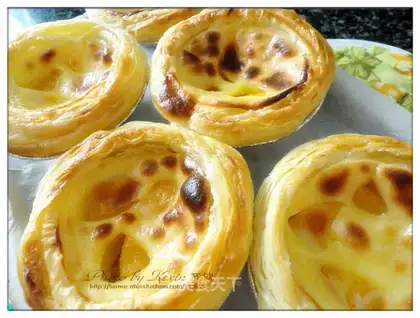 Yellow Peach Egg Tart"
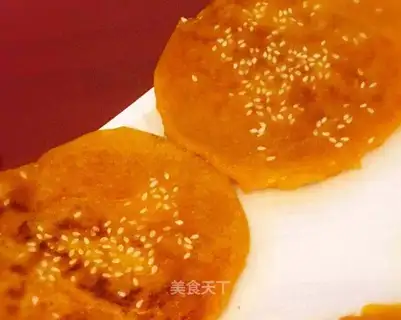 Pumpkin"
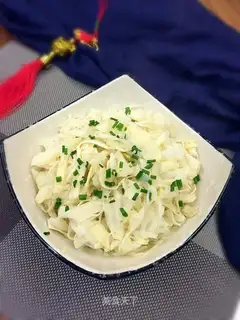 It's the meat"
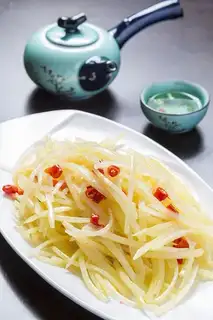 Spicy potatoes"
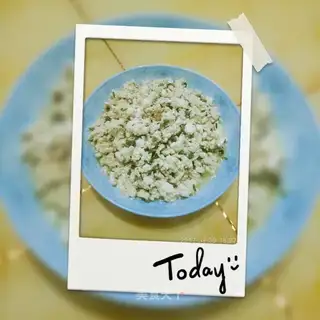 Scabbles"
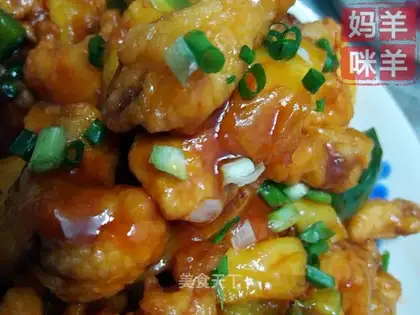 Pineapple grunt"
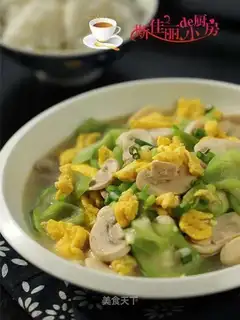 Sniffles, fried eggs"
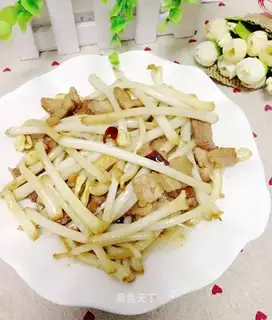 Peanut sprouts"
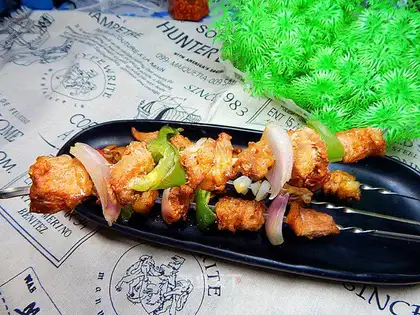 ♪ Rush the lamb ♪"
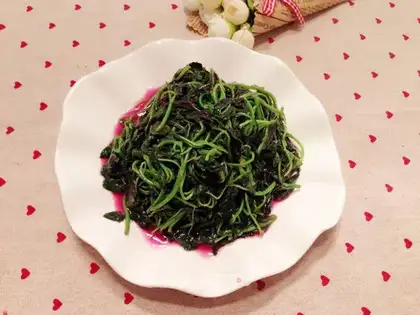 I don't know"
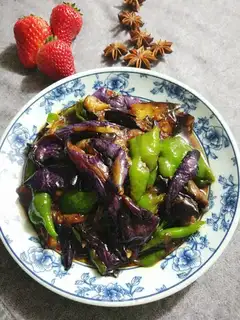 Cream pepper cheese"
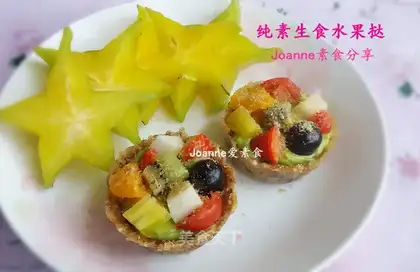 Poisoned fruit dumplings"
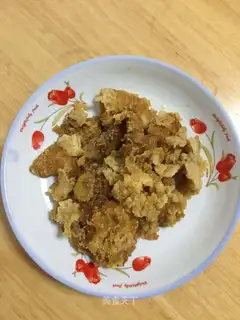 Dust"
Dust"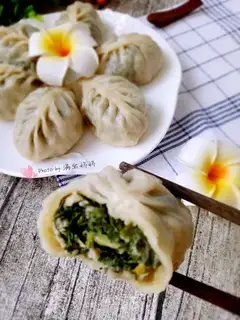 Scrambling"
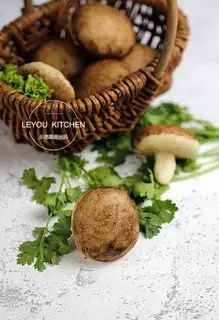 Mushroom bag"
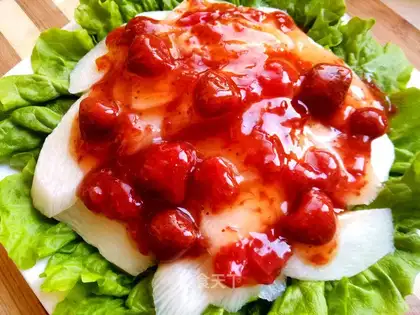 Strawberry sauce"
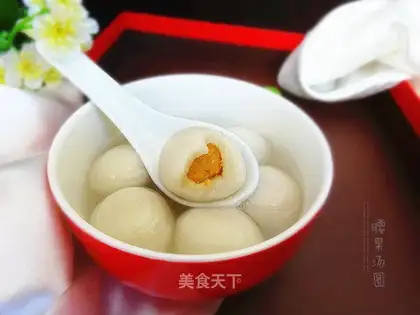 Powdered rice"
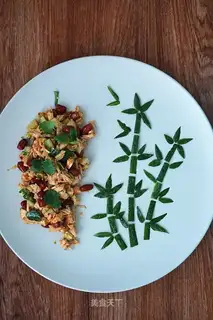 Takeshi is safe"
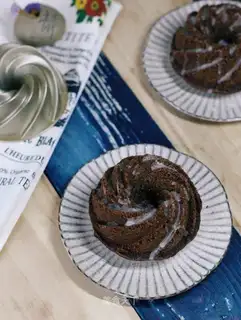 Black rice cyclone cake"
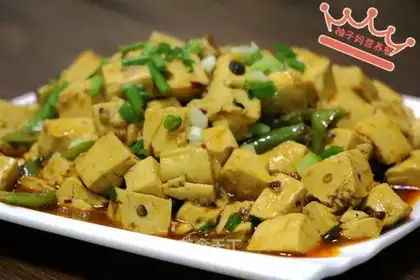 Tofu"
Tofu"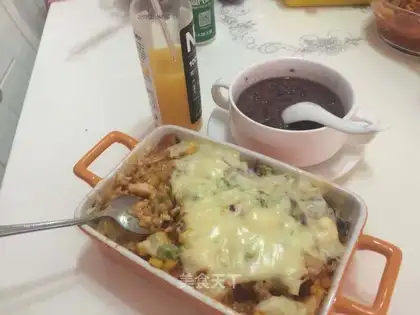 ♪ Quixen seafood ♪"
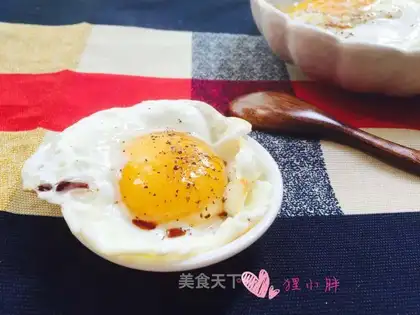 I don't know"
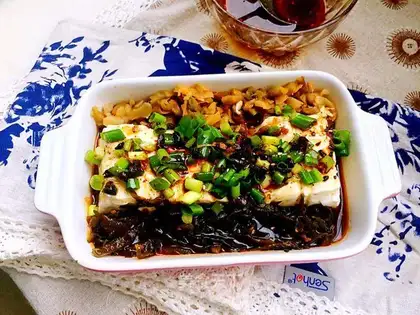 It's so simple"
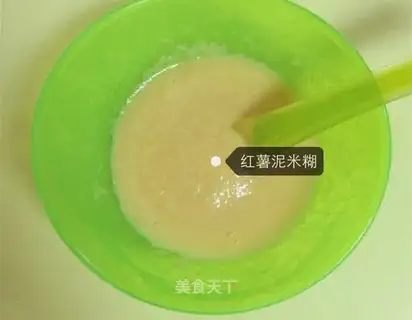 Red mashed potatoes"
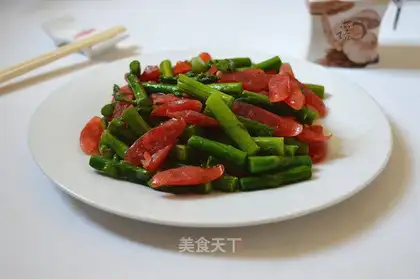 Weenie fried"
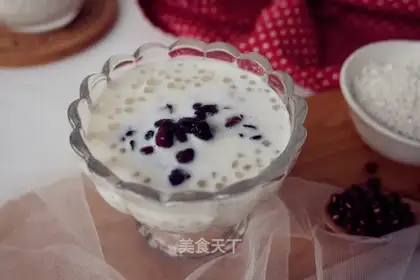 Milk, red beans, Simillo"
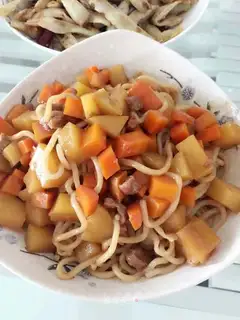 Fried noodles"
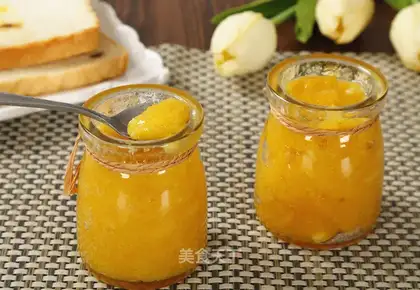 Pineapple jam"
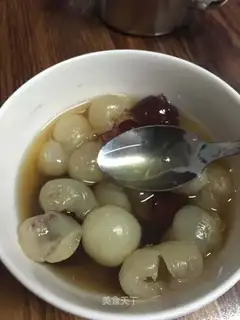 Red-tree confectionery soup"
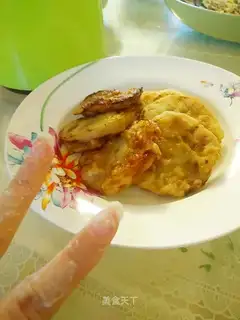 Fry box"
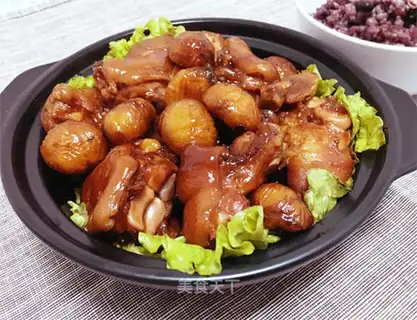 Crumbs burn pigs' feet"
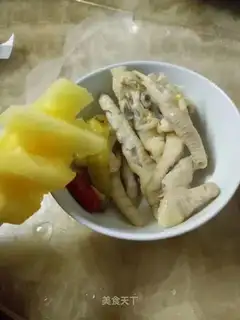 Lazy puffs"
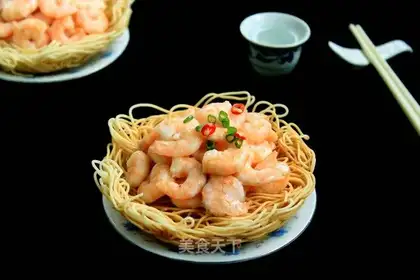 Bird's nest shrimp"
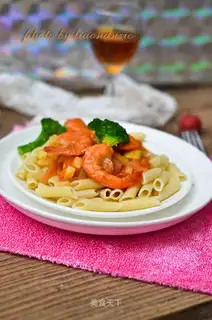 Shrimp pasta"
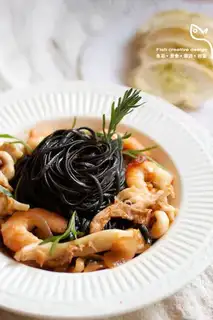 Squirty pasta"
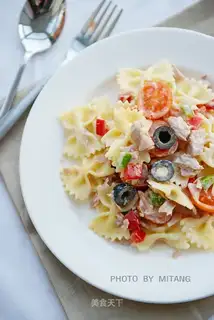 Tuna pasta salad"
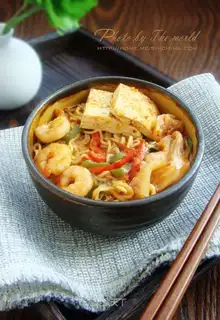 Pickled instant noodle pot"
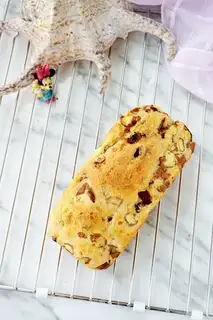 Pineapple cranberry bread"
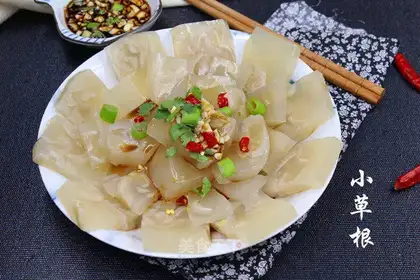 Frozen"
 Descendant"
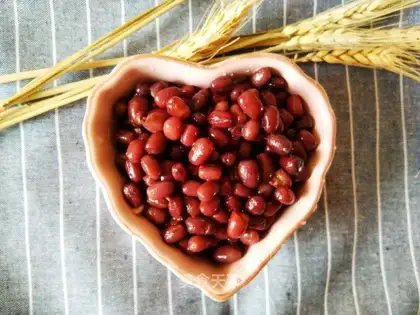 Honey Bean"
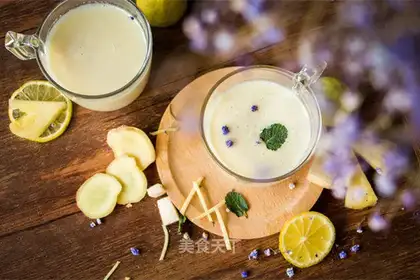 Fruit juice"
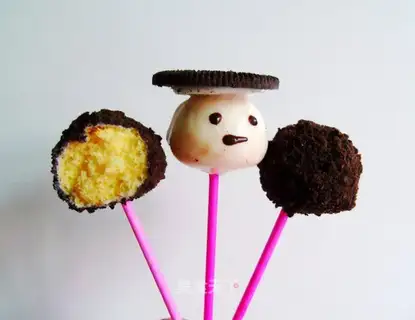 Lollipop cake"
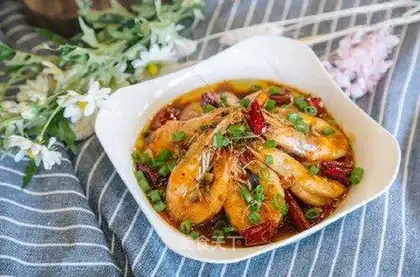 Potato spicy shrimp"
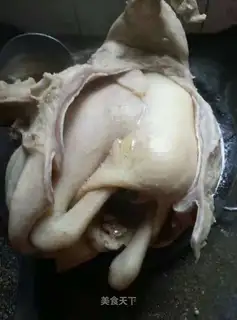 Piggy belly chicken"
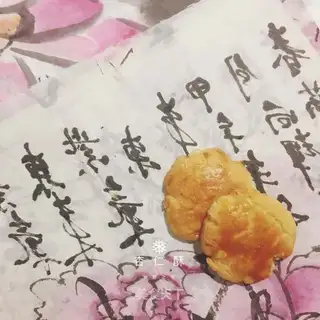 I'm a nut soufflé"
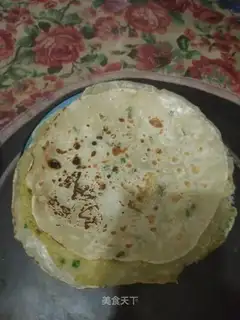 Bread"
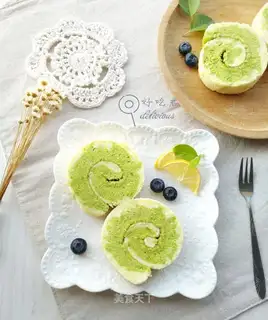 A spinach whirlwind roll"
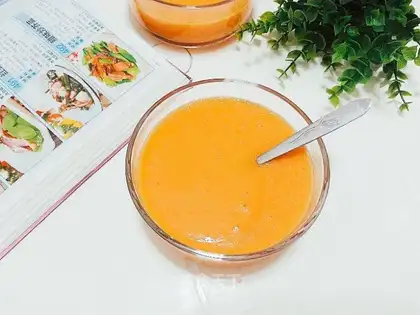 Potato soup"
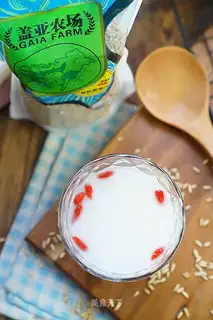 Oatmeal milk"
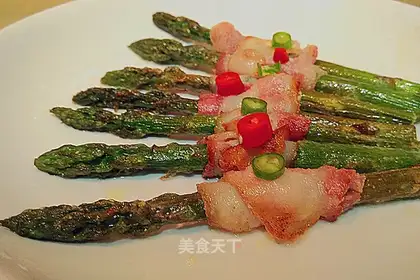 Bacon"
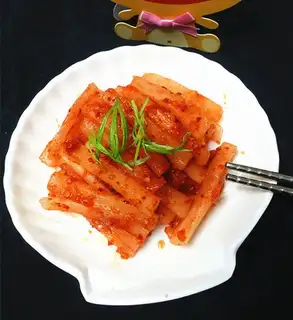 Korean carrots"
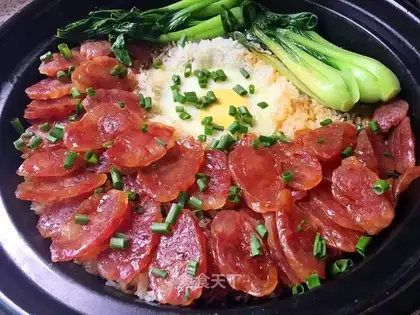 It's delicious"
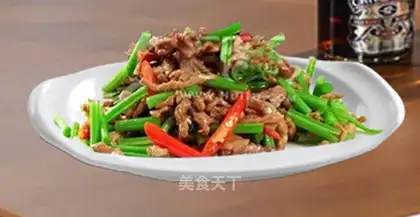 The veal silk"
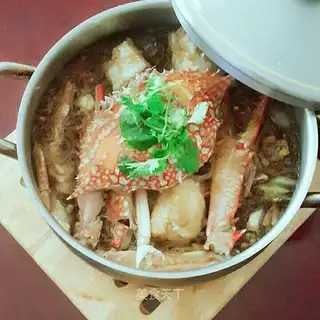 Crab fans"
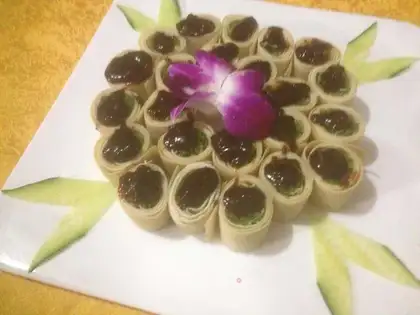 Scrambled tofu"
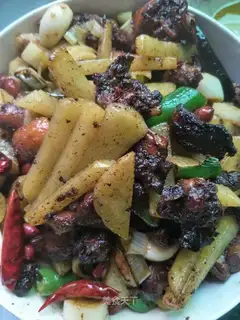 Kung Fu Chicken"
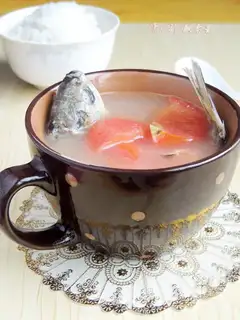 Tomatoes and fish soup"
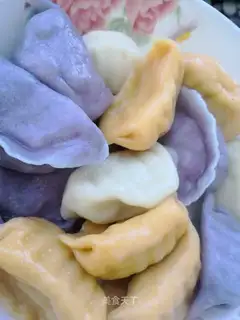 Three-colour dumplings"
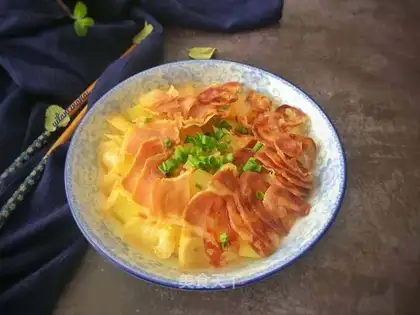 Steam potatoes"
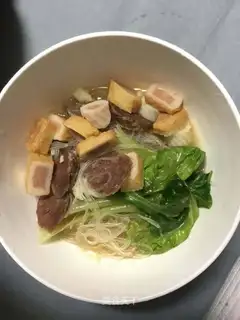 Rice"
Rice"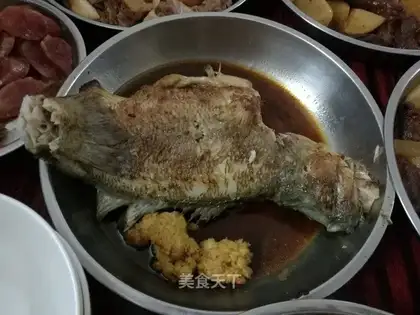 Fried bass"
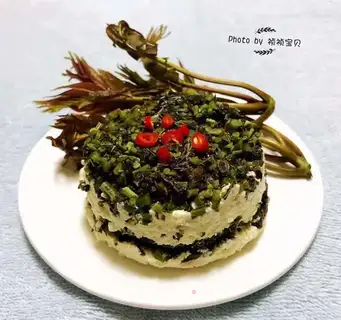 The fragrance tofu"
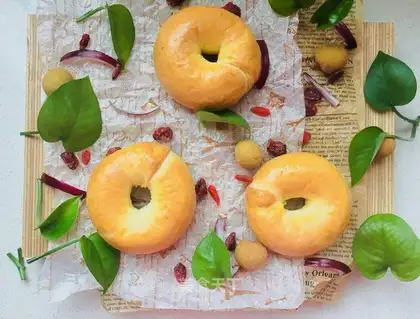 Pretentious fruit"
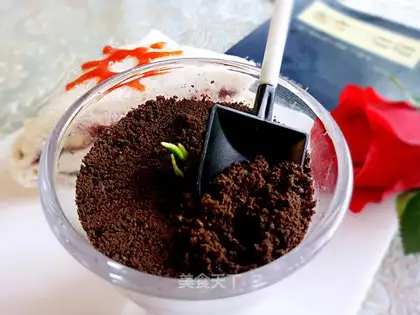 Battery fruit salad"
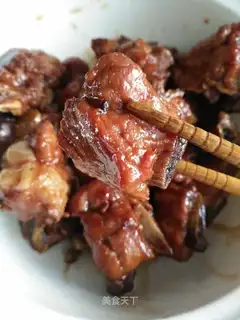 Sugar vinegar ribs"
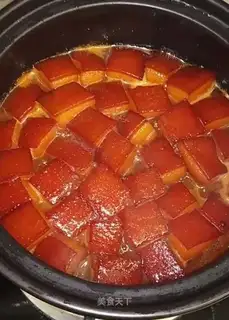 A casserole"
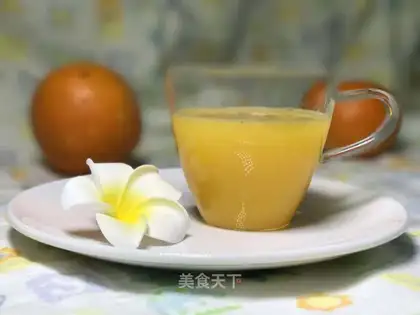 Fresh orange juice"
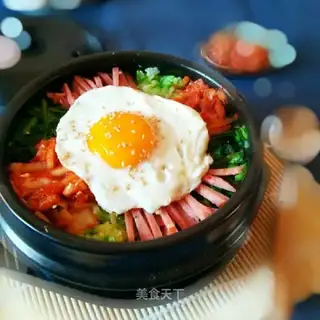 Rock pan rice"
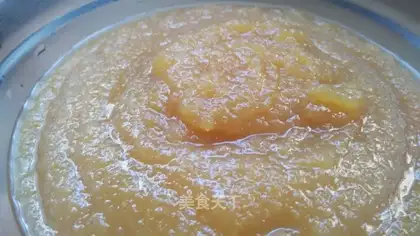 Apple jam"
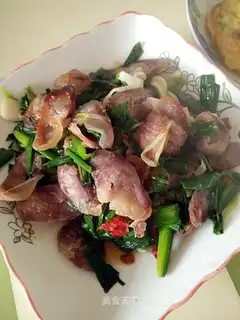 Garlic fried sausage"
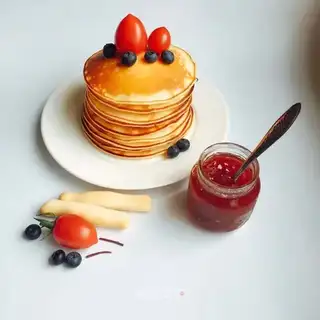 Frozen fermented muffins"