Among the myriad Chinese cooking techniques, steaming, or "zheng," stands as a timeless testament to precision and patience. Often called the "gentlest art," it relies on water vapor’s gentle heat to transform ingredients, preserving their natural flavors, textures, and nutrients—a philosophy that elevates it from a method to a mastery.
The magic of steaming lies in its simplicity: a bamboo basket, boiling water, and time. Yet, its execution demands finesse. Chefs must master heat control—high flame for quick-cooking greens like bok choy, low and steady for delicate fish or tender pork belly. Ingredients are often marinated lightly, letting the steam infuse soy sauce, ginger, or rice wine, rather than masking them with heavy sauces.
From silky tofu pudding to succulent lion’s head meatballs, steaming yields dishes that are both visually elegant and wholesomely delicious. It exemplifies the Chinese culinary ideal of "balancing yin and yang," as food is cooked gently without excess oil. In a world of bold flavors, steaming reminds us that true mastery often lies in restraint—letting ingredients shine through the quiet power of steam. A humble technique, it is, indeed, a pinnacle of Chinese culinary artistry.
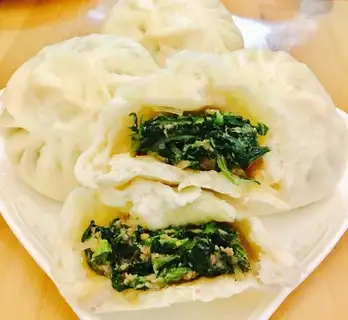 A cabbage bun"
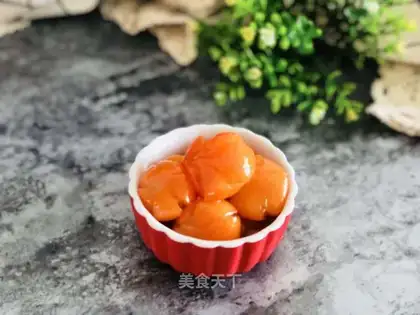 Sugar orange"
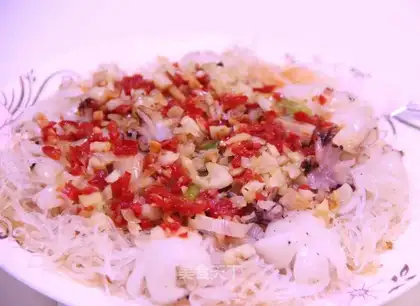 Piper-cracker"
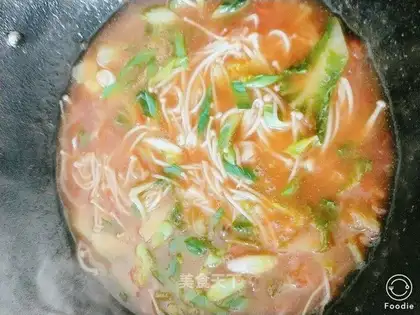 Tomatoes, golden mushrooms"
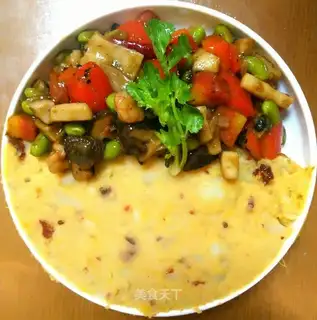 Curry seameat mashed"
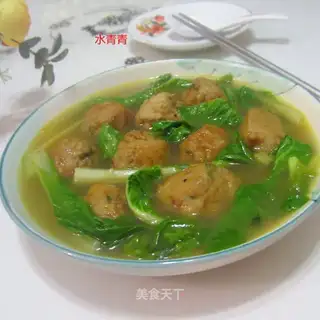 Plumball soup"
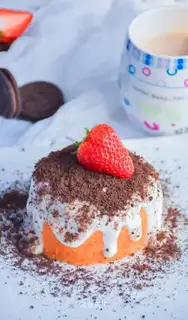 Olio yogurt"
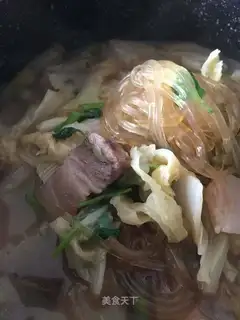 Pork sauerkraut"
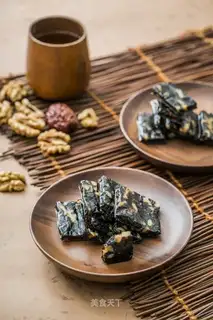 Guan Won Ace-O"
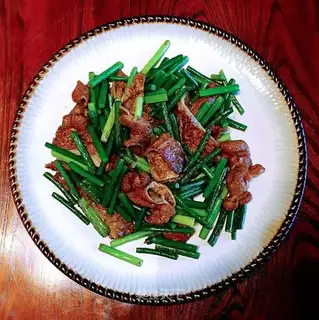 Garlic intestines"
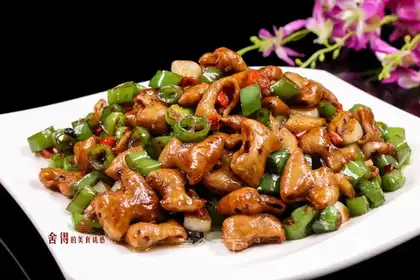 Pyramid"
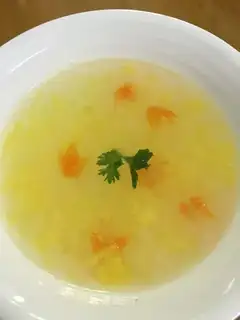 Pineapple tonic"
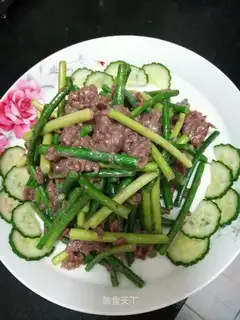 Garlic beef"
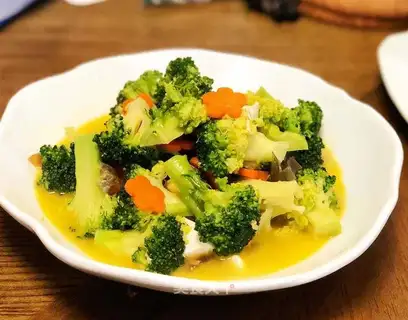 Tonic orchid"
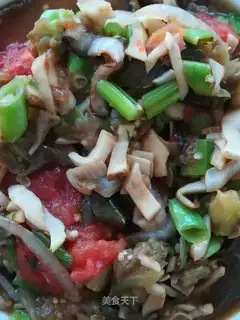 Vegetable and eggplant"
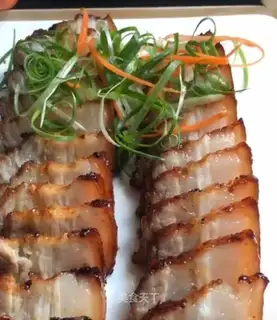 Bottle pork"
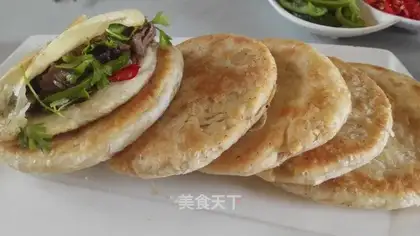 Donkey fire"
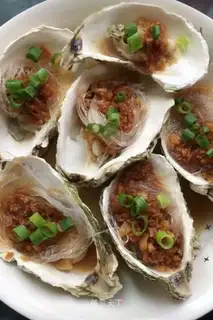 Garlic fan steams"
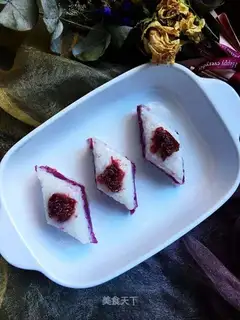 Rose-crackers"
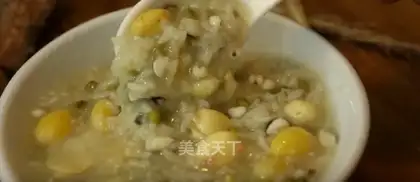 I'm sorry"
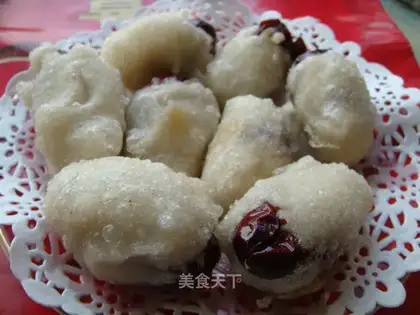 Fried date"
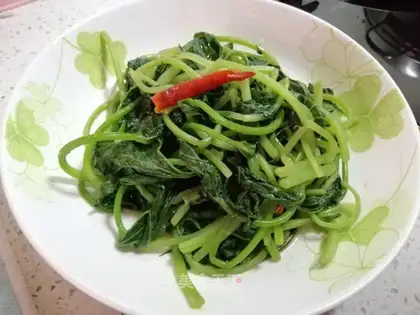 Maple leaves"
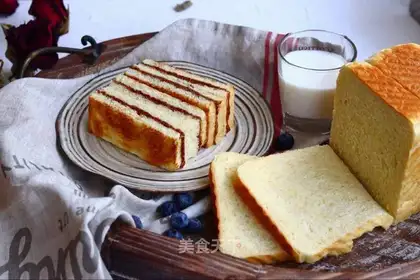 Orange Gunache sandwich"
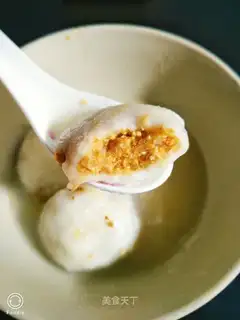 Peanut night"
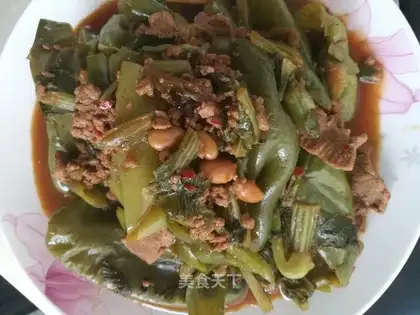 Little cabbage chili"
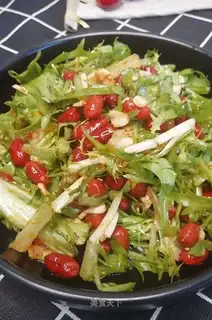 It's cool"
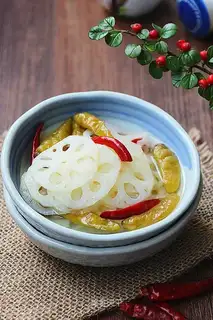 Piper pepper"
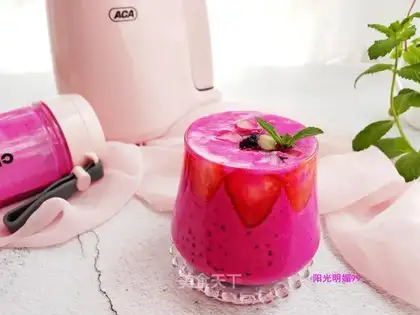 ♪ Pink lady pearls ♪"
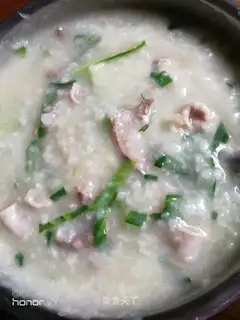 Porridge"
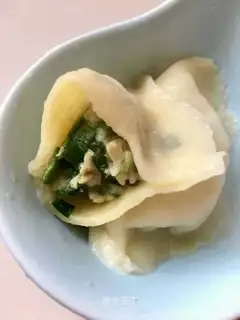 Bedding dumplings for the cabbage fan"
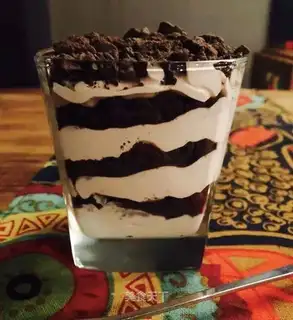 Chocolate cake"
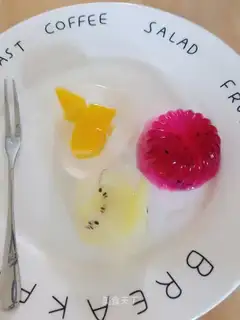 Homemade Jelly"
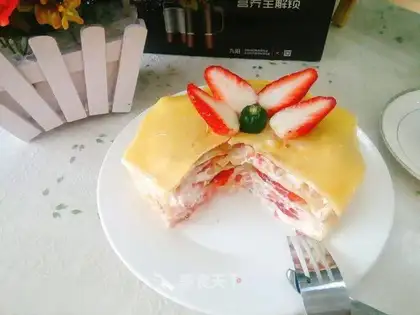 A thousand-storey cake"
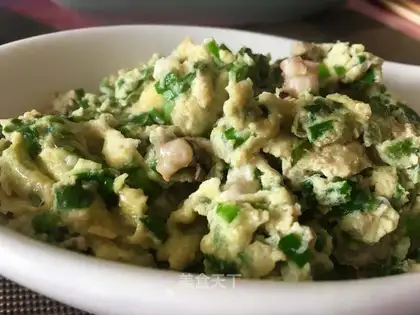 Scrambled eggs"
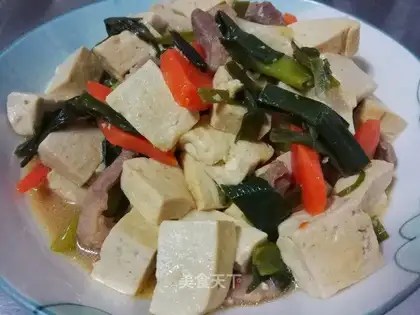 Garlic tasting tofu"
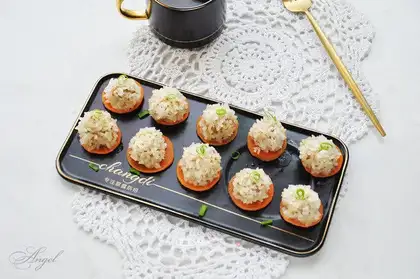 Plumballs"
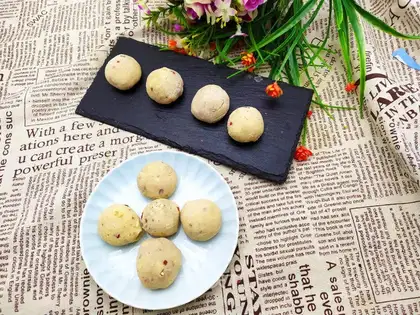 Spud"
Spud"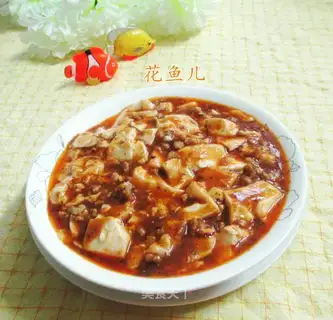 Tofu"
Tofu"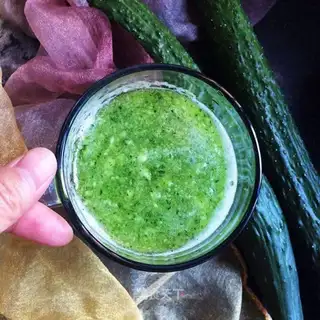 Honey cucumber juice"
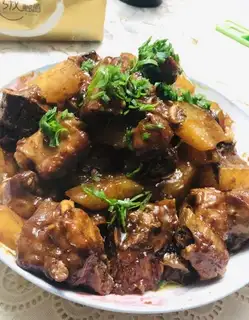 Sugar radish ribs"
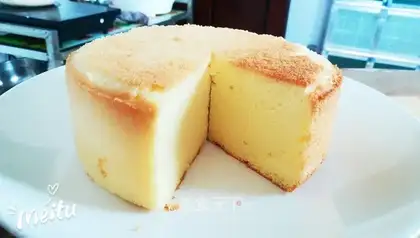 Eight inches of windcake"
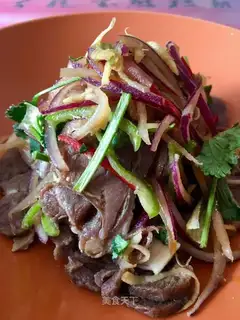 Pickles with lamb"
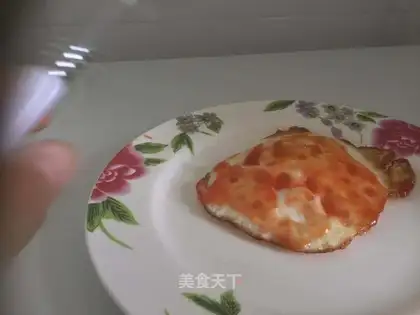 Fried eggs"
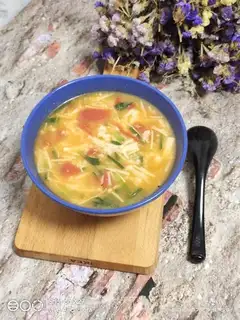 Gold needles, mushroom soup"
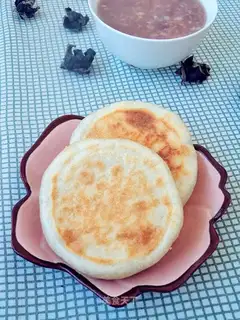 Mocked apricot pie"
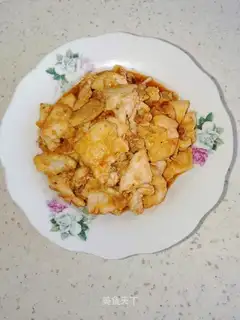 Sweet chicken"
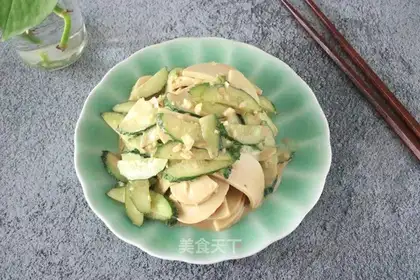 A cucumber chicken"
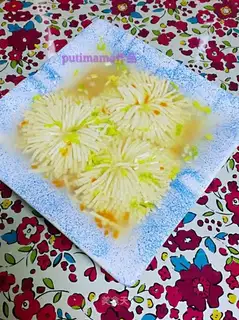 Vince Tofu"
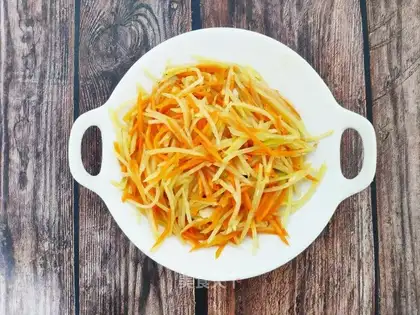 Double silk"
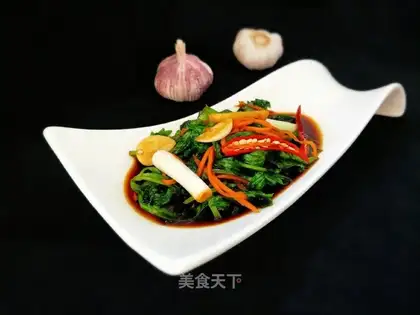 Celery leaves"
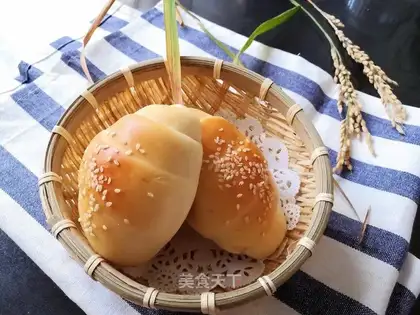 Bean-salary rolls"
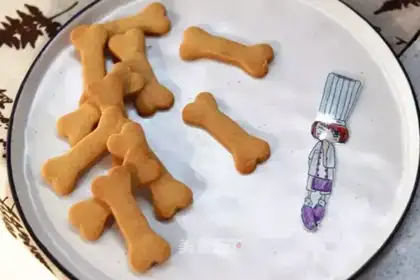 Bones"
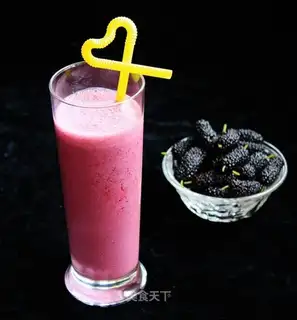 Sango shake"
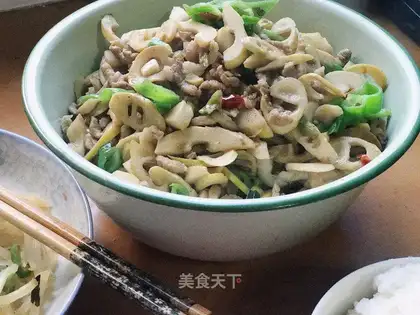 ♪ The oily spring ♪"
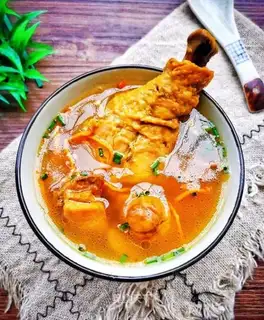 Crumbs and weed chicken soup"
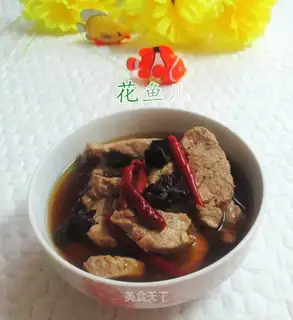 It's halogen"
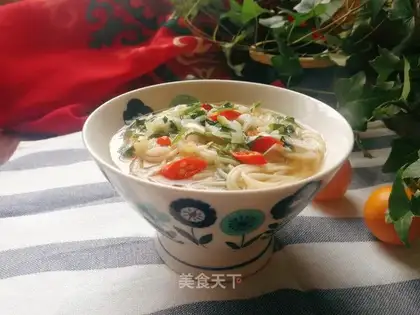 Shrimp sour noodles"
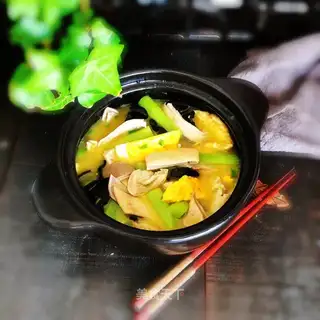 Sour belly"
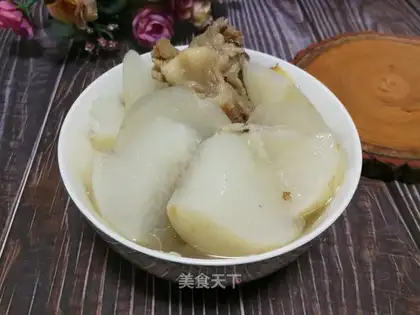 The radish soup"
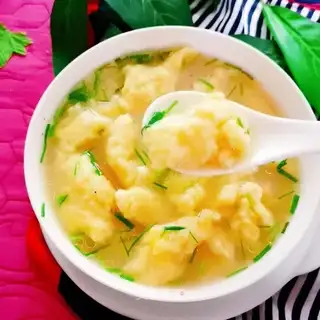 Egg bumps"
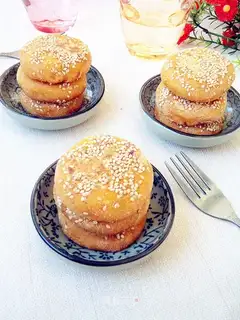 Pumpkin pheasants"
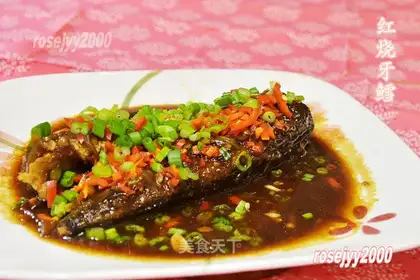 Red tooth cod"
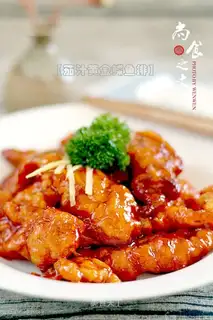 A gold custard chop of eggplant juice"
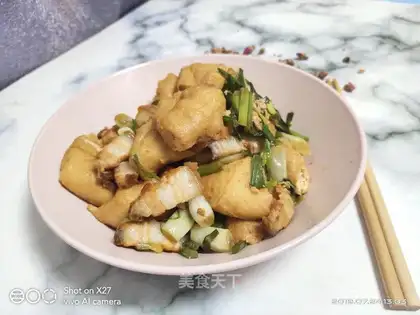 No, no, no"
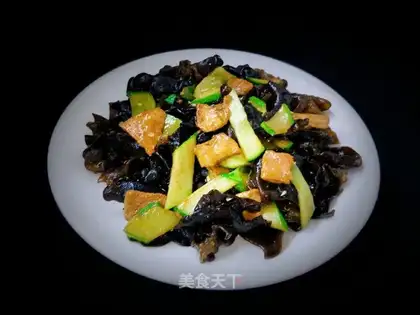 cucumbers"
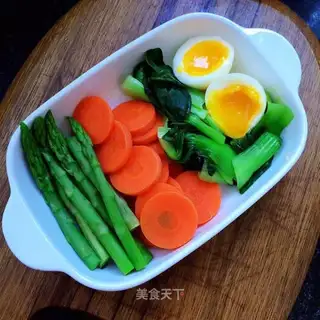 Cold Disk"
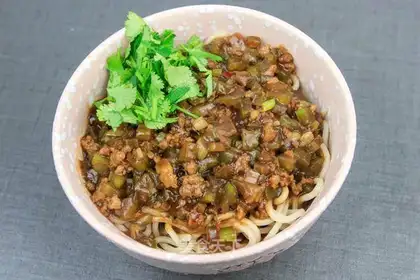 Fried noodles"
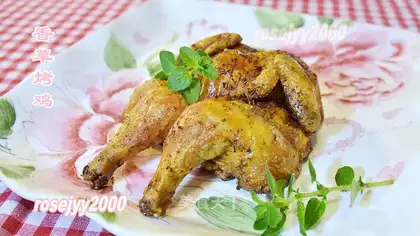 Vanilla chicken"
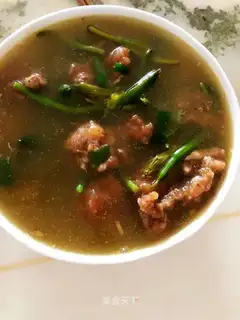 Slut soup"
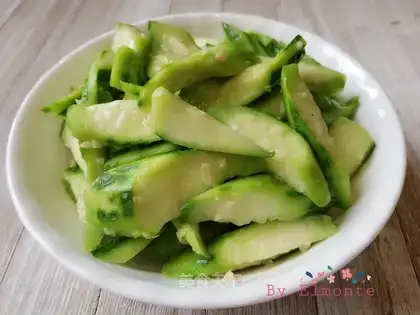 Scorch"
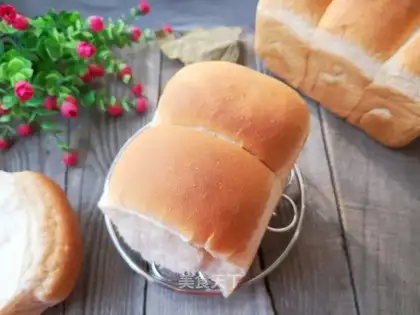 Old toast"
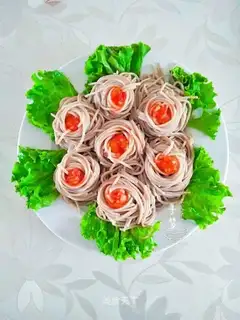 It's cold"
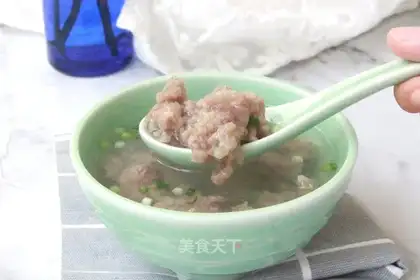 The guest beef"
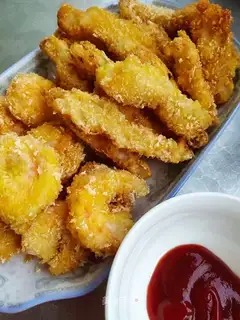 The dragonfish shrimp"
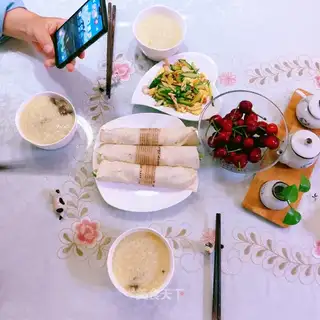 ♪ Sea cucumber, rice omelet rolls ♪"
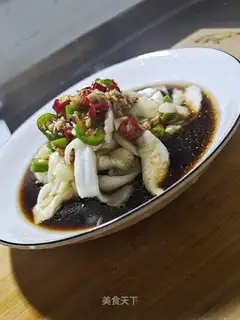 Garlic mackerel"
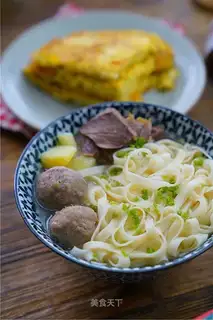 Beefball noodles"
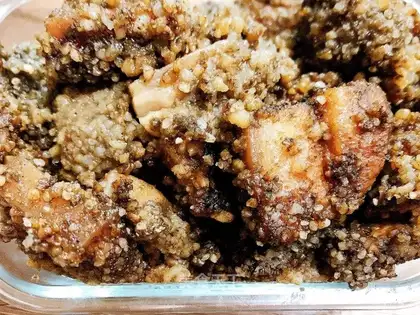 Dust"
Dust"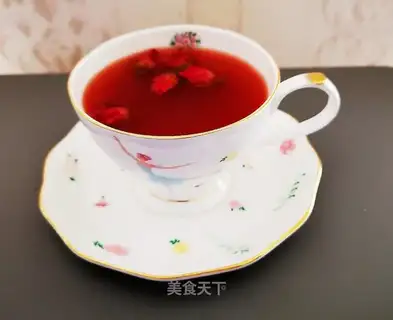 The roses are good"
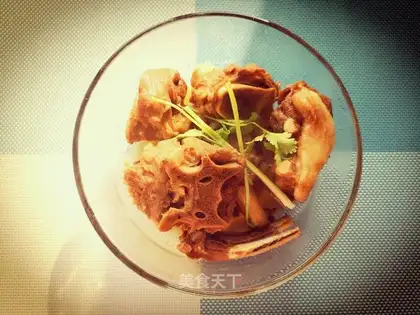 Secret scorpion"
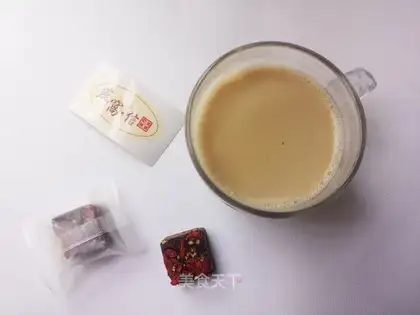 Red dates, red bean syrup"
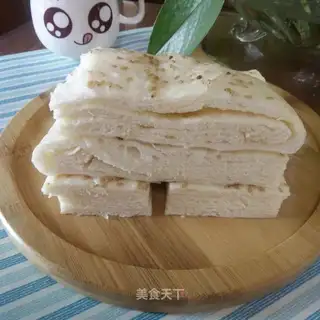 Steam lasagna"
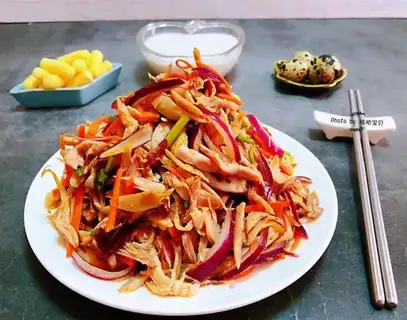 Frozen silk"
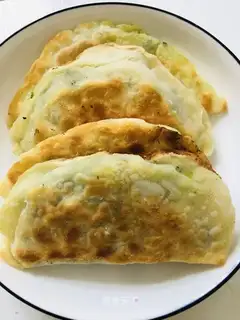 A pickle box"
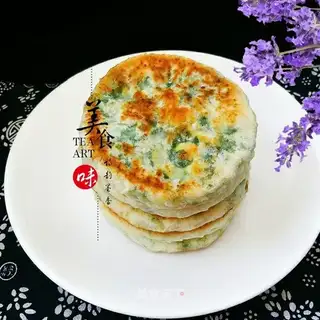 Snack pie"
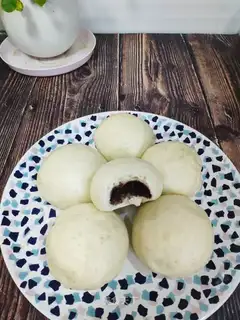 Bean bag"
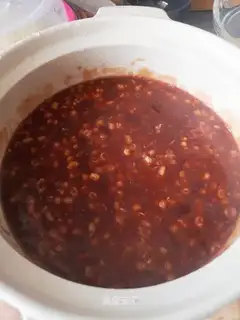 Northeast porridge"
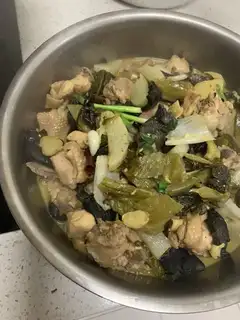 Yogurt"
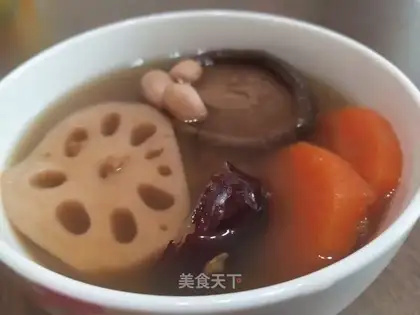 Carrot mushroom date soup"
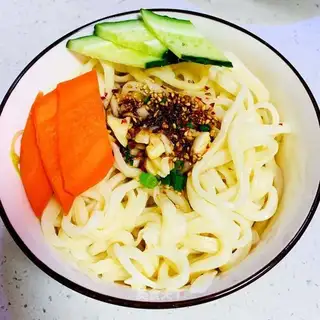 Oily stick noodles"
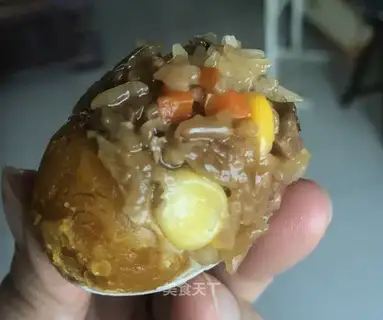 Rice eggs"
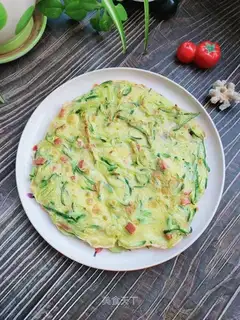 cucumber eggcake"
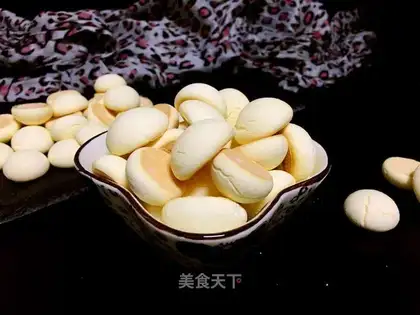 It's the way it's supposed to be"
 Banana shake"
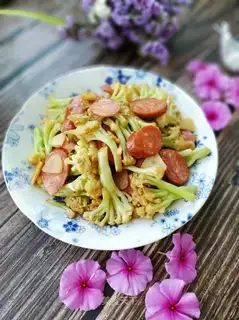 Scrambled ham sausage"
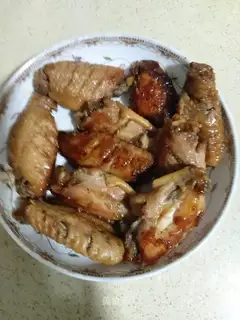 I'll cook chicken wings"
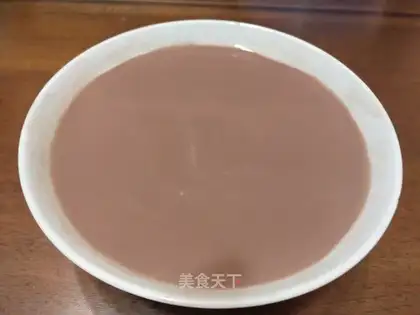 Red Bean Lotus"
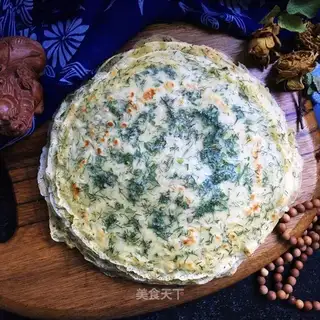 Pancakes"
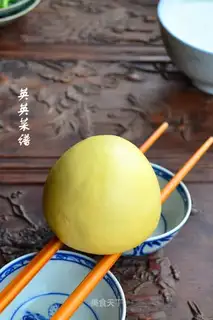 Handmade corn flour"
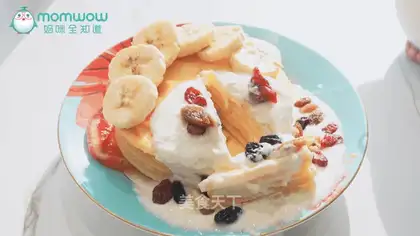 French muffins"