A humble spice bag, often overlooked, holds more than just dried leaves and seeds—it’s a vessel of history, culture, and sensory magic. At first glance, it might seem like a simple mix of basil, oregano, or bay leaves, but each ingredient tells a story.
Take, for example, the warm, earthy notes of cumin, tracing back to ancient Egyptian markets, or the floral hint of lavender, once used in Roman baths to calm the mind. These spices are not merely flavor enhancers; they are time capsules, carrying traditions passed down through generations. In a Moroccan tagine, ras el hanout blends cinnamon, cardamom, and cloves, evoking the bustling souks of Marrakech, while an Indian garam masala, with its fiery cumin and coriander, whispers tales of Mughal emperors and festive feasts.
Beyond flavor, spice bags hold health secrets. Turmeric, golden and pungent, contains curcumin, a compound with anti-inflammatory properties, while ginger aids digestion in traditional Chinese medicine. Even their aroma is therapeutic—the scent of rosemary, for instance, is said to boost memory, filling a kitchen with comfort and clarity.
Ultimately, a spice bag is a treasure trove of human ingenuity. It transforms ordinary ingredients into extraordinary meals, connects us to distant lands, and reminds us that the smallest things often hold the greatest wonders. So next time you reach for one, remember: you’re not just cooking—you’re unfolding a world of secrets.
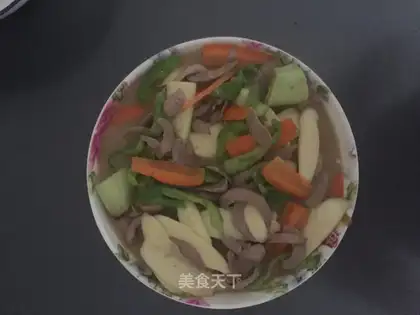 Fried loins"
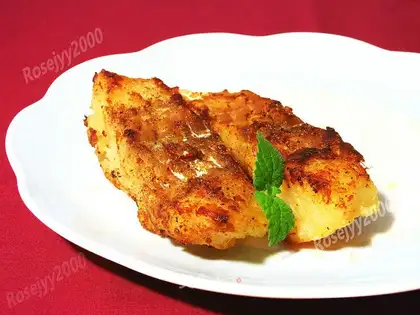 Fried cod"
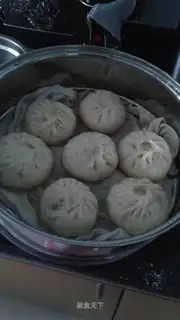 Carrot"
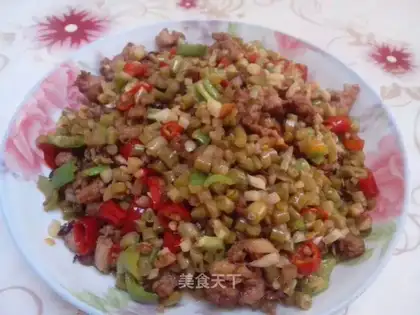 Sourbeans"
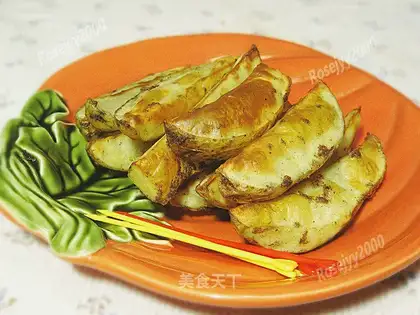 Five fries"
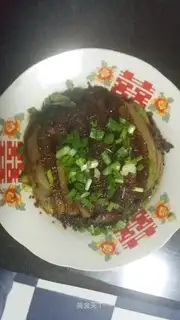 Homemade meat"
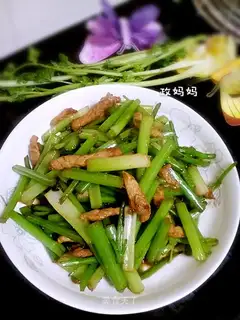 Spam celery"
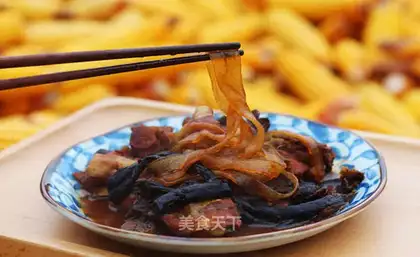 Chicken stew mushrooms"
 Hot noodles"
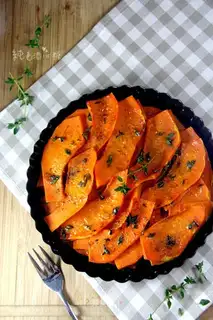 Pumpkin"
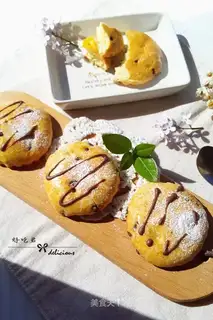 Chocolate scooter"
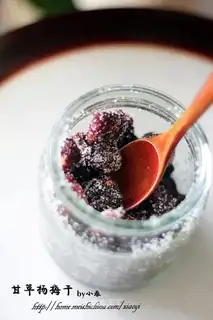 Glycerine"
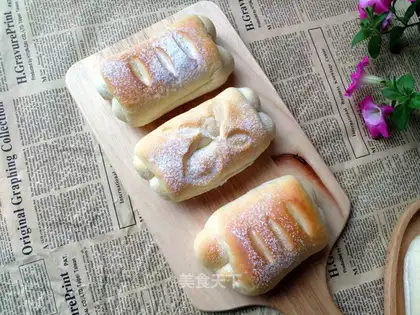 Milk rolls"
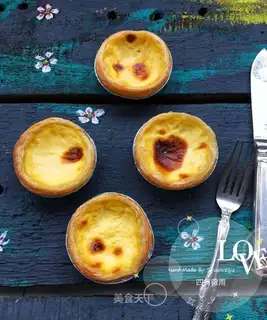 Porpoise"
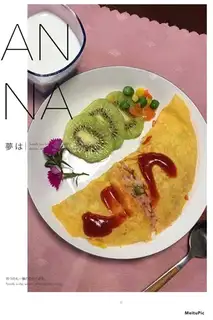 I'll have some eggs"
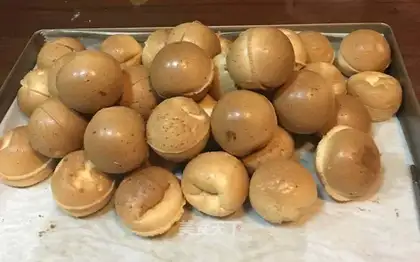 Ballcake"
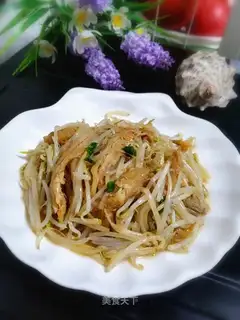 Pinetail sprouts"
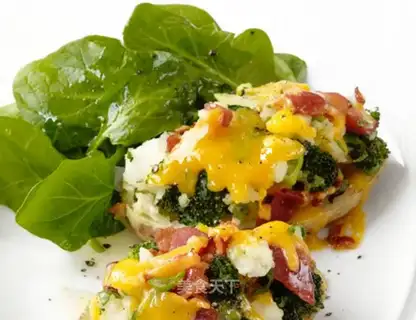 Cheese potatoes, broccoli"
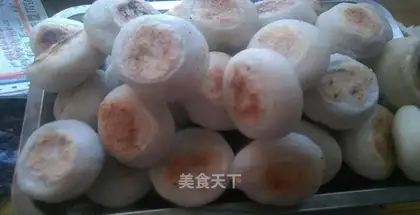 Korean sticky spoon"
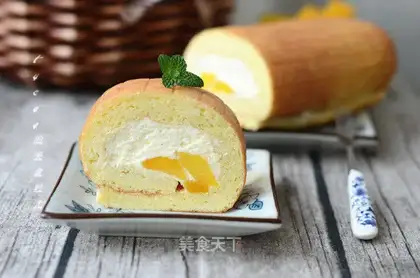 Mango cake rolls"
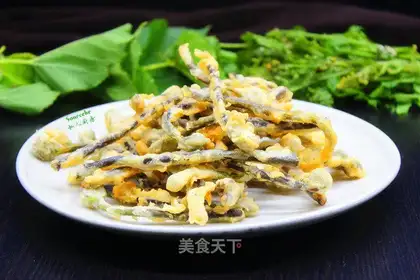 Fries"
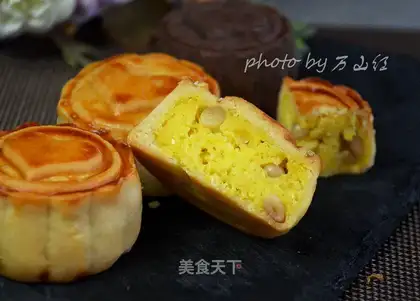 Pine tacos"
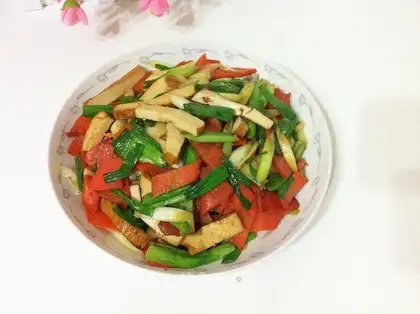 ♪ Garlic and carrots ♪"
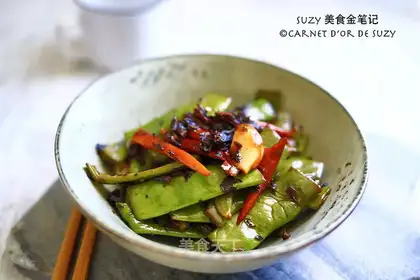 ♪ Plumsy peppers dry beans ♪"
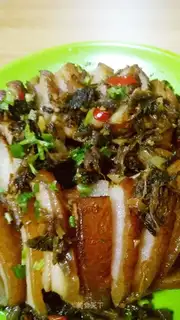 Plum chow"
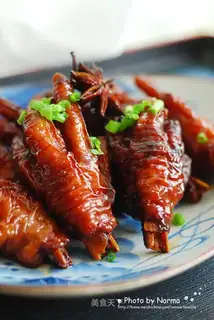 A tiger's claw"
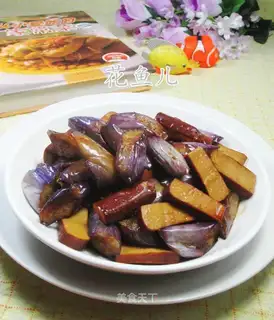 Eggs and cheese"
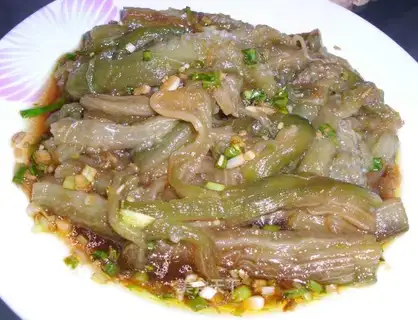 pickled eggplant"
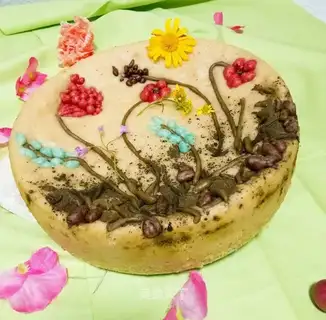 Corncake"
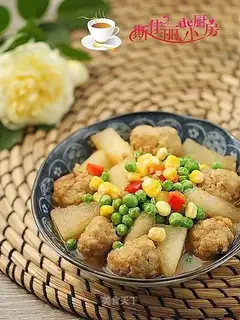 Potatoballs"
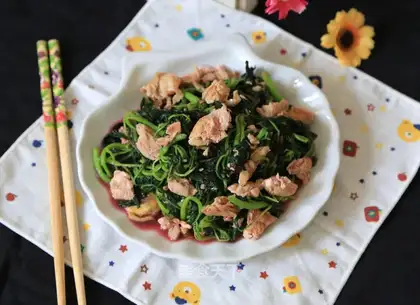 Scrambled eggs"
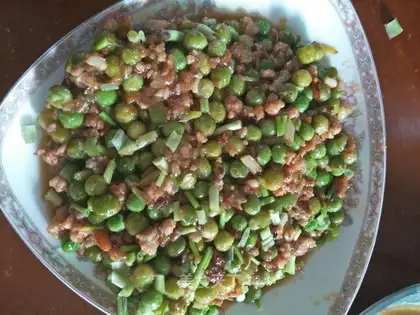 Rotten green beans"
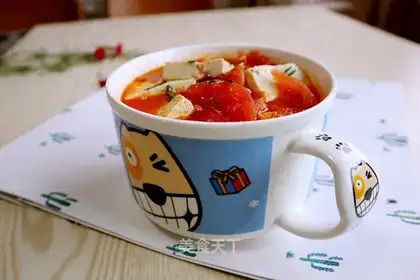 Tomato tofu soup"
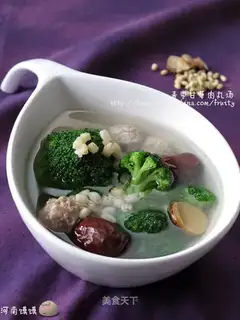 Wheat dates and licorice meatball soup"
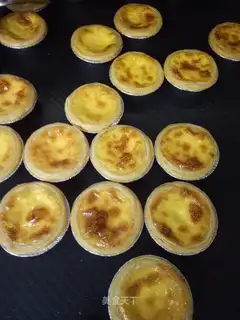 Eggstick"
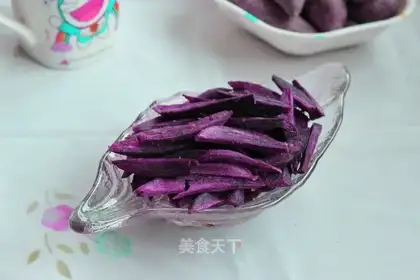 Roasted fries"
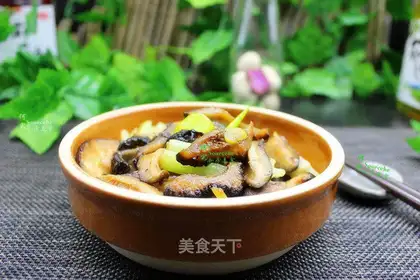 It's sour"
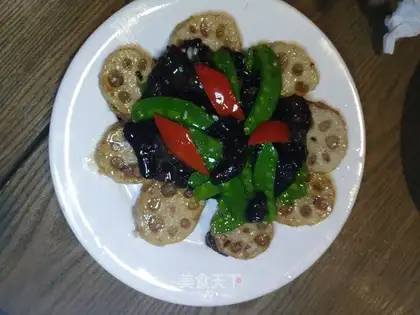 It's a home-made trap"
 Roast the pheasant"
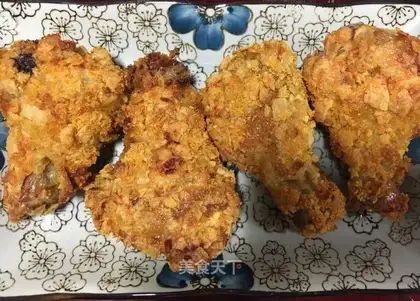 Cricket roasted chicken legs"
 The red flamingo"
 And roasted lamb"
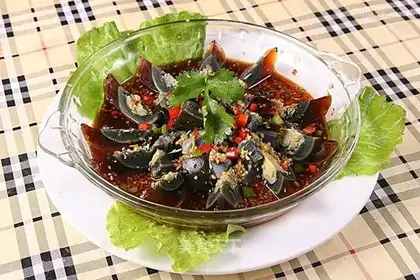 Spicy sauce, cold eggs"
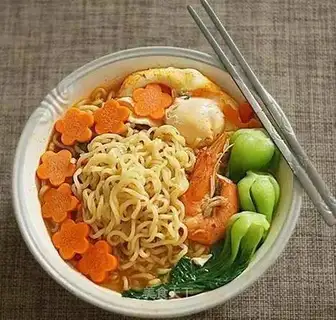 Cook noodles"
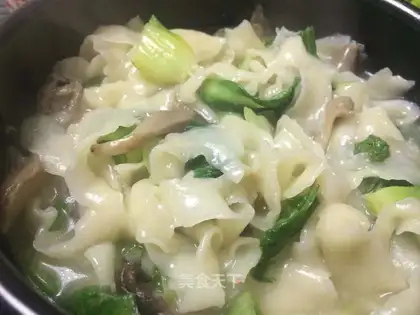 Chicken noodle"
 Original cookies"
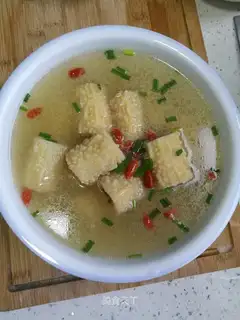 Bitter melon soup"
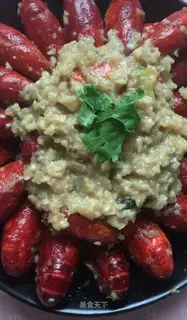 Garlic lobster"
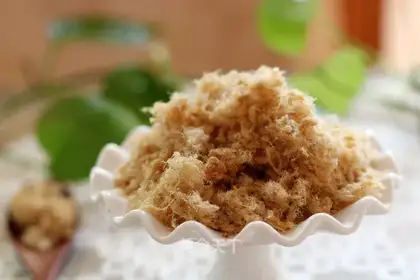 Homemade meat muffin"
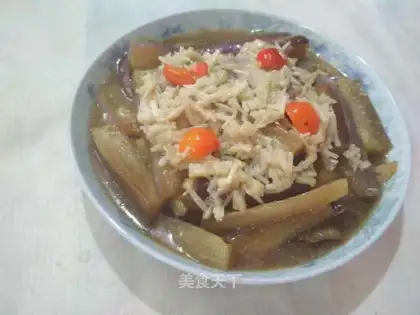 Golden pins and mushrooms"
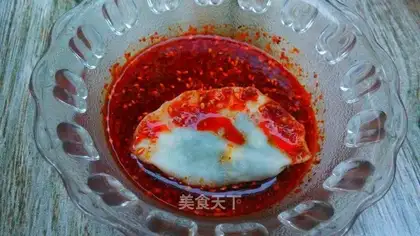 Red greasy dumplings"
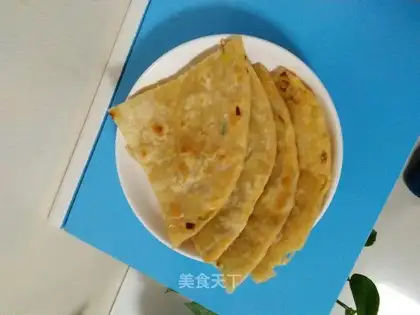 Onion butter cake"
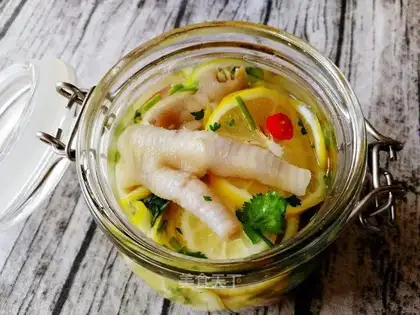 Lemon chicken claws"
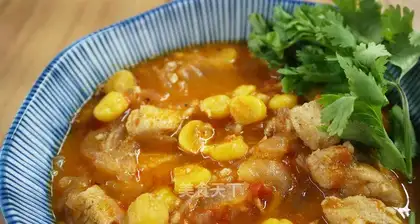 Tomatoes are greasy"
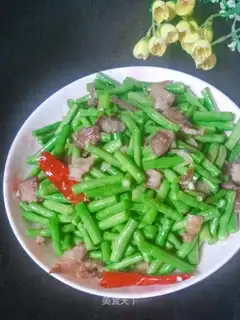 The bean horn"
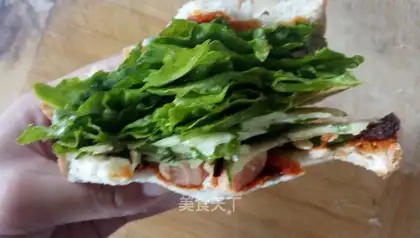 Chongqing sandwich"
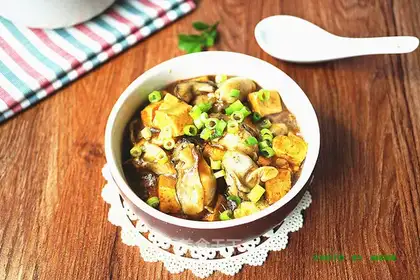 Sea storks burn tofu"
 Fruit pearls"
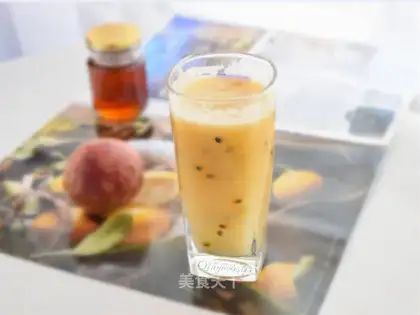 Porridge juice"
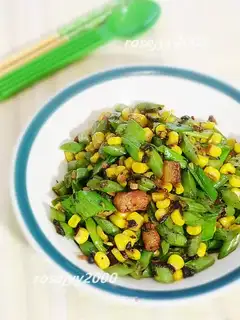 Pork neck, corn and beans"
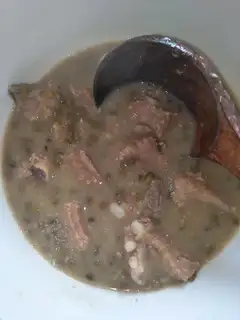 Bone green bean soup"
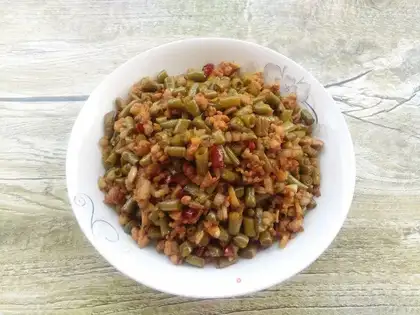 Potato beans"
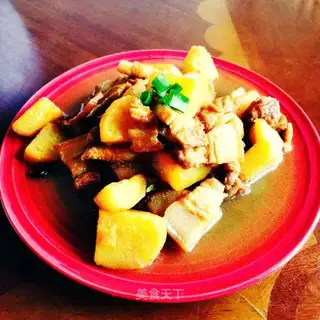 Potato meat"
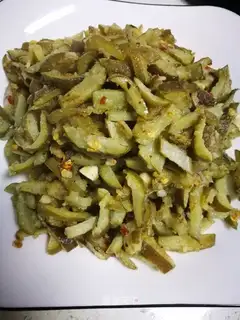 Tiger bean skin"
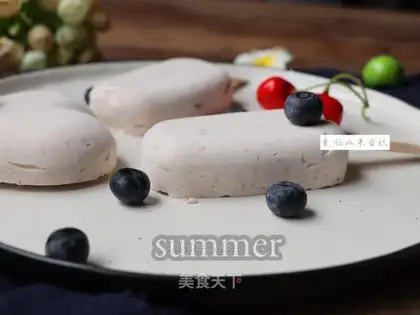 Wheat fruit ice cream"
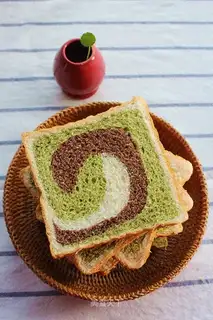 Three-colour toast from Hokkaido"
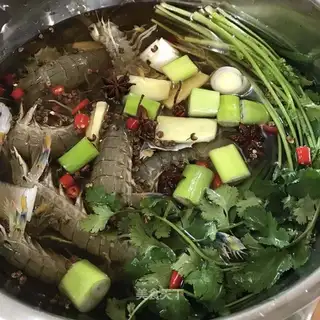 Shrimp halogen"
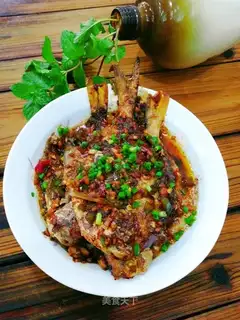 Spicy little minnow"
 Christmas strawberry cake"
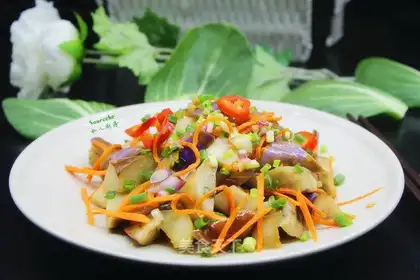 It's a lot of cheese"
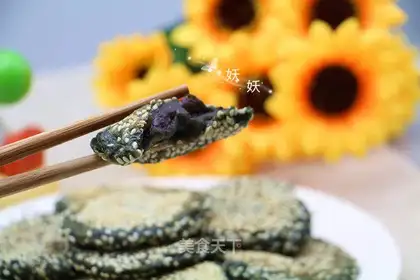 Alebes"
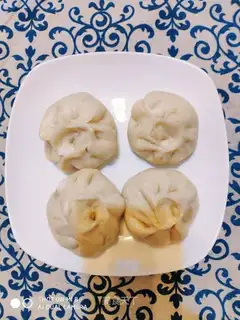 Bean buns"
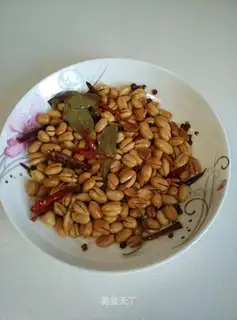 Drunk peanut rice"
 Weasel buns"
 Dog donuts"
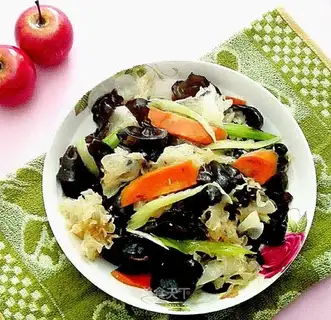 Double-ear"
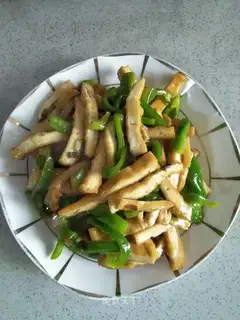 Pyramid"
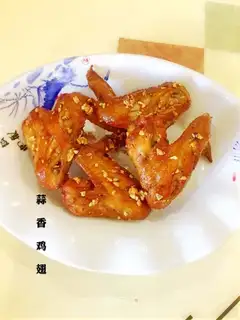 Garlic chicken wings"
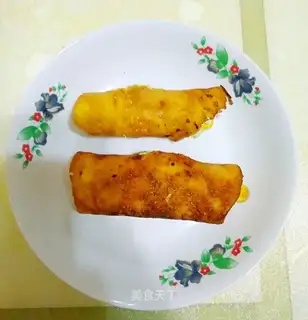 Egg bun"
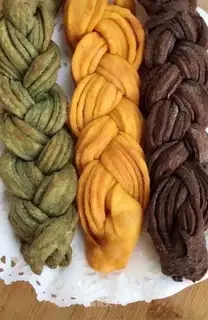 Taste a thousand-storey plumes"
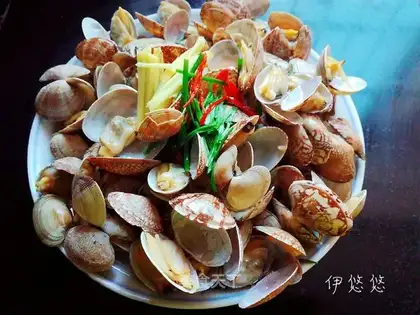 Vacuum armor"
 "Red dates and soybeans.""
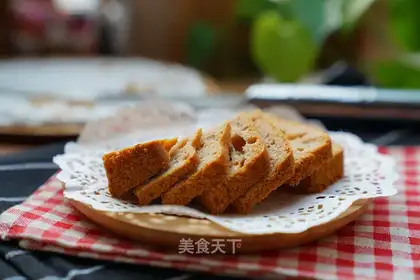 Strawberry. Brownie"
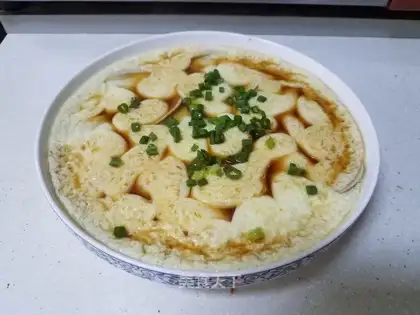 Slurping eggs"
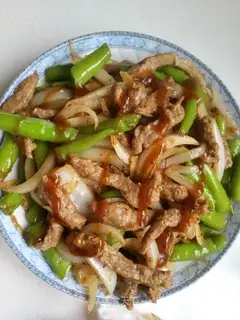 Pepper willows"
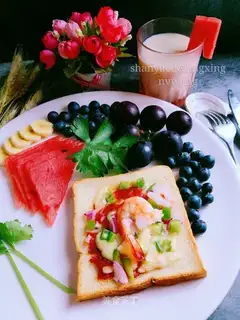 Shrimp bread pizza"
 Mini-Hara"
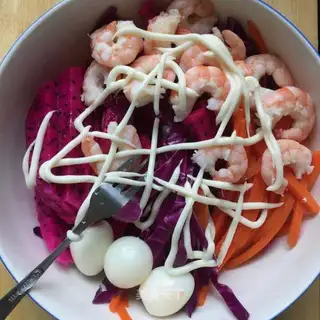 Vegetable shrimp salad"
 Ice melon juice"
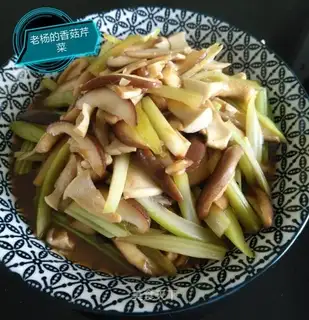 Fried celery"
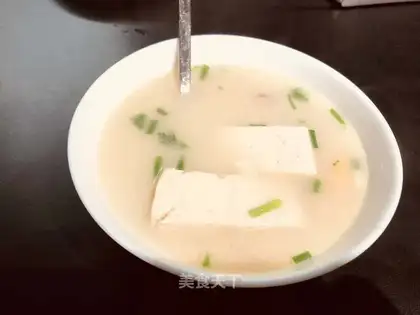 Tofu soup"
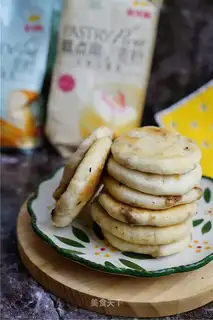 Fresh squid pie"
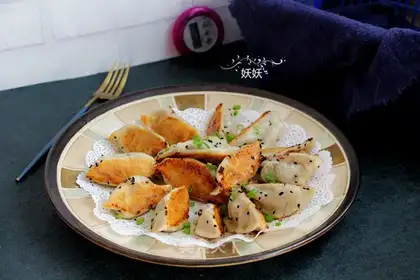 Fried beef dumplings"
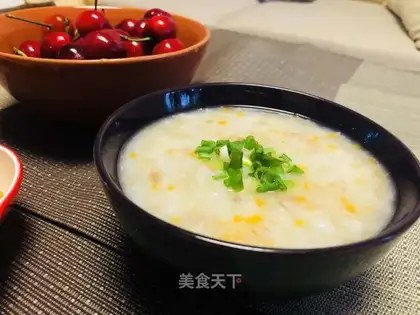 Carrot beef congee"
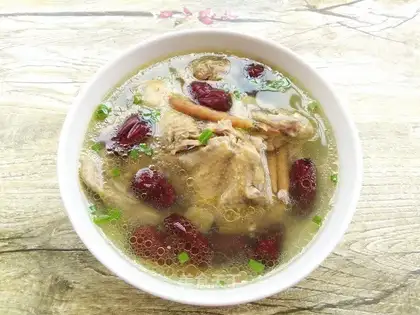 ♪ Steaming Princes of Red-tree Dove soup ♪"
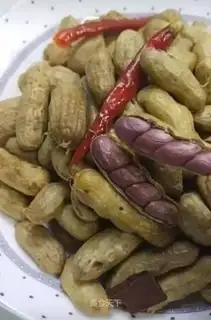 Smoky peanuts"